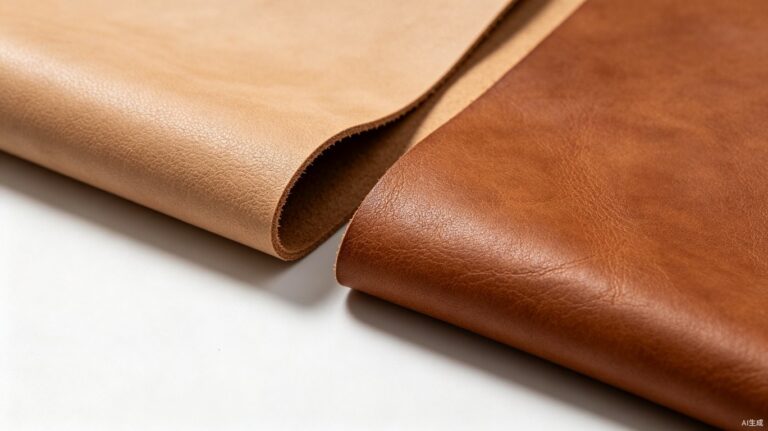
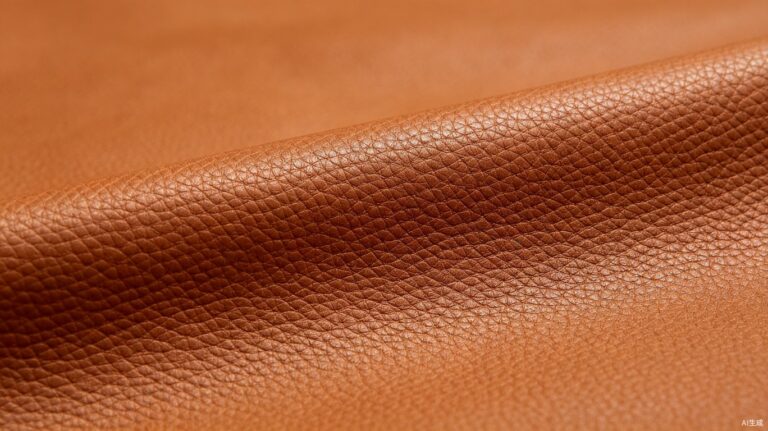
Is vegan leather real leather? The short answer: no. Vegan leather is real leather in the same way that a photograph of a steak is a steak — it looks like the thing, but it’s made of something else entirely. The term “vegan leather” is a marketing label, not a material specification. It tells you what the material isn’t (animal-derived) but not what it is. For B2B buyers, this ambiguity creates real risk: a product specified as “vegan leather” could be polyurethane on polyester, PVC on cotton, mushroom mycelium with a plastic binder, or silicone on fabric — each with vastly different performance, compliance, and lifespan profiles.
| Material | Animal Hide | Base Material | Lifespan | Biodegradable |
|---|---|---|---|---|
| Real leather (full-grain) | Yes | Animal hide | 20–30+ years | Yes (veg-tanned) |
| PU vegan leather | No | Polyurethane on fabric | 2–5 years | No |
| PVC vegan leather | No | Polyvinyl chloride | 2–3 years | No |
| Plant-based vegan leather | No | Plant fibers + plastic binder | 2–5 years | Partially |
| Silicone leather | No | Silicone polymer on fabric | 10+ years | Yes (recyclable) |
Request Material Composition Sheets
Vegan Leather Is Real Leather? The Definition Gap
The question “vegan leather is real leather?” persists because the term deliberately blurs material and marketing. Real leather comes from animal hides processed through tanning — a fibrous collagen material that breathes, ages, and develops patina. Leather Naturally’s FAQ defines it precisely: “a natural, organic material made from processed hides and skins of animals.” Vegan leather, by contrast, is any material that imitates leather’s appearance without using animal products. The definition of vegan leather covers everything from petroleum-based plastics to plant-fiber composites — materials with nothing in common except that they aren’t leather.

Silicone leather swatches — an animal-free material that performs closer to real leather than PU or PVC
In our material lab, we’ve cross-sectioned dozens of “vegan leather” samples labeled as real leather by suppliers. The majority turned out to be PU-coated fabric with zero animal hide content. The labeling gap isn’t accidental — “vegan leather” sells better than “polyurethane-coated polyester,” and current regulations in most markets don’t require disclosure of the base polymer on the product label.
Why “Vegan Leather Is Real Leather” Misleads B2B Buyers
The performance difference between vegan leather and real leather isn’t marginal — it’s structural. Real leather’s collagen fiber network distributes stress across the entire material. PU and PVC vegan leather rely on a surface coating bonded to a fabric backing, and that bond is the failure point. We’ve tested PU vegan leather samples that showed surface cracking after 18 months of accelerated UV exposure (ASTM G154), while real leather in identical conditions showed conditioning-responsive surface drying — preventable, not catastrophic.

Raw materials display — silicone leather’s composition is transparent, unlike the broad “vegan leather” label
For B2B specifications, the eco-friendly silicone leather alternative bridges this gap: it’s animal-free like vegan leather, but its 200,000+ Martindale cycles, 10+ year lifespan, and inherent UV/hydrolysis resistance put it in the performance tier of real leather, not the 2–5 year replacement tier of PU/PVC vegan leather. The vegan leather material landscape is not monolithic — the base polymer determines everything.
What “Vegan” Actually Means for Sustainability
“Vegan” means no animal products. It does not mean biodegradable, recyclable, low-carbon, or non-toxic. Over 90% of vegan leather on the market is PU or PVC — petroleum-based plastics that shed microplastics, emit VOCs during manufacturing, and sit in landfills for centuries. Plant-based alternatives like cactus or mushroom leather sound better, but most still incorporate plastic binders for durability. The only vegan leather that is both animal-free and genuinely sustainable is silicone leather: specified across fashion and sports applications for its near-zero VOC process, 100% recyclability, and 10+ year service life.

Vegan leather durability testing — most PU/PVC grades show visible wear within 3 years, real leather ages with character
Before specifying “vegan leather” in a B2B context, verify these action items:
- Request material composition documentation — the base polymer (PU, PVC, plant-based, or silicone) determines performance, not the “vegan” label
- Demand Martindale and hydrolysis test data — if the supplier can’t provide ISO 12947-2 and ISO 11507 results, assume worst-case lifespan
- Verify biodegradability claims with certification, not marketing copy — most “biodegradable” vegan leather requires industrial composting and still leaves plastic residue
- Check VOC emission test results (ISO 16000-6 or VDA 277) — PU and PVC vegan leather emit solvents and plasticizers; silicone leather tests at zero
- Specify silicone leather for 10+ year applications — it’s the only animal-free material that matches real leather’s durability without the ethical and environmental trade-offs
The answer to “vegan leather is real leather?” is permanently no — but the answer to “can a vegan leather perform like real leather?” is yes, if the base material is silicone.
About TOPSUN
TOPSUN manufactures silicone leather that delivers real-leather durability without animal-derived materials for fashion, automotive, furniture, and consumer electronics applications.
Near-zero VOC solvent-free process · FDA 21 CFR 177.2600 food-contact compliant · ISO 10993-5 biocompatibility certified · 100% recyclable