What does a hospital waiting-room chair have in common with a car seat? Almost nothing on the surface. Yet both sit inside the same textile field, and both get judged by numbers most buyers never read. Which of those numbers actually decides whether a fabric survives its application?
I inspect coated textiles for a living, and the same roll can pass automotive scrutiny, exceed healthcare requirements, and fail marine expectations without changing how it looks. That is the core fact about the textile field. It is not one market with one standard. It is a map of environments, and each environment bends the spec sheet differently. The table below shows where the paths diverge.
| Application Field | Headline Spec on the Sheet | What It Actually Proves | Where Fabric Fails First |
|---|---|---|---|
| Automotive interiors | FMVSS 302 burn rate + Martindale 100,000+ | Cabin escape time, then seat lifespan | Seam edges under UV and flex load |
| Healthcare | Disinfectant resistance + color fastness 4-5 | Survival of quaternary ammonium wipes | Stress points after chemical cleaning |
| Contract furniture | Martindale 40,000+ heavy duty | Panel wear in turn-over seating | Piping and front edge, not the center |
| Marine and outdoor | UV 1,500 h + salt spray 1,000 h | Season-proof flexibility after aging | Hydrolysis at fold lines |

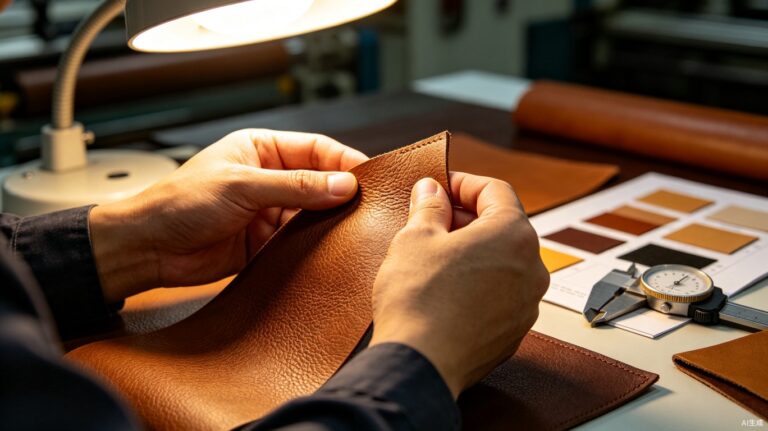
Every field eventually runs its fabric through machines like this one.
One Market Label, Many Different Textile Fields
Market reports rarely agree on the size of the technical textile field. Fortune Business Insights values it at USD 252.81 billion in 2025. The firm projects USD 426.71 billion by 2034, a 6% CAGR. Grand View Research starts from a smaller base of USD 215.6 billion. Its 2033 forecast lands at USD 315.8 billion, a 4.9% CAGR.
The two houses disagree by roughly USD 37 billion on the starting point. Both still point the same way. Demand for performance fabrics keeps expanding across mobility, healthcare, construction, and industry. For a buyer, the exact figure matters less than the pattern behind it. More applications now specify fabric behavior instead of fabric appearance.
Mobility: The Cabin Test Stack
No field stacks tests like a car cabin. Federal Motor Vehicle Safety Standard 302 caps the horizontal burn rate of interior materials at 102 mm per minute. A fabric that fails it never reaches a seat, no matter how well it wears.
Cabin air adds its own gate. Volatile organic compound limits now sit on the spec sheet of every tier-one program I quote. Cold flex matters too. A seat cover that cracks at minus 40 degrees Celsius will generate warranty claims long before the abrasion counter gets a vote. Our production line is specified down to that temperature, and the bending rig checks every batch against it.
Abrasion closes the stack. Seat fabric programs I have reviewed rarely start below 100,000 Martindale cycles, and premium programs push past 200,000. The number is not decoration. It predicts when the driver-side bolster shows wear, and fleet buyers read it that way.
Watch how quality control catches what a swatch cannot show.
Request Field-Matched Test Reports
Healthcare: Cleanability Outranks Hand Feel
Healthcare upholstery answers a different question. The fabric must survive disinfection, not just use. Quaternary ammonium wipes, bleach solutions, and alcohol-based cleaners attack the plasticizers inside conventional PU. The surface holds its color for a season, then micro-cracks open along the stress points where cleaning crews scrub hardest.
That is why the color fastness floor sits at 4-5 on the gray scale for the medical programs I review. Stain release gets graded the same way, on a five-point scale. A grade 5 rating means the wipe carries the dirt away, not the fabric. Specifiers sourcing for clinics usually arrive with a cleaning-chemical list before they ask about texture. That order is correct.
The thresholds for this field keep tightening as infection-control rules spread. Our medical and healthcare upholstery programs page collects the current requirements in one place, from barrier performance to wipe durability.
Contract Furniture: The Abrasion Ladder
A living room sofa lives on 10,000 to 15,000 Martindale cycles. A hotel lobby asks for 20,000 to 30,000. Heavy-duty contract seating starts at 40,000. The ladder itself is public knowledge. What surprises buyers is where fabric actually gives up first: piping, seams, and the front edge where knees push during every sit-down.
A restaurant group we supply learned this on their own floor. Their first booth fabric cleared the abrasion number on paper, yet failed at the piping within a year. The rebuild moved the seam allowance and switched the edge material. Abrasion ratings had described the middle of the panel. The edges told the real story.

Contract seating fails at the edges long before the panel wears through.
Marine and Outdoor: Hydrolysis Ends Fabric Careers
Salt, sun, and standing moisture make the outdoor fields the least forgiving. Accelerated hydrolysis aging runs at 85 degrees Celsius and 85% relative humidity for 14 weeks to compress years of service into a quarter. Salt spray chambers push past 1,000 hours under ASTM B117. UV weathering targets 1,500 hours before color and surface checks even begin.
Hydrolysis is the quiet killer. Polyester-based PU absorbs moisture, and its ester bonds break from the inside out. The panel looks fine in the showroom, then stiffens within a few seasons on a boat. Silicone carries no hydrolysable bonds in its backbone, which is why our hydrolysis-resistant silicone leather page opens with aging chamber results rather than color cards.

Humidity and heat are test parameters, not background conditions.

Fourteen weeks at 85°C and 85% humidity stands in for years on the water.
One Number, Two Verdicts: Why Test Conditions Rewrite Results
The same Martindale figure can hide two different realities. Results shift with the abrasive medium, the applied weight, and the end point a lab chooses to count. A 40,000 cycle rating measured on wool abrasives does not equal 40,000 cycles measured on standard wire mesh. Buyers who quote bare numbers across supplier lineups compare apples with laboratory setups.
The same logic applies to weathering. A UV hour is not a standard unit until the lamp spectrum, the irradiance, and the cycle profile are pinned down. This is why our reports travel with the method column filled in, and why third-party SGS certificates ride along with every order. The number earns trust only when the conditions ride with it.
Production context matters too. Rolls leave our line at 1,350 to 1,400 mm width with coating thickness options from 0.23 to 3.0 mm, so the same chemistry can be tuned for a light door panel or a heavy marine deck. Monthly capacity above 500,000 meters keeps those proven specs consistent across pallets, not just one certified sample. The field sets the target. The production window makes hitting it repeatable.
Reading the Field Before You Write a Spec
Three questions sort any textile field inquiry. First, which environment attacks the fabric: heat, moisture, chemicals, or abrasion? Second, which chamber test mimics that attack? Third, what number counts as a pass in that specific application? Walk the sequence in order, and most spec-sheet confusion disappears.
Buyers who start at step three usually end up buying twice. The ones who start at step one write specs that survive contact with the real world. Our application field overview groups current programs by environment, so the first question can be answered before the first sample ships.
The Textile Field Sets the Test Before It Sets the Price
Neither the largest market figure nor the softest hand decides a fabric’s fate. The textile field sets the test first, and the test sets the fabric. A seat clears FMVSS 302 before it earns a Martindale figure. A clinic chair survives quaternary ammonium wipes before it earns a texture review. Read the field, demand the matching report, and the price conversation becomes a short one.
About TOPSUN
TOPSUN manufactures silicone-coated textiles for automotive, healthcare, furniture, and marine programs, and every order ships with SGS test reports attached. Our in-house laboratory runs Martindale, hydrolysis, salt spray, and UV aging on production batches before any roll is released.
Frequently Asked Questions
What does the textile field cover?
In industrial use, it covers every application where fabric is engineered for performance rather than appearance alone: mobility, healthcare, contract furniture, marine, protective wear, geotextiles, and filtration. The common thread is a written test, not a mood board.
Which application field has the strictest requirements?
No single field wins. Automotive sets the widest test stack, healthcare sets the harshest chemical exposure, and marine sets the slowest failure mode in hydrolysis. Strictness depends on which failure you fear most.
Can one fabric serve several textile fields?
Yes, when its data clears every relevant gate. A silicone-coated fabric rated for minus 40 degree flex, disinfectant wipe-down, and UV aging can move from car cabins to clinics to boat decks. The data sheet, not the swatch, grants permission.
References
1. https://www.fortunebusinessinsights.com/technic… – Fortune Business Insights, Technical Textiles Market Report: USD 252.81 billion in 2025, projected USD 426.71 billion by 2034 at a 6% CAGR.
2. https://www.grandviewresearch.com/industry-anal… – Grand View Research, Technical Textile Market Report: USD 215.6 billion in 2025, projected USD 315.8 billion by 2033 at a 4.9% CAGR.