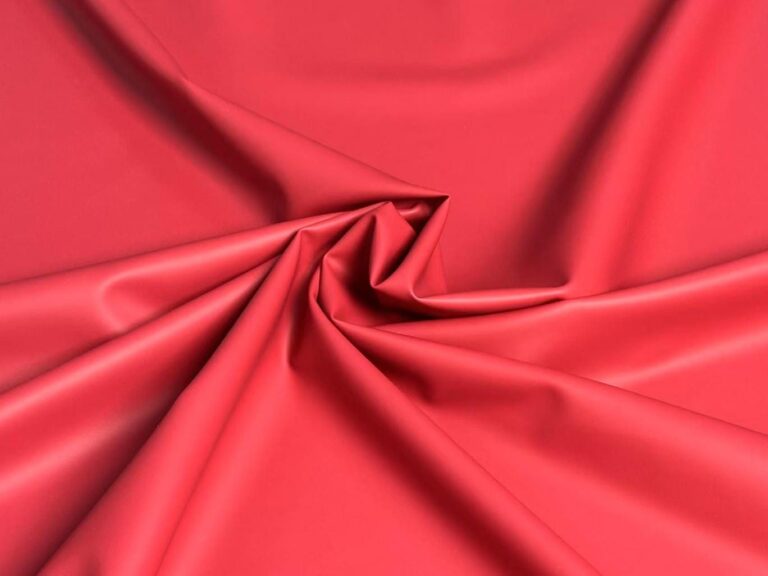
Eighteen months. That is all it took for a terrace seating program to turn a premium tan brown into a chalked, patched mess along every armrest. The fabric was a synthetic PU material specified for its soft hand and honest price. Indoors, the same grade performs beautifully for years. Outdoors, it never stood a chance. This case walks through what failed, why the chemistry betrayed it, and what we specified instead.
What Went Wrong on the Terrace
The failing surface was built like most synthetic PU material: a polyurethane resin coated over a polyester fabric. The formulator had chosen an aromatic isocyanate system, MDI-based, because it costs less and resists chemicals well. Two outdoor enemies defeated it. UV exposure chalked and yellowed the aromatic coating, a documented weakness of MDI and TDI chemistries. Then daily humidity and warm rain attacked the polymer itself through hydrolysis. That same mechanism ruins polyester-based PU in damp climates.
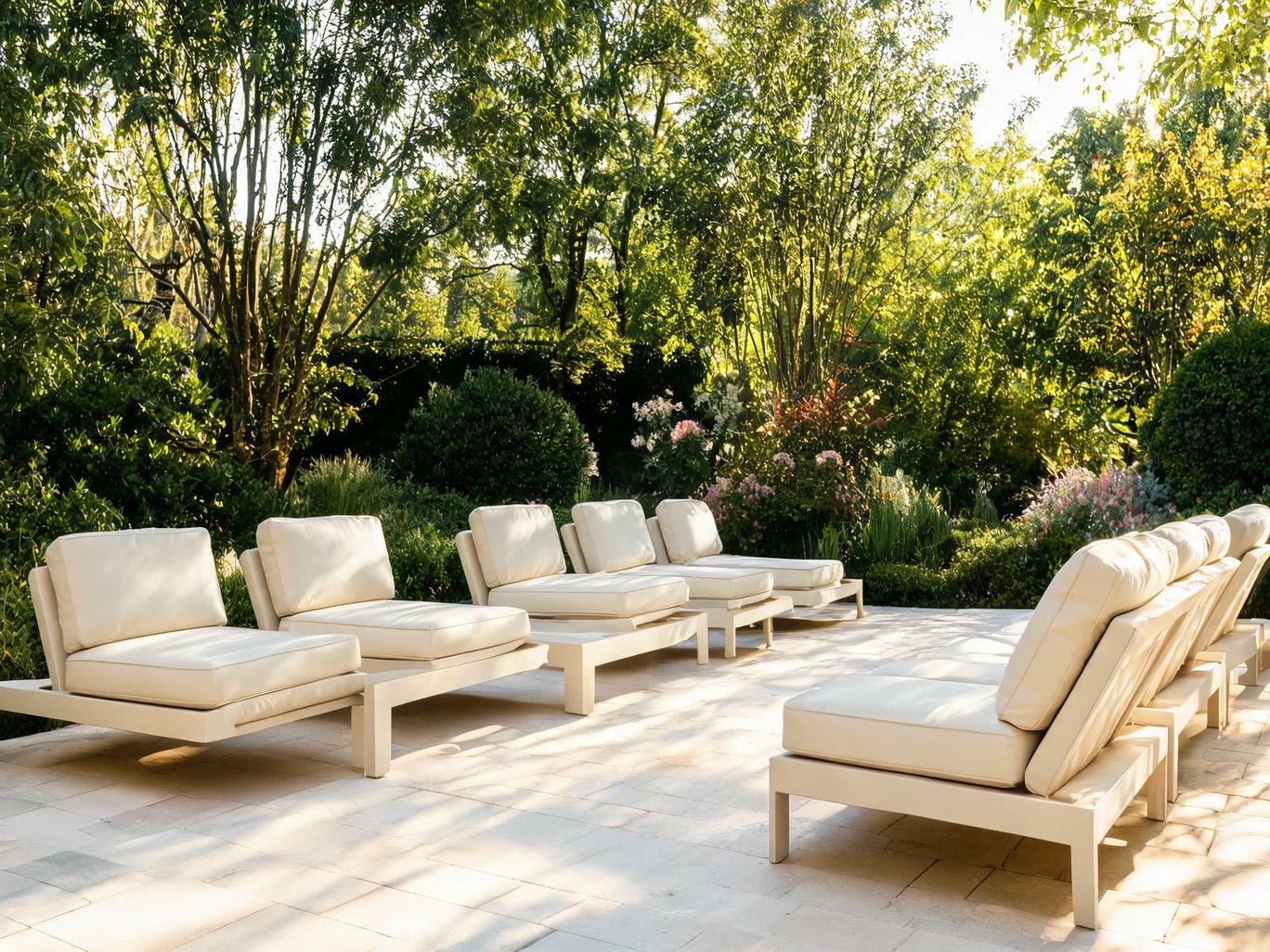
Outdoor seating exposes coating chemistry faster than any indoor test.
How Synthetic PU Material Chemistry Decides Its Fate
Polyurethane forms when an isocyanate reacts with a polyol. That single reaction offers a wide tuning range, and the isocyanate choice matters most outdoors. Aromatic systems save money but chalk and yellow under sun. Aliphatic systems built on HDI or IPDI hold color and gloss far longer, which is why marine topcoats favor them. Water remains a threat to both: prolonged heat and moisture hydrolyze the ester links inside many PU formulations.
Buyers who need outdoor service should therefore ask one question early. Which isocyanate family is used, and how does the grade handle humidity? Our hydrolysis-resistant silicone leather page covers the failure mechanism in detail for teams weighing repairs against replacement.

Bench waterproof checks come first; long-term humidity chambers decide the rest.
The Upgrade We Specified and the Results
For the replacement program, the client tested two candidates on the same terrace. One was an aliphatic PU grade. The other was a solvent-free silicone leather. After four seasons, the aliphatic sample retained color but showed surface tack at the hottest spots. The silicone sample showed no measurable fading and no tack. Its flexibility survived winter frost and direct summer sun alike. Weekly alcohol wipes left no gloss change.
Our own numbers back the field result. Silicone grades hold UV stability past 1,500 hours. They clear 1,000-hour ASTM B117 salt spray. They also complete 14 weeks in an 85°C/85% RH chamber without delamination. Nothing in the aromatic PU class approaches that combination outdoors.
Field result: silicone replacement seats passed four seasons and two inspection cycles; the original synthetic PU material failed at 18 months.

Bending endurance predicts how a coating handles daily use after weathering.
Choose Chemistry Before Price
Synthetic PU material rewards indoor programs with softness and value. Outdoor duty demands aliphatic chemistry at minimum. For a decade of sun, salt, and disinfectant, silicone is the safer call. Specify by chemistry first, and the price list will take care of itself. You can see where each of our grades serves across the application industries overview.
About TOPSUN
TOPSUN engineers solvent-free silicone leather for outdoor, marine, and hospitality programs that outlast conventional coated fabrics.
1,500+ hour UV stability, 1,000+ hour salt-spray testing, 85°C/85% RH hydrolysis chambers, and custom Pantone/RAL color matching.
References
- https://sprayoncoatings.com/polyurethane-coating/ — aliphatic (HDI/IPDI) UV stability vs aromatic (MDI/TDI) chalking and yellowing; PU hydrolysis in hot water and steam
- https://smartbuy.alibaba.com/buyingguides/synth… — synthetic PU construction: polyurethane resin coated on polyester or cotton backing, softer and more breathable than PVC