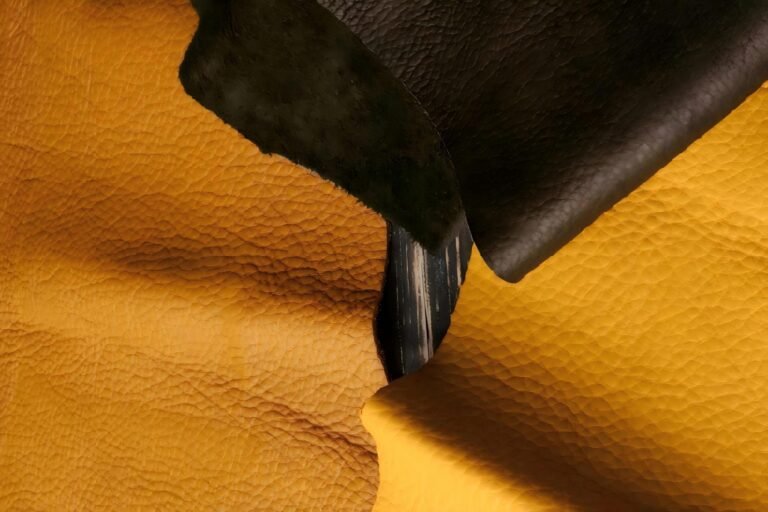
Ninety percent of what’s sold as “sustainable vegan leather” is polyurethane or polyvinyl chloride — petroleum-derived plastics bonded to fabric backings, marketed with leaf symbols and “eco” labels that lack third-party verification. The products aren’t vegan because they’re sustainable; they’re vegan because they’re not animal-derived. Those are two different claims, and B2B buyers who conflate them are building sustainability programs on plastic.
This article dissects the four generations of vegan leather — from PU/PVC plastics to plant-based innovations to silicone leather — and provides a certification verification framework that procurement teams can apply immediately. If your brand is making sustainability claims to consumers, the material behind those claims needs to survive an audit. Here’s how to ensure it does.
Request Sustainable Leather Samples

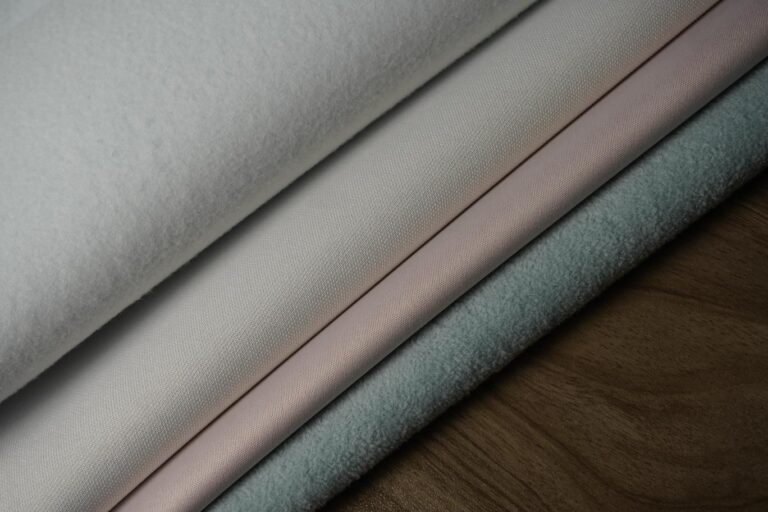
The vegan leather spectrum — from petroleum plastic to inherently sustainable silicone polymer
The Four Generations of Vegan Leather: What’s Actually in Your Supply Chain
“Vegan leather” is not a material — it’s a marketing category that encompasses fundamentally different material chemistries. Understanding what’s actually in your product is the first step toward credible sustainability claims.
| Generation | Material Base | Market Share | Biodegradable | Recyclable | Lifespan |
|---|---|---|---|---|---|
| 1st: PU/PVC | Petroleum plastics | ~90% | No (500+ yrs) | Limited | 3–5 years |
| 2nd: Water-based PU | PU (solvent-free) | ~5% | No | Limited | 3–5 years |
| 3rd: Plant-based | Apple/cactus/mycelium + PU binder | ~3% | Partial (binder is not) | No | 2–5 years |
| 4th: Silicone | Silicone polymer (Si-O) | ~2% | No (but 100% recyclable) | Yes (closed-loop) | 10+ years |
The table reveals the central contradiction in the “sustainable vegan leather” market: the materials that dominate market share (PU/PVC) are the least sustainable, while the most genuinely sustainable option (silicone) represents only 2% of the market. Plant-based leathers sound compelling but typically use a polyurethane binder — meaning the “apple leather” or “cactus leather” is still 40–70% polyurethane by content, and the binder determines the end-of-life pathway, not the plant filler.
The binder test: If the binder in a plant-based leather is polyurethane (and it almost always is), the material will hydrolyze, shed microplastics, and fail to biodegrade — regardless of the apple, cactus, or mushroom filler content. Ask your supplier: “What percentage of the finished material is polyurethane by weight?” If the answer is above 30%, the sustainability claim is primarily cosmetic.

Silicone leather raw materials — silica (sand) is the second most abundant element on Earth, and the foundation of genuinely sustainable leather
The Greenwashing Audit: 5 Questions That Expose Fake Sustainability Claims
When a supplier claims their vegan leather is “sustainable,” “eco-friendly,” or “green,” here are five questions that separate verifiable claims from marketing language. Bring these to your next supplier audit:
• 1. What is the polymer base? If the answer is polyurethane or polyvinyl chloride, the material is petroleum-derived plastic regardless of any plant filler or recycled content. “Bio-based” content claims should specify the percentage and what that content consists of.
• 2. What is the end-of-life pathway? Can the material be recycled through an existing, commercially available recycling stream? Biodegradability claims require composting infrastructure that exists for the specific material — “biodegradable in industrial composting conditions” is meaningless if your end market lacks industrial composting.
• 3. What third-party certifications verify the claim? Self-declared sustainability claims have no verification value. Look for OEKO-TEX Standard 100 (harmful substance testing), Global Recycled Standard (recycled content chain of custody), ISO 14001 (environmental management), and Cradle to Cradle (product-level sustainability assessment).
• 4. What is the production process? Solvent-based coating processes (used for most PU and PVC leather) release VOCs and require DMF recovery systems. Solvent-free dry coating processes (used for silicone leather) produce zero VOCs by design. The production method matters as much as the material itself.
• 5. What is the product lifespan? A material that lasts 3 years and then goes to landfill is less sustainable than a material that lasts 10+ years and is recyclable — even if the shorter-lived material is technically “biodegradable.” Durability is a sustainability metric. See our analysis of environmentally friendly fabrics for more on this principle.
Why Silicone Leather Is the Only Fully Circular Synthetic Leather
Silicone leather achieves sustainability not through additives or recycling content, but through the inherent properties of the silicone polymer itself. Here’s why it scores differently from every other vegan leather category:
• Raw material origin: Silicone is derived from silica (SiO₂) — sand. It’s the second most abundant element in the Earth’s crust. No petroleum required, no animal products involved.
• Production process: TOPSUN’s solvent-free dry coating process produces zero VOC emissions. No DMF, no toluene, no MEK. The production line itself is environmentally clean — no solvent recovery towers, no exhaust treatment systems, no wastewater from coating.
• Product lifespan: 10+ years of service life — 2–3× longer than PU leather. A material that lasts longer amortizes its production footprint over more years of use, reducing per-year environmental impact. See our eco-friendly silicone leather page for lifecycle analysis.
• End-of-life pathway: Silicone is 100% recyclable through mechanical and thermal recycling processes. Recycled silicone can be reprocessed into lower-grade silicone products (gaskets, sealants, industrial components), creating a circular material flow. No synthetic leather category other than silicone offers a commercially available recycling pathway at end of life.
• Microplastic profile: Unlike PU and PVC, which shed microplastic particles throughout their service life (especially in friction-intensive applications like automotive seats and furniture), silicone leather’s cross-linked polymer network does not shed microfibers under normal use conditions.

Silicone leather swatch rack — unlimited colors, zero solvents, 100% recyclable at end of life
Market Reality: The Vegan Leather Market Is Growing, But Sustainability Is Lagging
The global silicone vegan leather market was valued at $233 million in 2025 and is projected to reach $479 million by 2032, growing at a CAGR of 10.9%. The broader automotive vegan leather market reached $3.07 billion in 2024, with EV manufacturers as the fastest-growing segment. These numbers reflect real demand — but the gap between what brands claim and what materials deliver remains enormous.
For B2B brands positioning around sustainability, the strategic question is not whether to offer vegan leather — it’s which vegan leather to choose. A PU leather product marketed as “sustainable vegan leather” creates regulatory and reputational risk. The EU’s Green Claims Directive, expected to take full effect in 2026, will require substantiated environmental claims with third-party verification. Brands that cannot prove their “sustainable” label with certification data will face enforcement. For more on how the regulatory landscape is evolving, see our analysis of environmentally friendly fabric standards.
Eco-certifications overview — the third-party verification behind genuine sustainability claims
FAQ: Sustainable Vegan Leather
Is silicone leather actually vegan?
Yes. Silicone leather contains zero animal-derived materials. The polymer is synthesized from silica (sand) and organic methyl groups — no animal hides, no animal-based stearates, no casein or keratin-based additives. It’s PETA-eligible and certified vegan. Unlike PU/PVC “vegan” leather, silicone leather is both vegan and genuinely sustainable — the two claims are not in tension.
Is plant-based leather more sustainable than silicone leather?
In most cases, no — despite the marketing. Plant-based leathers (apple, cactus, mushroom) typically use 30–70% polyurethane as a binder, meaning the finished material still contains petroleum plastic that will not biodegrade and will shed microplastics. Their lifespan (2–5 years) is shorter than silicone leather (10+ years), and they cannot be recycled through any existing commercial stream. The plant filler content sounds appealing but doesn’t determine the material’s end-of-life or durability — the binder does.
Stop Accepting Self-Declared Sustainability
The “sustainable vegan leather” label is one of the most abused claims in B2B materials sourcing. Ninety percent of products carrying this label are petroleum plastics with a green story. The procurement response is straightforward: require polymer base disclosure, demand third-party certifications (OEKO-TEX, GRS, ISO 14001), question the production process (solvent-based vs solvent-free), and evaluate the full lifecycle — not just the raw material story. Silicone leather is the only synthetic leather that passes every dimension of this audit through inherent material properties. For B2B brands building credibility with sustainability-conscious consumers, the material behind the claim matters more than the claim itself.
For related sustainability insights, see our analysis of silicone leather and circular economy and our guide to evaluating leather factory suppliers.
Get Verified Sustainable Leather Samples
About TOPSUN
TOPSUN manufactures silicone leather from silica-derived polymers using a solvent-free dry coating process — delivering genuinely sustainable vegan leather that is 100% recyclable, zero VOC, 10+ year lifespan, and free from petroleum plastics, animal products, plasticizers, and restricted substances for B2B brands requiring verifiable sustainability credentials.
100% recyclable · Zero VOC · Solvent-free · Vegan certified · 10+ year lifespan · OEKO-TEX 100 · REACH compliant · FDA food-contact · ISO 10993 biocompatible · 500,000+ m monthly capacity