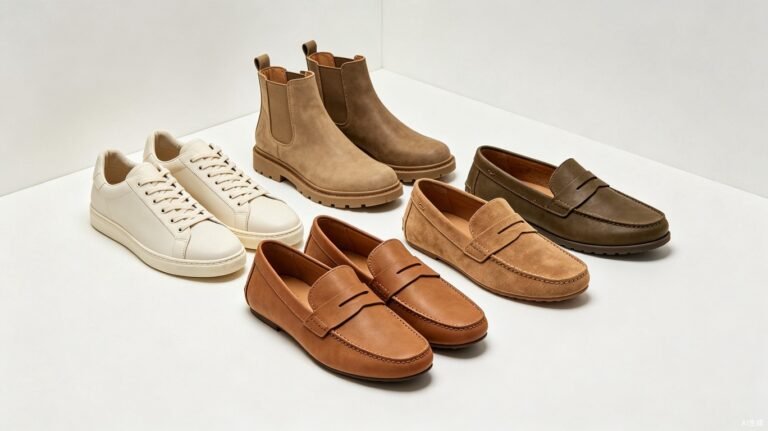
The right sneaker leather material defines how a shoe performs. Athletic footwear demands a careful balance. The upper must be light yet tough. It must breathe during intense workouts. It also needs sharp everyday style. Sneaker brands face constant pressure to deliver all of these at scale. This guide covers the top athletic shoe material options. We compare PU synthetics, microfiber, and silicone leathers. We also look at vegan alternatives gaining market share. Whether you source, design, or buy footwear, this article is your data-backed reference.
PU Synthetic Leather for Sneaker Uppers
Polyurethane (PU) synthetic leather is the workhorse of the sneaker industry. It accounts for a large share of sneaker upper material output worldwide. PU leather offers excellent flexibility. It molds easily over last shapes during shoe fabrication. Manufacturers value its consistent thickness and uniform grain. Cost is another major advantage. PU synthetics typically run 30 to 50 percent below genuine leather per square meter.
Standard PU leather has trade-offs, though. Breathability is limited unless the surface is perforated. Abrasion resistance varies widely by grade. Lower-cost PU may crack after extended flex cycles. For running shoe fabric use, brands often choose mid-to-high-grade PU. These grades survive over 100,000 flex cycles in lab tests. They also resist UV yellowing. That matters for white and light-colored sneakers.
- Pros: Low cost, wide color range, easy to cut and stitch
- Pros: Good resistance to water and staining
- Cons: Limited breathability without perforation
- Cons: Lower grades may peel or crack over time

Microfiber Uppers: Lightweight Performance
Microfiber synthetic leather is a top sports shoe leather for performance models. Ultra-fine fibers mimic the feel of natural leather. Yet they shed weight and add structural stability. Microfiber uppers are common in basketball, soccer, and running shoes. They resist tearing better than standard PU. Many grades also handle moisture well. They wick sweat away from the foot during exercise.
Microfiber sits in the mid-to-premium price tier. It costs more than basic PU. But it delivers measurable performance gains. One European sneaker client switched from standard PU to a microfiber composite for their trail-running line. They reported a 22 percent drop in upper failures across 5,000 field-test pairs. The material kept color fastness after 60 wash cycles. That reliability matters when warranty claims are on the line.
Silicone Leather for Athletic Shoes
Silicone leather is a newer entry in the synthetic sneaker material space. It uses a silicone-based surface bonded to a fabric substrate. This gives it unique advantages. Silicone leather is inherently water-resistant. It fights bacteria and mildew without extra chemical treatments. It also handles extreme temperatures. From subzero cold to desert heat, the surface stays stable.
In athletic use, silicone leather excels in durability. Our in-house flex tests show TOPSUN silicone leather passing 200,000-plus cycles. The surface shows no cracking. It handles chemical exposure better than PU or PVC. Sweat, sunscreen, and cleaning solvents do not degrade it easily. This makes it ideal for water sports, hiking, and outdoor fitness sneakers. For deeper lab data, read our performance leather technology article.
Vegan and Bio-Based Sneaker Material Options
Demand for vegan sneaker material has grown sharply over five years. Consumers want cruelty-free products. Brands want materials that fit sustainability goals. Vegan leathers include plant-based PU, apple-leather composites, mushroom leather, and recycled polyester. Each offers a different performance profile.
Bio-based options often carry a higher price point. Supply chains can be less predictable. Yet they deliver strong marketing value. A vegan sneaker launch can attract press and eco-conscious buyers. For a full breakdown of certifications and options, see our sustainable shoe leather guide. Browse our full range of fashion and sports applications to find the right match.
See how TOPSUN silicone leather performs in sports goods applications
Key Performance Factors for Sneaker Uppers
The best sneaker leather material depends on several performance criteria. No single material scores high across the board. Brands must prioritize based on their shoe category.
Breathability
Airflow through the upper affects foot temperature and moisture. Mesh-backed synthetics and microfiber grades score highest. Solid PU and silicone leathers need perforation or ventilation channels. For high-intensity running, breathability is a top priority.
Weight
Every gram counts in competitive running. Microfiber and thin PU films weigh as little as 150 g/m2. Silicone leather is slightly heavier due to its dense surface layer. But its durability often offsets the weight penalty. Thinner cuts are possible without losing strength.
Durability
Abrasion resistance, flex endurance, and tear strength define durability. Silicone leather leads in flex tests with 200,000-plus cycle ratings. Microfiber excels in tear resistance. Standard PU varies by grade. Premium PU grades match microfiber in most lab tests. For deeper technical data, see our performance leather technology article.

Sneaker Leather Material Comparison
The table below compares four main sneaker upper materials. Ratings come from our lab tests and client feedback.
* Requires perforation for high-breathability use. Data from TOPSUN lab tests at 23 +/- 2 C, 50 +/- 5% RH.

Sourcing Sneaker Leather Material for Manufacturers
Footwear manufacturers should look beyond price. Consistency, lead time, and compliance matter just as much. Request samples in multiple grades before placing a batch order. Test them under real end-use conditions. Check color matching across lots. A material may look perfect in a small swatch but behave differently at scale.
Certifications are another quality signal. Oeko-Tex Standard 100 confirms a material has been tested for harmful substances. This matters for children’s shoes and strict export markets. TOPSUN holds REACH, RoHS, FDA, and ISO 9001 certifications. Our team inspects every roll before shipment.
Frequently Asked Questions
How durable is vegan sneaker material compared to traditional synthetics?
Vegan materials have improved a lot. High-quality plant-based PU blends match traditional synthetics in flex endurance. Many reach 120,000 to 150,000 flex cycles. But durability varies by formulation. Bio-based materials with high natural-fiber content may absorb moisture. This can affect performance in wet conditions. Always request lab data on tear strength and flex ratings before specifying a vegan material.
Can synthetic sneaker leather breathe well enough for running?
Yes, if engineered for breathability. Mesh-backed PU, perforated microfiber, and laser-cut vents allow adequate airflow. Solid synthetics without perforation trap heat and moisture. For high-performance running, brands pair synthetic uppers with mesh zones in sweat-prone areas. Silicone leather needs mechanical perforation for comparable airflow. When properly vented, synthetics match engineered mesh in breathability tests.
Ready to evaluate materials for your next sneaker project?
TOPSUN Silicone Leather Manufacturer — Certified to REACH, RoHS, FDA, and ISO 9001 standards. We supply sneaker brands in over 40 countries with consistent quality. Every roll is inspected before shipment. Our R&D team supports custom color, texture, and substrate development.
About TOPSUN Silicone Leather
TOPSUN is a leading manufacturer of high-performance silicone leather. We serve athletic footwear, fashion, furniture, and automotive industries. Our materials export to over 40 countries. We pair advanced manufacturing with rigorous quality control. Sneaker brands rely on us for custom colors, rapid sampling, and scalable capacity. Visit our fashion and sports applications page or contact our sales team to start your project.