Pineapple leather — commercially known as Piñatex — is one of the most celebrated sustainable leather alternatives on the market. Developed by Dr. Carmen Hijosa and produced by Ananas Anam, it transforms pineapple leaf waste into a non-woven textile used by over 1,000 brands including Hugo Boss, H&M, and Hilton Hotel Bankside. The global Piñatex market reached $78.08 million in 2025 and is projected to grow to $143.84 million by 2035 at 6.3% CAGR. These are impressive numbers for a material that didn’t exist commercially 15 years ago. But B2B specifiers need to look past the narrative and examine the material science: Piñatex achieves 25,000 Martindale abrasion cycles (vs silicone leather’s 200,000+), has a 3–4 year service life (vs silicone’s 10+), and contains 50–75% synthetic polymer coating by weight. The pineapple leaf fiber is the substrate; the performance comes from the plastic. Here’s the honest assessment B2B buyers need before specifying Piñatex for commercial applications.
Compare Sustainable Leather Options

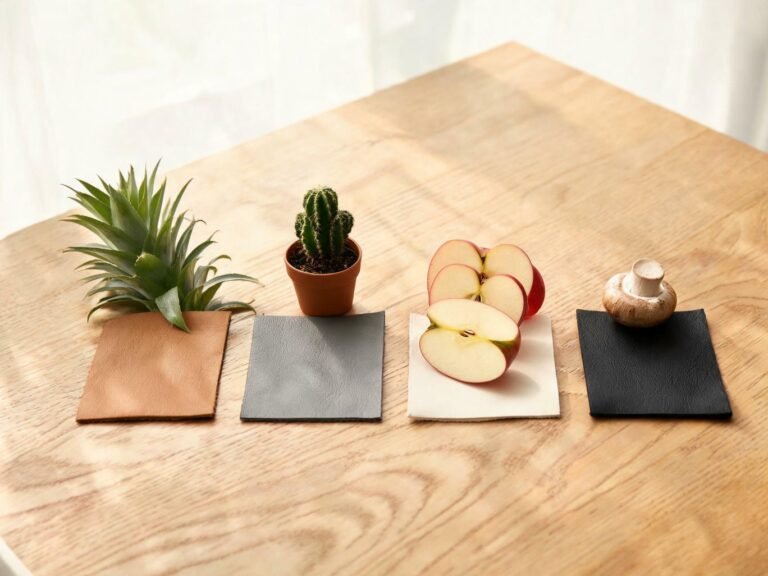
Plant-based leather in fashion — Piñatex has found strong adoption in accessories and apparel, but commercial upholstery remains challenging
Pineapple Leather (Piñatex): What It Actually Is
Piñatex is a non-woven textile made from pineapple leaf fibers — an agricultural waste product from the pineapple fruit industry. The process: harvest leaves, decorticate (extract fibers), wash, dry, create a non-woven mesh via needle-punching, then apply a finish coating. The base fiber is natural and biodegradable. The finish coating — which provides water resistance, abrasion resistance, and surface durability — is where the material’s performance and environmental complexity begins.
There are three Piñatex variants, each with a different coating system:
- Piñatex Original: Base non-woven with a PLA (polylactic acid) based coating — partially bio-based, breathable, used in fashion accessories
- Piñatex Performance: High-solid PU transfer coating — improved abrasion and water resistance for upholstery and footwear, but increases synthetic polymer content
- Piñatex Metallic: Metallic foil heat-pressed onto the base — decorative applications only, limited durability
The Performance variant — the one relevant for B2B upholstery and commercial applications — uses a polyurethane coating that adds significant synthetic polymer content. Independent analysis by Leather UK and Business of Fashion estimates that plant-based leathers using PU coatings, including Piñatex Performance, run 50–75% synthetic polymer by weight. The pineapple leaf fiber is the reinforcement substrate; the PU coating is the functional surface. This doesn’t make Piñatex “bad” — but it means the sustainability narrative needs to be calibrated against the material science.
Pineapple Leather vs Silicone Leather: Performance Comparison

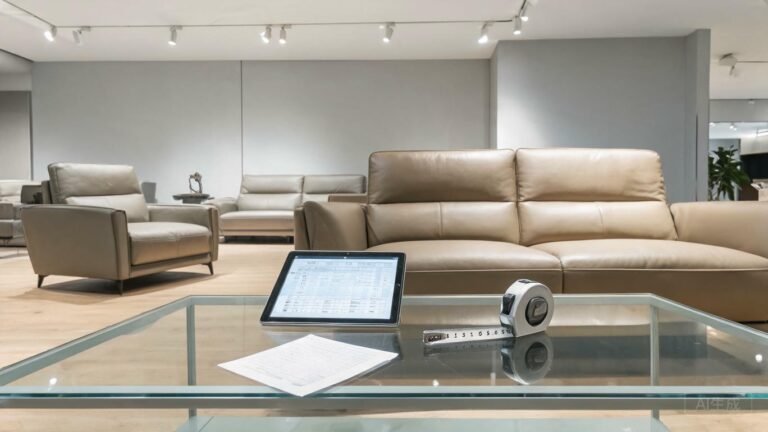
Plant-based leather furniture — where performance requirements exceed what Piñatex can currently deliver
| Property | Piñatex Performance | Silicone Leather | PU Leather |
|---|---|---|---|
| Martindale Abrasion | 25,000 cycles | 200,000+ cycles | 50,000 cycles |
| Tensile Strength | 18–22 MPa | ≥ 10–15 N/mm | Variable |
| Elongation at Break | 12–16% | 250–300% | 100–200% |
| Service Life (Commercial) | 3–4 years | 10+ years | 3–5 years |
| Water Resistance | Not immersion-proof | Inherent hydrophobic (110°+) | Surface only |
| UV Resistance | Moderate (PU coating degrades) | 1,000+ hours, no fading | Poor, cracks in 1–2 years |
| Bio-based Content | 25–50% (fiber substrate) | 100% recyclable, not bio-based | 0% (petroleum-based) |
| VOC Emission | Low (depends on coating) | Zero | Contains solvents |
| Temperature Range | Not specified beyond 80°C | -40°C to 250°C | -20°C to 80°C |
| Scale (Annual Production) | Limited — thousands of m² | 6M+ m²/year (TOPSUN capacity) | Mass market |
The elongation column reveals a structural limitation: Piñatex elongates only 12–16% before breaking, compared to silicone leather’s 250–300%. This means Piñatex can’t stretch and recover the way upholstery leather needs to — sitting on a Piñatex sofa creates stress that the material can’t accommodate through elastic deformation, leading to faster fatigue at stress points. For fashion accessories (wallets, cardholders), this rigidity is acceptable. For furniture, automotive, and marine upholstery, it’s a structural constraint that limits the material’s applicability.
Eco-certifications — silicone leather’s environmental compliance framework includes zero VOC, PVC-free, and 100% recyclable material
Pineapple Leather: Where It Works and Where It Doesn’t
Where Piñatex Works Well
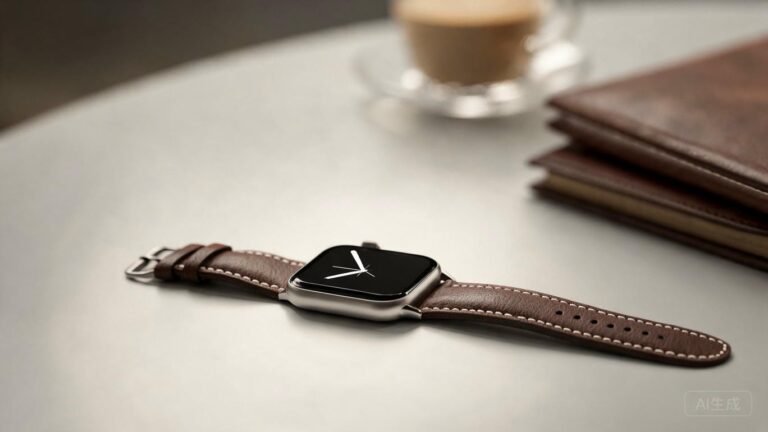
- Fashion accessories — Wallets, cardholders, watch straps where low abrasion exposure and aesthetic sustainability storytelling drive purchase decisions
- Footwear uppers — Limited-run sustainable sneaker collections where brand narrative justifies the 3–4 year lifespan limitation
- Decorative panels — Non-load-bearing interior panels where visual texture and sustainability credentials matter more than durability
- Marketing/CSR programs — Products where the material itself is the marketing story, and performance requirements are secondary
Where Piñatex Falls Short
- Commercial upholstery — 25,000 Martindale cycles is insufficient for hospitality furniture that needs 100,000+ cycles
- Automotive interiors — Temperature resistance, UV stability, and elongation all fall short of OEM requirements
- Marine applications — Not immersion-proof; salt spray and UV exposure degrade the PU coating rapidly
- Healthcare — No biocompatibility certification; can’t be disinfected with hospital-grade chemicals
- High-volume production — Production scale is measured in thousands of square meters, not millions — insufficient for automotive or furniture OEM contracts
The Sustainability Reality: Bio-Based vs Recyclable
The plant-based leather narrative — that Piñatex is “more sustainable” than synthetic leather — deserves scrutiny. The sustainability equation has multiple dimensions:
| Dimension | Piñatex | Silicone Leather |
|---|---|---|
| Raw material source | Agricultural waste (pineapple leaves) | Silicone polymer (silica, abundant) |
| Bio-based content | 25–50% (fiber only; coating is synthetic) | 0% bio-based, but 100% recyclable |
| End-of-life | Partially biodegradable (fiber); coating persists | 100% recyclable through silicone reprocessing |
| Replacement frequency | Every 3–4 years (commercial use) | Every 10+ years (commercial use) |
| Total material consumed over 10 years | 3x replacement = 3 units of material | 1 unit (lasts the full decade) |
| VOC emission during use | Low (PU coating may off-gas) | Zero |
| Farmer/social impact | Additional income for pineapple farming communities | No direct agricultural impact |
The total material consumption row is the key insight: a material that lasts 10 years uses one-third the total material of one that lasts 3.5 years — regardless of bio-content percentages. Piñatex’s agricultural waste sourcing is a genuine environmental positive, and its social impact on farming communities is real. But if the material needs replacing 3x as often, the net environmental footprint may be higher, not lower. The most sustainable material is often the one you don’t have to replace.
About TOPSUN: The Non-Bio-Based Sustainable Option
TOPSUN’s silicone leather isn’t bio-based — and we’re transparent about that. What it is: 100% recyclable, zero VOC, PVC-free, phthalate-free, DMF-free, and solvent-free in production. Its 10+ year service life means it consumes less total material over time than shorter-life alternatives. Its production process (solvent-free dry coating) generates no chemical wastewater. For B2B buyers weighing sustainability options, the question isn’t “bio-based vs synthetic” — it’s “which material delivers the lowest total environmental impact over the product’s actual life?” On that metric, a 10-year material that’s 100% recyclable often outperforms a 3-year material that’s partially biodegradable. Read our eco-friendly analysis or compare sustainable leather options.
Pineapple Leather (Piñatex): Frequently Asked Questions
Is Piñatex fully biodegradable?
The pineapple leaf fiber substrate is biodegradable. The PU or PLA coating applied for performance is not. Piñatex Performance, the variant used for upholstery and footwear, uses a high-solid PU transfer coating — meaning 50–75% of the finished material is synthetic polymer that persists in the environment.
Can Piñatex be used for commercial furniture upholstery?
It has been used in limited commercial applications (Hilton Hotel Bankside), but its 25,000 Martindale abrasion cycles and 3–4 year service life fall below the typical commercial specification threshold of 100,000+ cycles and 7+ year life. For decorative panels or low-traffic areas, it may be acceptable; for seating surfaces, it’s not recommended.
Is silicone leather more sustainable than Piñatex?
It depends on the sustainability metric. Piñatex uses agricultural waste and supports farming communities — a social sustainability advantage. Silicone leather is 100% recyclable, zero VOC, and lasts 3x longer — a material conservation and lifecycle advantage. For applications requiring 10+ year performance, silicone leather’s lower replacement frequency means lower total material consumption and lower total environmental impact.
What is the production scale of Piñatex vs silicone leather?
Piñatex production is measured in thousands of square meters annually — limited by pineapple harvest cycles and fiber processing capacity. TOPSUN’s silicone leather capacity is 500,000+ meters per month (6M+ m²/year). For OEM-scale contracts (automotive, furniture, hospitality), Piñatex’s production volume is insufficient.
The Bottom Line
Pineapple leather (Piñatex) is a genuine material innovation — it transforms agricultural waste into a functional textile with real social impact. But it’s not yet ready for the commercial applications where B2B buyers need 10+ year durability, 100,000+ abrasion cycles, hospital-grade cleaning compatibility, and OEM-scale production volume. The bio-content narrative, while compelling, obscures the reality that Piñatex Performance still relies on a PU coating for its functional properties — the same polymer that makes conventional PU leather degrade. The honest assessment: Piñatex is the right material for fashion accessories and sustainability storytelling. Silicone leather is the right material for commercial upholstery, automotive interiors, and healthcare surfaces where performance and longevity are the sustainability metrics that matter. The most sustainable material is the one still in use 10 years from now — not the one that’s partially biodegradable in a landfill after 3.
Weighing sustainable leather options for commercial use?
TOPSUN provides 100% recyclable, zero VOC silicone leather with 10+ year commercial service life. Free A4 swatches shipped worldwide via DHL/FedEx. Contact info@topsunsiliconeleather.com or WhatsApp +44 744 461 7933.
Related: Sustainable Leather Guide | Biodegradable Leather Alternatives | Plant-Based Leather | Eco-Friendly Silicone Leather