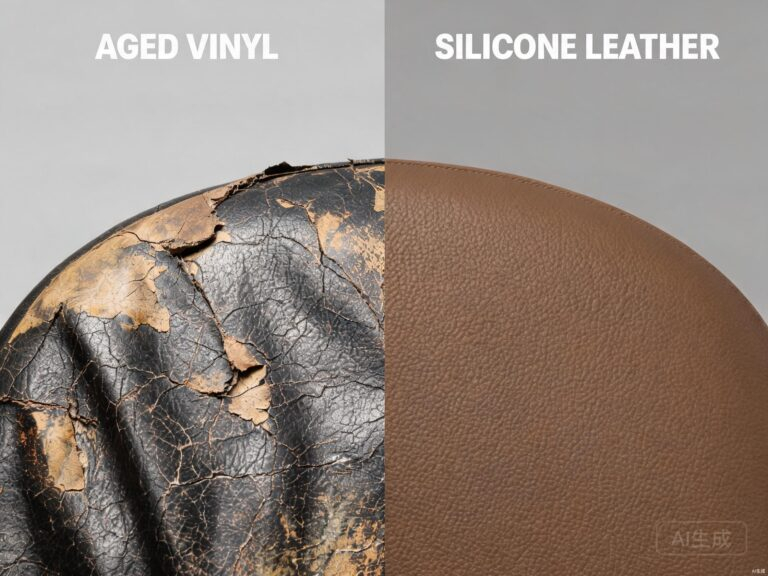
A connected sofa launches with heated seating zones, voice-activated recline, and embedded pressure sensors. The electronics work flawlessly. The leather doesn’t. After 18 months of thermal cycling between room temperature and the 45°C heating zone, the PU leather surface begins to crack along the seat cushion edges — right above the heating element. The OEM receives 14% warranty claim rates in the first year alone. This is the smart home leather problem: the furniture industry is integrating IoT faster than it’s upgrading its material specs. KUKA HOME’s Spring 2026 flagship collection features InSense smart control across all products, but the upholstery material running across those smart frames is still PU leather rated for -20°C to 80°C. When the furniture gets smarter but the material doesn’t, the warranty pays the difference.
Request Smart Furniture Material Samples
What Smart Home Leather Actually Means in 2026
“Smart home leather” isn’t a material — it’s a performance requirement. It means upholstery leather engineered to survive the conditions that smart furniture creates: localized heating up to 45°C at the seat surface, embedded electronic components that concentrate thermal load at specific zones, repeated mechanical cycling from motorized recline mechanisms, and touch-sensor integration that demands consistent surface conductivity. Smart textile research shows that temperature-regulating fabrics can continuously adjust surface temperature to prevent heat accumulation during extended sitting. But the leather covering those smart textiles must withstand the thermal load they generate — and most PU leather can’t.
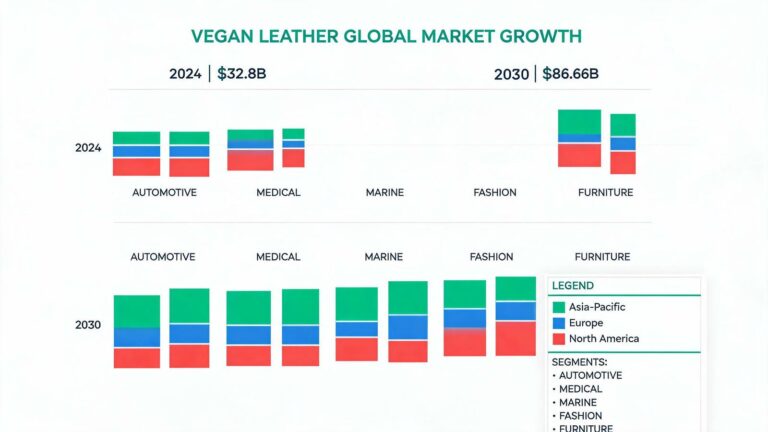
The smart furniture market is accelerating. KUKA HOME, Xiri, and other manufacturers are shipping intelligent sofas with voice interaction, AI posture detection, and integrated climate control. AI-driven leather cutting systems in furniture manufacturing are reducing waste while increasing output. But the material specification on the spec sheet hasn’t caught up with the technology stack underneath. For a look at where integrated leather technology is heading, see our analysis of smart leather technology.
The Thermal Stress Problem: When Heated Furniture Meets PU Leather
PU leather has a maximum service temperature of 80°C — and that’s the continuous rating, not the cycling rating. Smart furniture heating elements cycle between ambient (22°C) and operating temperature (40–45°C) multiple times per day. Each cycle causes differential thermal expansion between the PU coating and the fabric backing, stressing the adhesive bond layer. After 500–700 thermal cycles — roughly 18 months of daily use — the coating begins to delaminate and crack.
| Smart Home Stress Factor | What It Does to PU Leather | Silicone Leather Response |
|---|---|---|
| Heated seat cycling (22→45°C) | Thermal expansion → delamination at 500 cycles | Stable to 250°C, no delamination |
| Motorized recline flexing | Creasing at stress points → surface cracks | 50K–100K flex cycles, no cracking |
| Embedded sensor thermal load | Localized heat concentration → accelerated aging | Heat-dissipating, UV-stable |
| Touch-sensor surface contact | Skin oils + friction → surface degradation | Non-porous, stain-resistant, bleach-safe |
| Voice control speaker vibration | Micro-vibration fatigue → seam stress | High elongation (250%+), vibration-damping |
The data is clear: standard PU leather was never engineered for the thermal and mechanical stress profile that smart furniture creates. The 80°C ceiling is the hard limit — and smart furniture hits it from the inside, not from the sun. For more on this performance gap, see our analysis of LED-integrated smart leather materials.
Sensor Integration: Material Requirements for Touch Surfaces
Smart home furniture increasingly uses capacitive touch sensors embedded in or beneath the upholstery. The leather material becomes the interface between human skin and the sensor grid. This creates specific material requirements that traditional PU and PVC leather don’t meet:
Consistent dielectric properties: Silicone has a dielectric constant of 3.0–3.5 across a wide temperature range, making it a predictable dielectric layer for capacitive sensing. PU leather’s dielectric properties shift as plasticizers migrate, causing sensor drift over the product’s life.
Thermal conductivity for heat dissipation: Embedded electronics generate heat. Silicone’s thermal stability (rated to 250°C) means it won’t degrade even when sensor components run warm. PU leather begins irreversible degradation at 80°C.
Surface consistency for capacitive contact: Capacitive touch requires a consistent, non-degrading surface. Silicone leather’s non-porous surface maintains the same surface energy throughout its 10+ year life. PU leather’s surface changes as plasticizers migrate and the material hardens — meaning a touch sensor calibrated at production may not work properly at month 18. For technical details on silicone leather in advanced applications, see our silicone leather smart materials overview.
Silicone vs PU Leather in Smart Furniture: Performance Data
| Property | PU Leather | Silicone Leather |
|---|---|---|
| Max service temperature | 80°C | 250°C |
| Min service temperature | -20°C | -40°C |
| Thermal cycling stability | Degrades at 500 cycles | No degradation |
| Flex resistance | ~30,000 cycles | 50,000–100,000 cycles |
| Dielectric stability | Drifts with plasticizer loss | Stable across temp range |
| VOC emission | Contains solvents | Zero / near-zero |
| Service life | 3–5 years | 10+ years |
The temperature range gap is the most critical number: PU leather’s -20°C to 80°C window cannot accommodate the thermal cycling of heated smart furniture. Silicone leather’s -40°C to 250°C range absorbs the same cycling with zero structural impact. For a broader view of where this technology is heading, see our analysis of silicone leather in automotive future applications.
Smart Home OEM Spec Sheet: What to Require From Your Leather Supplier
If you’re developing smart furniture with integrated electronics, heating, sensors, or voice control, your leather material specification must include these requirements beyond the standard Martindale and tensile strength data:
- Maximum continuous service temperature — Must exceed the highest surface temperature the electronics can generate, with a safety margin. Require ISO 11507 thermal stability data.
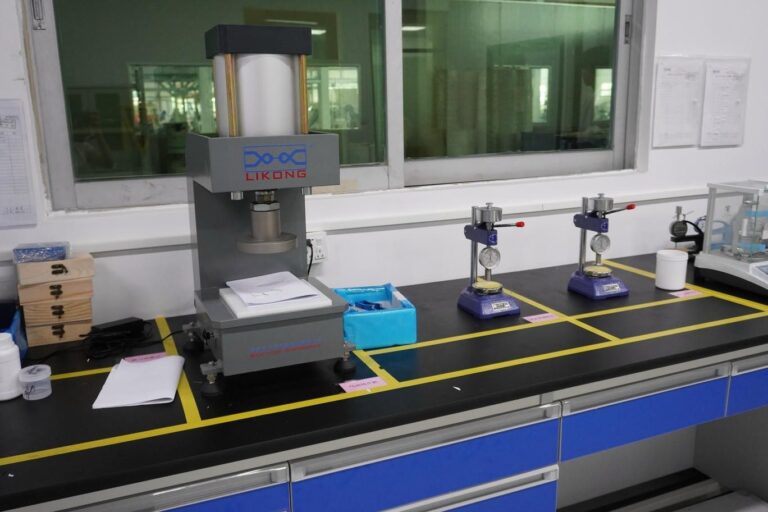
- Thermal cycling test data — Request test results showing material performance after 1,000+ cycles between ambient and maximum operating temperature. This is the test that catches the 18-month failure.
- Flex resistance at operating temperature — Standard ISO 5402 flex testing is done at room temperature. Request testing at the actual heated-surface temperature (45°C or higher).
- Dielectric property stability — If integrating capacitive touch sensors, require dielectric constant data across the full operating temperature range. Plasticizer-based materials will drift.
- VOC emission at elevated temperature — Standard VOC testing (ISO 16000-6) runs at 23°C. Smart furniture surfaces run at 40–45°C. Require testing at operating temperature — VOC emissions increase with heat.
- Cleaning chemical compatibility post-heating — Heat accelerates chemical degradation. Request cleaning compatibility data on thermally aged samples, not virgin material.
- Warranty terms tied to thermal cycling — Negotiate warranty language that covers cracking under thermal cycling, not just manufacturing defects. This is where the 14% claim rate hides.
TOPSUN’s silicone leather is rated for -40°C to 250°C continuous service with zero VOC emissions, making it the only upholstery material that can meet all seven of these requirements simultaneously. The silicone polymer backbone is inherently thermally stable — no plasticizers to migrate, no solvent-based coatings to off-gas, no adhesive bonds to delaminate under thermal cycling. For smart furniture OEMs, this means a material that survives the warranty period the electronics were designed for.
About TOPSUN: TOPSUN manufactures thermally-stable silicone leather for smart furniture OEMs integrating heating, sensing, and IoT control systems. With 60,000+ m² production capacity and 500,000+ meters monthly output, TOPSUN supplies PVC-free, phthalate-free silicone leather to furniture brands developing connected products. All materials are REACH-compliant, RoHS-certified, and verified by SGS and Intertek. Free A4 swatch samples ship worldwide via DHL/FedEx.
| Smart Furniture Application | Critical Material Spec | PU Risk | Silicone Advantage |
|---|---|---|---|
| Heated seating zones | Thermal cycling stability | Cracks at 500 cycles | No degradation to 250°C |
| Capacitive touch armrests | Dielectric stability | Sensor drift from migration | Stable dielectric constant |
| Motorized recline joints | Flex at operating temp | 30K cycles, degrades when hot | 100K cycles at temp |
| Voice control speaker zones | Vibration damping | Seam fatigue | 250%+ elongation |
Request Smart Furniture Material Quote