Walk into any mid-range hotel room and run your hand along the headboard. That smooth, slightly chemical-smelling surface is vinyl upholstery fabric — and within three to five years, it will likely be cracking at the edges, peeling at the seams, and releasing volatile organic compounds into the air. For procurement teams specifying materials at scale, the real question isn’t whether vinyl is cheap upfront. It’s whether the total cost of premature replacement, compliance risk, and guest complaints makes it the wrong choice entirely. This article breaks down why vinyl fails, what regulations are closing in, and how silicone leather performs by comparison.
Request Free Vinyl Alternative Samples
What Exactly Is Vinyl Upholstery Fabric?
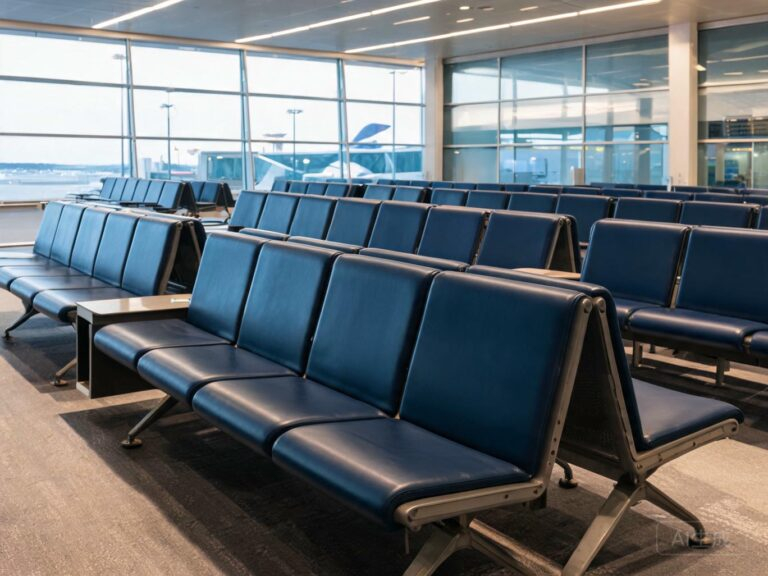
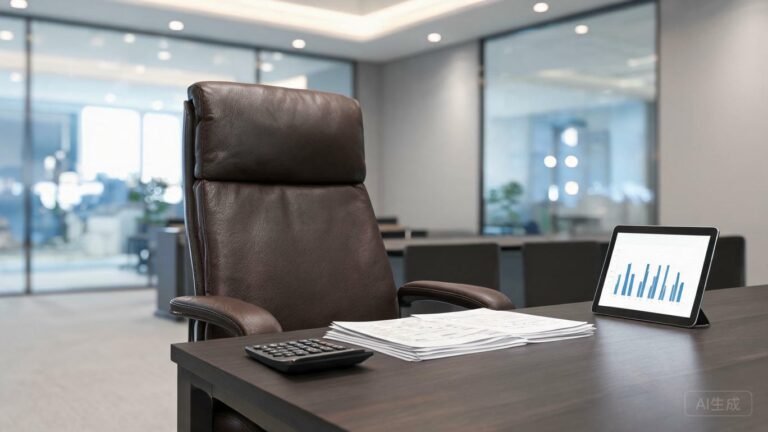
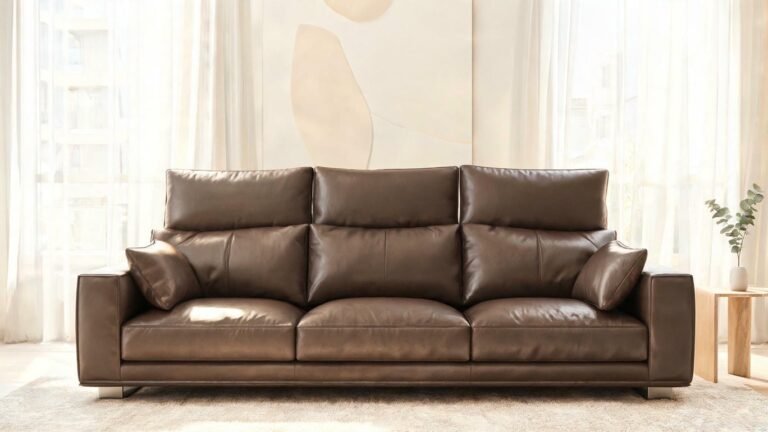
Vinyl upholstery fabric is a PVC-based synthetic material where polyvinyl chloride resin is plasticized and coated onto a fabric backing — typically polyester or cotton. The plasticizers (usually phthalates) make the rigid PVC flexible enough to drape over furniture, headboards, and seating shells. It has dominated the contract furniture and hospitality markets for decades because it costs significantly less than genuine leather and wipes clean easily.
For B2B buyers sourcing vinyl upholstery fabric for commercial furniture, the appeal is obvious: low unit cost, decent stain resistance, and widespread availability. But the same plasticizers that make vinyl flexible are also the ones that evaporate over time — and that evaporation drives both the cracking and the indoor air quality concerns we’ll discuss next.

Physical testing lab where vinyl and silicone leather samples undergo abrasion, flexing, and tensile evaluations
Three Ways Vinyl Upholstery Fabric Fails in Commercial Use
In our experience testing materials from dozens of suppliers, vinyl upholstery fabric fails through three predictable mechanisms. Understanding each one helps procurement teams calculate true replacement cycles rather than trusting catalog claims.
1. Plasticizer migration and surface cracking. Phthalate plasticizers slowly evaporate from the PVC matrix at room temperature — faster in heated or sun-exposed environments. As they leave, the material loses flexibility and develops hairline cracks, usually starting at stress points like seat edges and headboard corners. We’ve seen contract vinyl begin micro-cracking within 18 months in south-facing hotel rooms.
2. VOC off-gassing. That “new vinyl smell” is actually volatile organic compounds — including residual solvents and degradation products — entering the indoor air. Vinyl upholstery fabric VOC off-gassing is most concentrated in the first 6 months but continues at lower levels for years. In enclosed spaces like healthcare waiting rooms or cinema seating, this becomes a compliance issue, not just a comfort one.
3. UV-driven discoloration and embrittlement. Ultraviolet exposure breaks down PVC molecular chains, causing yellowing, chalking, and progressive hardening. A vinyl headboard near a window can look visibly aged within 2-3 years while an identical piece in a hallway lasts 5-6 years — same material, dramatically different lifespan.
Key takeaway: Vinyl’s failure isn’t random — it’s chemical. The same phthalates that make it flexible guarantee its eventual hardening and cracking. No maintenance routine can reverse plasticizer loss.

Martindale abrasion tester running side-by-side comparison between vinyl and silicone leather samples
Phthalate Bans and VOC Regulations Reshaping Procurement
If cracking were the only problem, buyers might accept it as a trade-off for low cost. But regulatory pressure is making vinyl upholstery fabric harder to specify at all. The EU REACH regulation restricts multiple phthalates — including DEHP, DBP, and BBP — in articles placed on the European market. California’s Proposition 65 requires warning labels for products containing listed phthalates. And indoor air quality standards like EPA VOC guidelines and LEED credit requirements are pushing specifiers toward phthalate-free vinyl upholstery alternatives.
For manufacturers exporting to both EU and US markets, managing two different compliance regimes around phthalate content adds hidden costs. Some vinyl suppliers have shifted to non-phthalate plasticizers (like DINCH), but these alternatives still off-gas and still face long-term durability questions. The compliance landscape is moving faster than vinyl chemistry can adapt.
This is why forward-thinking specifiers are exploring solvent-free silicone leather as a drop-in replacement — same look and feel, but zero plasticizers, zero VOCs, and a fundamentally different chemical backbone.
Watch how silicone leather outperforms vinyl in side-by-side material testing — abrasion, waterproofing, and flexibility
Vinyl vs Silicone Leather: What 200,000 Martindale Cycles Reveal
The most honest way to compare materials is through standardized testing, not marketing sheets. We ran vinyl upholstery fabric and silicone leather through identical test protocols in our lab. Here’s what the data shows when you compare vinyl fabric vs silicone leather durability head to head:
| Property | Vinyl Upholstery Fabric | Silicone Leather |
|---|---|---|
| Martindale abrasion | 25,000-50,000 cycles | 200,000+ cycles |
| VOC emission | Phthalates + residual solvents | Zero — solvent-free process |
| UV resistance | Yellows in 2-3 years | Stable 10+ years |
| Compliance | REACH restricted (phthalates) | REACH, PAHs, FDA compliant |
| Expected lifespan | 3-5 years (commercial) | 10-15+ years |
The gap is not marginal. At 200,000 Martindale cycles, silicone leather endures roughly four times the abrasion load of mid-grade vinyl before showing surface wear. For a hotel chain replacing 500 room headboards every four years versus every twelve, that’s the difference between three procurement cycles and one.

Full-color swatch wall — silicone leather is available in the same color range as vinyl, with no phthalate compromise
For more on sourcing considerations beyond material selection, see our upholstery leather wholesale sourcing guide, which covers MOQ, lead times, and supplier qualification.
Frequently Asked Questions
Can vinyl upholstery fabric be recycled?
Technically yes, but practically rarely. PVC recycling requires separating the plasticizer-polymer matrix, which is energy-intensive and economically unattractive at the volumes furniture generates. Most post-consumer vinyl upholstery ends up in landfill, where it can leach plasticizers for decades. Silicone leather, by contrast, is fully recyclable through mechanical reprocessing without chemical breakdown.
Is vinyl upholstery fabric safe for healthcare settings?
Vinyl passes basic cleanability tests, which is why it’s been used in healthcare for years. However, the VOC off-gassing concern is amplified in clinical environments where patients may have respiratory sensitivities. Many new healthcare facilities are specifying phthalate-free or silicone-based alternatives that meet the same infection-control standards without the air quality trade-off. Our existing analysis of vinyl fabric upholstery trade-offs covers this in more depth.
The Bottom Line for B2B Specifiers
Vinyl upholstery fabric won the contract furniture market on price, and it will continue to occupy the low-cost segment. But for specifiers managing multi-year replacement cycles, regulatory compliance across markets, and brand-level sustainability commitments, the math is shifting. When a material cracks in three years, off-gasses for its entire life, and faces tightening phthalate regulation, its low upfront cost becomes the most expensive part of the decision.
Silicone leather isn’t a like-for-like vinyl replacement — it’s a category upgrade. Zero VOCs, 200,000-cycle abrasion resistance, 10-15 year lifespan, and full REACH/PAHs/FDA compliance make it the material that vinyl was always trying to be. The question for procurement teams is whether the per-yard premium is worth eliminating three replacement cycles and one compliance headache.
Get a Custom Silicone Leather Quote
About TOPSUN
TOPSUN manufactures solvent-free silicone leather as a direct replacement for vinyl upholstery fabric in commercial, healthcare, and hospitality interiors — serving clients in 30+ countries with ISO 10993 certified production.
Zero-VOC formulation verified by REACH and PAHs compliance, 200,000-cycle Martindale abrasion resistance, and 10-15+ year service life across automotive, furniture, and medical applications.