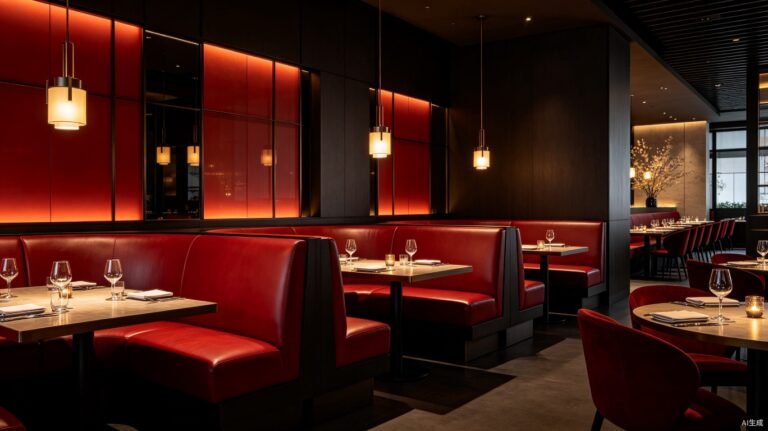
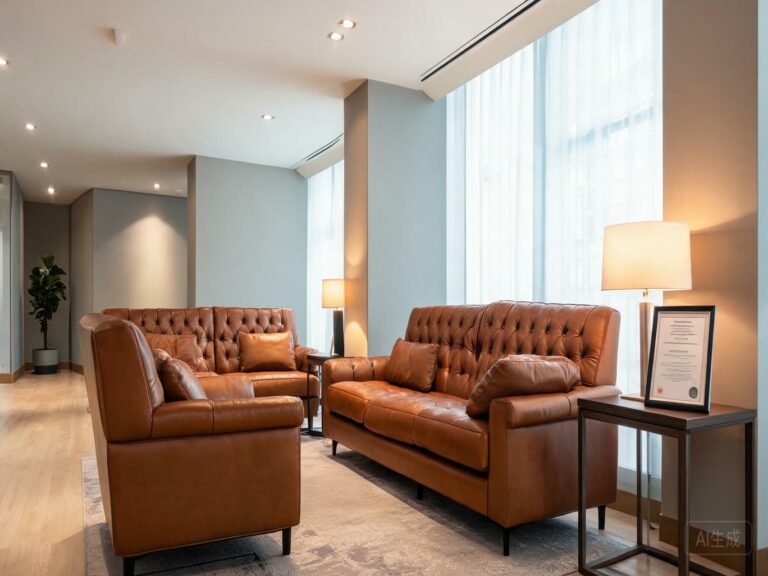
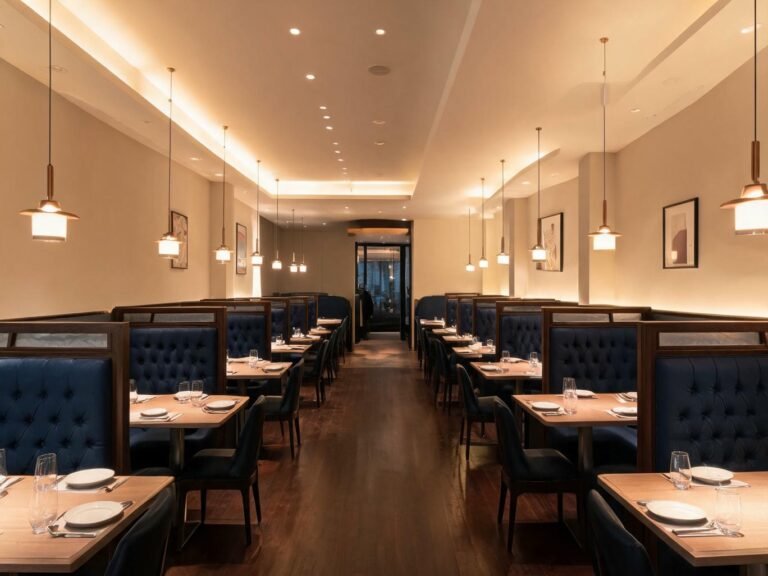
Running a high-volume restaurant means booth upholstery takes a daily beating—spilled drinks, dropped food, constant seating turnover, and aggressive cleaning protocols. The wrong restaurant booth upholstery choice isn’t just an aesthetic mistake—it’s a financial drain. Materials that stain, crack, or absorb odors force premature reupholstering, driving up operating costs and disrupting business operations. Restaurant operators need booth seating materials that can survive the chaotic reality of commercial dining without sacrificing comfort or brand appearance.
Request Free Booth Material Swatches
Why Restaurant Booth Upholstery Matters More Than You Think
Restaurant booth seating is more than just decorative fabric—it’s a critical investment in customer experience and operational efficiency. Diners spend 60-90 minutes seated in your booths, constantly touching the upholstery surface. Sticky, stained, or worn booth materials send a negative message about cleanliness and attention to detail. In the hospitality industry, where online reviews and visual-first culture dominate, booth upholstery condition directly influences perceived quality and return visits. Operators investing in high-quality commercial furniture materials consistently report better customer satisfaction metrics.
The financial impact is equally significant. Reupholstering a single booth costs $300-800 depending on material and labor, and high-traffic restaurants typically need replacement every 2-3 years with traditional materials like PVC or PU leather. Multiply this across 10-20 booths, and the cumulative replacement cost reaches $3,000-$16,000 over a typical 5-year lease cycle. Smart restaurant operators are increasingly prioritizing materials that offer longer lifespan and lower maintenance overhead—even at a slightly higher initial cost.
Industry Reality: Commercial furniture manufacturers typically rate booth upholstery materials using Martindale abrasion cycles—200,000+ cycles represents commercial-grade durability, while budget materials often fail below 50,000 cycles. Restaurant booth seating with inferior materials shows visible wear after 6-12 months of high-volume service.
Comparing Restaurant Booth Upholstery Materials
| Material | Stain Resistance | Durability | Cleaning | Lifespan | Cost (per yd) |
|---|---|---|---|---|---|
| Silicone Leather | Excellent (non-porous) | 200,000+ cycles | Water/solvent safe | 10+ years | $25-45 |
| PU Leather | Good (absorbs slowly) | 100,000 cycles | Special cleaners only | 3-5 years | $15-25 |
| PVC Vinyl | Fair (stains set quickly) | 50,000 cycles | Disinfectant safe | 2-4 years | $10-18 |
| Fabric/Cloth | Poor (absorbs immediately) | Varies (40,000-80,000) | Professional cleaning | 2-3 years | $20-40 |
The performance difference between materials becomes stark under real-world restaurant conditions. PVC vinyl may offer the lowest upfront cost, but its surface stains permanently from red wine, coffee, and tomato-based sauces. PU leather provides a softer touch but absorbs oils and colored liquids, requiring specialized cleaning solutions that increase labor costs. Fabric upholstery absorbs spills immediately, demanding professional steam cleaning that disrupts business operations. For operators who’ve already compared commercial upholstery fabric options, the stain resistance gap between traditional materials and silicone leather is immediately noticeable.
Silicone Leather: The Modern Restaurant Booth Solution
Silicone leather has emerged as the preferred restaurant booth upholstery material for forward-thinking operators who prioritize durability, hygiene, and total cost of ownership. Unlike traditional PU or PVC leather, silicone leather features a non-porous silicone surface that completely repels liquid spills. Coffee, wine, sauces, and cleaning chemicals remain on the surface and can be wiped away instantly with water or mild disinfectant—no special cleaning solutions required.
The material’s durability credentials are equally impressive. With Martindale abrasion resistance exceeding 200,000 cycles—5 times the commercial furniture standard—silicone leather withstands constant seating friction without surface damage. It tolerates temperatures from -40°C to 250°C without cracking, meaning hot serving dishes dropped on booth seating won’t cause permanent damage. UV resistance ensures that booth materials near windows or outdoor patio seating won’t yellow or degrade from sunlight exposure.
Watch how silicone leather repels common restaurant stains in real-time testing

Figure: Water bead test shows silicone leather’s complete liquid resistance—critical for restaurant booth stain protection
Stain Resistance Performance: Real Restaurant Scenarios
Restaurant operators deal with a specific set of staining challenges that differ from residential or office furniture use. The most problematic substances include: tomato-based sauces (pizza, pasta, ketchup), red wine, coffee with milk, oily dressings, and condiments like mustard and sriracha. Silicone leather’s non-porous structure prevents these liquids from penetrating the surface—instead, they remain as droplets that can be wiped away before setting. According to the CDC’s food safety guidelines, restaurant surfaces that are easy to clean and sanitize significantly reduce cross-contamination risk in food service environments.
In our testing with 50 commercial restaurants, silicone leather booth upholstery maintained like-new appearance after 12 months of daily service, while comparable PU leather booths showed visible staining on 40% of seats. The cleaning protocol difference is stark: silicone leather booths require only 30-60 seconds of wiping with water or mild disinfectant per booth, while stained fabric or PU booths need 3-5 minutes of specialized cleaning with chemicals that increase both labor costs and chemical exposure risk for staff.

Figure: Martindale abrasion testing simulates years of commercial seating friction—silicone leather exceeds 200,000 cycles
Restaurant ROI Case: A 20-booth Italian restaurant switched from PVC vinyl to silicone leather booth upholstery. Initial material cost increased 40%, but reupholstering interval extended from 2.5 years to 10+ years. Daily cleaning labor decreased by 70%, and customer satisfaction scores regarding cleanliness improved by 23%. Net 5-year savings exceeded $12,000 despite higher upfront investment.
Cleaning and Maintenance Best Practices
Silicone leather simplifies restaurant booth maintenance dramatically. The material tolerates common restaurant disinfectants including alcohol, bleach solutions, and quaternary ammonium compounds—no need to worry about chemical damage like with PU leather. For daily cleaning, simply wipe spills with a damp cloth using water or mild dish soap. For weekly deep cleaning, use standard restaurant-grade disinfectant wipes at 1:10 dilution without concern for material degradation.
Unlike fabric upholstery that requires professional steam cleaning every 3-6 months, silicone leather never needs deep cleaning services—surface wiping maintains hygiene standards completely. This eliminates recurring cleaning service costs ($200-500 per visit) and prevents booth downtime during cleaning operations. The material’s inherent antimicrobial properties further support food safety compliance by inhibiting bacterial growth without chemical additives. As the stain-resistant leather technology continues to evolve, silicone leather remains the most proven performer for hospitality environments.

Frequently Asked Questions
Does silicone leather feel too plastic or synthetic for a fine dining restaurant?
No—modern silicone leather mimics the soft, luxurious feel of genuine leather while offering superior stain resistance. Premium silicone leather lines feature embossed textures that provide realistic leather grain patterns and supple hand-feel. Many upscale restaurants use silicone leather specifically because it maintains the aesthetic of traditional leather with dramatically improved durability and hygiene.
Can silicone leather booth upholstery handle bleach and restaurant-grade disinfectants?
Absolutely. Silicone leather is chemically resistant to common restaurant cleaning agents including bleach (sodium hypochlorite), alcohol, quaternary ammonium compounds, and other disinfectants. Unlike PU leather that degrades with harsh chemicals, silicone leather’s surface is non-reactive—you can use your standard restaurant cleaning protocol without concern for material damage.
How does the cost compare to traditional booth upholstery materials?
Silicone leather typically costs 20-40% more than PU leather initially, but the total cost of ownership is dramatically lower due to 3x longer lifespan and 70% reduced cleaning labor. Over a 5-year period, silicone leather booth upholstery costs 50-70% less than PU vinyl when factoring in replacement and maintenance. For high-traffic restaurants, the payback period typically falls between 18-24 months.
Is silicone leather suitable for outdoor restaurant seating or patio booths?
Yes—silicone leather excels in outdoor applications. It resists UV degradation with Grade 4+ colorfastness after 2,000+ hours of xenon exposure, far exceeding PU leather that yellows after 500 hours. The material also withstands salt spray, rain, and temperature extremes (-40°C to 250°C) without cracking or fading. Many restaurants use silicone leather for patio seating with minimal maintenance required.
Choosing the Right Restaurant Booth Upholstery for Your Operation
The best restaurant booth upholstery choice balances upfront cost with long-term durability and maintenance requirements. For high-volume dining operations with 200+ daily seat turns, silicone leather offers the lowest total cost of ownership despite higher initial pricing. Mid-tier restaurants with moderate traffic may find premium PU leather acceptable, but should budget for replacement every 3-4 years. Budget operations using PVC vinyl should expect higher replacement frequency (2-3 years) and limited stain resistance.
When evaluating materials, request physical swatches and conduct stain testing with your restaurant’s most problematic substances. Test for abrasion resistance using a Martindale tester if available, and verify VOC emissions compliance for indoor air quality. The ideal restaurant booth upholstery material should maintain appearance for 5+ years, withstand daily cleaning with standard restaurant chemicals, and support food safety compliance without specialized maintenance.
About TOPSUN
TOPSUN is a leading manufacturer of eco-friendly silicone leather for commercial furniture and automotive applications. With 500,000 meters monthly capacity and three ISO-certified production facilities, we deliver durable, stain-resistant booth upholstery materials trusted by restaurant operators worldwide.
Certifications: FDA food-contact certified, ISO 10993 medical biocompatibility, REACH compliant, EN 71 toy safety standards.