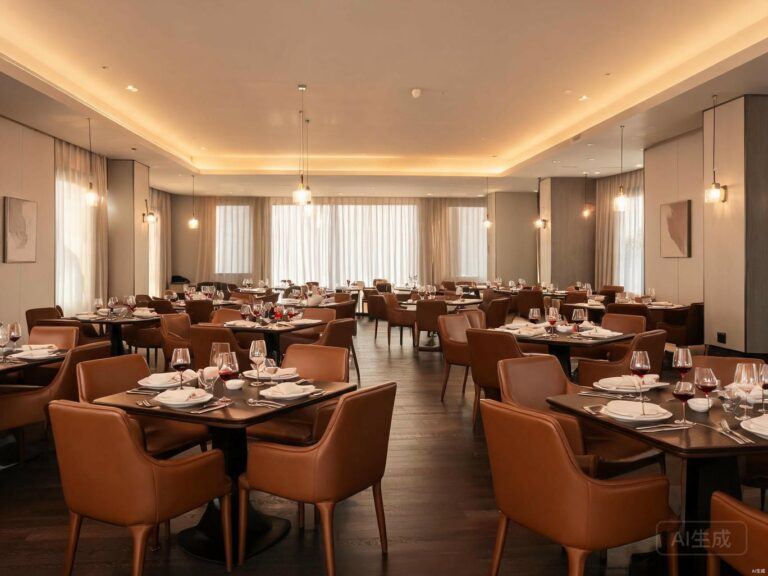
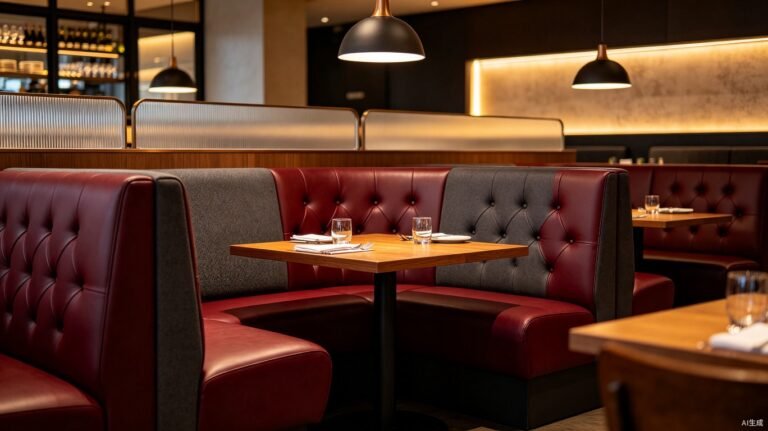
A restaurant booth is arguably the hardest-working seat in commercial interiors. It gets sat in, spilled on, wiped down and climbed over dozens of times a day, then expected to look fresh for the next guest within seconds. Pick the wrong restaurant booth seating material and the cost shows up fast — in stained cushions, torn seams, guest complaints and a reupholstery bill that arrives years before the renovation budget planned for it. This guide compares the materials that compete for booth seating in high-turnover dining, benchmarks them against what a busy kitchen actually throws at a surface, and explains why silicone leather has become the go-to spec for chains that count every table-turn.
What High-Turnover Dining Does to a Booth
Fast-casual and chain restaurants can turn a booth over six to ten times per service. That means constant friction from guests sliding in and out, impact from bags and trays, and a relentless rotation of spills — ketchup, cooking oil, coffee, wine, hot sauce, and the dye that bleeds out of dark denim. Add the cleaning regime: staff hitting the surface with sanitizer between every seating, sometimes with whatever chemical is on the cart.
The failure points are predictable. Seams split first, because repeated flexing at the seat edge concentrates stress. Then the surface itself degrades — woven fabric pills and stains at the weave, PU coatings crack and peel where the foam compresses, and PVC grows sticky as plasticizers migrate under body heat. None of these are cosmetic issues you can live with; they read as “unclean” to a guest, even right after a wipe-down. For seating that follows similar abuse patterns, our faux leather for cinema guide covers the same durability logic.

Restaurant Booth Seating Material: The Core Requirements
Before comparing chemistries, it helps to define what a booth surface must actually deliver. Based on what procurement teams specify for high-volume chains, five requirements are non-negotiable.
- Stain proof, not just stain resistant: oil, sauce and dye transfer must wipe off with water, not leave a ghost mark.
- Disinfectant tolerance: the surface survives repeated wiping with bleach, quat and alcohol without fading or tackiness.
- Abrasion headroom: Martindale well above 50,000 cycles, because booth edges abrade far faster than flat seats.
- Flame compliance: public-assembly fire codes (NFPA 101, BS 5852 Crib 5, Cal TB 117) apply to dining seating.
- Food-safe chemistry: no plasticizer migration or heavy metals, especially in family and quick-service settings.
From the floor: One chain reported that switching booth upholstery to silicone leather cut average table-turn cleaning time from 90 seconds to under 30 — because staff no longer needed stain removers or a second wipe. Over a year, that recovered roughly 40 minutes of labor per shift.
Material Comparison: Silicone vs PU vs PVC vs Fabric
Each material trades off differently against the five requirements above. The table below benchmarks the four chemistries most commonly specified for restaurant booths.
| Property | Woven Fabric | PVC | PU | Silicone Leather |
|---|---|---|---|---|
| Oil/sauce cleanup | Poor — penetrates weave | Fair | Fair | Excellent — water wipe |
| Disinfectant tolerance | Low | Medium | Medium | High — alcohol, bleach, quat |
| Martindale | 30,000–50,000 | ~50,000 | ~50,000 | ≥ 200,000 |
| Plasticizer migration | N/A | High | Medium | None |
| Flame rating | Varies | Needs additives | Needs additives | EN 13773 Class 4, no additives |

The pattern is consistent across every row. Woven fabric loses on cleanup and disinfection because its structure absorbs. PVC and PU lose on migration and flame additives. Silicone leather is the only option that scores well on all five requirements simultaneously — which is exactly why it carries a higher upfront cost but a lower total cost of ownership. For more on durability testing methodology, our faux leather sofa resource covers how abrasion translates to real-world lifespan.
Stain Resistance and the 30-Second Turnaround
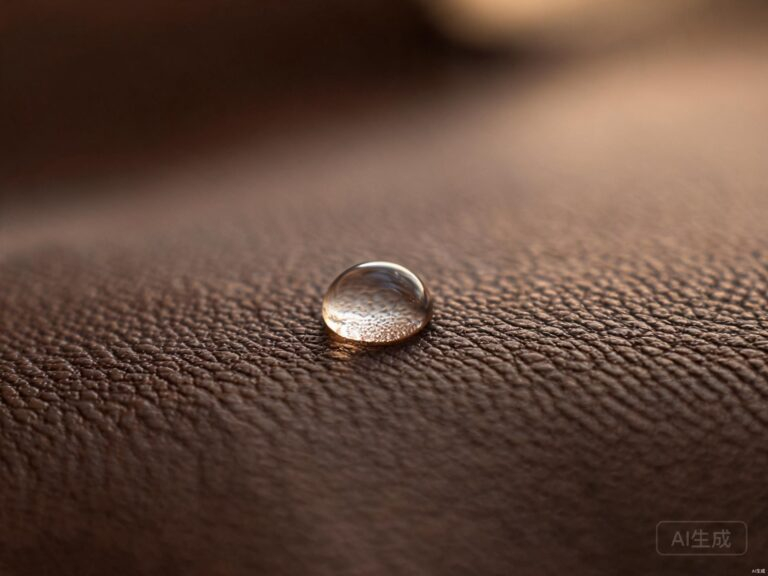
In a busy dining room, the gap between one guest leaving and the next sitting down is measured in seconds. A material that needs a stain remover, a dwell time and a dry wipe breaks that rhythm — staff either rush and leave residue, or they make guests wait. Silicone leather’s non-porous surface solves this directly: liquids bead, and a single pass with a damp cloth removes oil, sauce, coffee and dye transfer with no trace.

Sauce, oil and ink wipe off silicone leather instantly — the 30-second turnaround a busy dining room needs.
The deeper advantage is what does not happen over time. Because nothing penetrates the surface, there is no gradual buildup of odor or discoloration — the booth looks the same in month eighteen as it did at install. That longevity is what protects brand consistency across a multi-location chain, where a tired-looking booth in one outlet undermines the whole concept. For cleaning and care protocols across material types, our synthetic leather cleaner care guide is a useful reference.
Flame and Food-Safety Compliance
Restaurants are public-assembly spaces, so booth seating falls under fire codes that vary by jurisdiction — NFPA 101 life-safety in the US, BS 5852 Crib 5 in the UK, Cal TB 117 in California. Silicone leather meets EN 13773 Class 4 and is self-extinguishing without chemical flame retardants, simplifying compliance across regions [1]. On the food-safety side, the material carries FDA food-contact approval and ISO 10993-5 biocompatibility, meaning there is no plasticizer migration or heavy-metal exposure — relevant in family dining where children touch and even mouth the seat edge. The full furniture and sofa applications range, including commercial dining furniture, is built around these certifications.
Frequently Asked Questions
What is the most durable restaurant booth seating material?
For high-turnover dining, silicone leather offers the best combination of abrasion resistance (Martindale ≥ 200,000), stain proofness and disinfectant tolerance. It outlasts PU, PVC and woven fabric across the full failure spectrum, lowering total cost of ownership despite a higher upfront price.
How do you clean silicone leather booth seating?
Wipe with a damp cloth and water — that handles oil, sauce, coffee, wine and dye transfer. For sanitizing between seatings, standard disinfectants (alcohol, bleach solution, quat) are all safe to use without damaging the surface or fading the color.
Is silicone leather food-safe for restaurant use?
Yes. It carries FDA food-contact approval (21 CFR 175.300) and ISO 10993-5 biocompatibility, with no plasticizer migration or heavy metals. This makes it suitable for family and quick-service dining where guest contact with the surface is frequent.
Choosing Restaurant Booth Seating Material That Cuts TCO
The right restaurant booth seating material is the one that holds up to oil, abuse, disinfectant and fire code without needing replacement before the renovation cycle. Silicone leather is the only chemistry that clears all five core requirements at once — stain-proof cleanup, disinfectant tolerance, four-times-headroom abrasion, additive-free flame compliance and food-safe certification. For chains counting table-turns and labor minutes, the upfront premium pays back through faster cleaning, fewer complaints and a booth that still looks brand-new eighteen months in. The next step is to run real kitchen stains against a sample and see the difference for yourself.
About TOPSUN
TOPSUN Silicone Leather Co., Ltd. supplies stain-proof, food-safe silicone leather to commercial dining and hospitality clients across 30+ countries. With 6,000,000 m annual capacity and Pantone-matched color customization, we help chains standardize booth seating that lasts the full renovation cycle.
Relevant certifications: FDA food-contact (21 CFR 175.300), ISO 10993-5 biocompatibility, REACH SVHC-free, PAHs-free, EN 13773 Class 4 flame retardancy, Martindale ≥ 200,000 cycles.