Half the PU-covered sofas sold today start peeling within three years. Well-maintained genuine leather seating lasts ten to twenty. That gap, not the smell test or the water-drop trick, is what should actually drive your material decision as a buyer.
This article compares pu leather and genuine leather the way procurement teams should: composition, real-world lifespan, care requirements, and five-year cost. Silicone leather joins the table as a third option, because in several service environments it changes the verdict entirely.
| Dimension | PU Leather | Genuine Leather | Silicone Leather |
|---|---|---|---|
| Composition | Polyurethane coating on fabric backing | Tanned animal hide | Silicone polymer coating on fabric backing |
| Typical lifespan | 1-3 years before cracking or peeling | 10-20+ years with care | 10-15 years, zero hydrolysis |
| Water behavior | Repels water, non-porous | Absorbs slowly, darkens | Repels water, non-porous |
| UV / yellowing | Yellows with additive oxidation | Patinas, darkens naturally | 1,500+ hours UV, no fading |
| Maintenance | Mild soap only; alcohol damages it | Conditioning products required | Alcohol-safe hospital-grade wipes |
| Price trend | Stable, oil-linked | Volatile, hide-market driven | Stable, sand-derived polymer |
What PU Leather and Genuine Leather Actually Are
PU leather is a split-definition product. A polyurethane layer is coated onto a polyester or cotton backing, then embossed with a grain pattern. Nothing about it comes from an animal. That is not automatically a problem, but it explains every performance difference downstream: the coating, not a hide, carries the wear.
Genuine leather is tanned hide, and the label hides a quality ladder. Full-grain sits at the top with the natural surface intact. Top-grain is sanded and corrected. “Genuine leather” on a retail tag often means the lowest usable cut, bonded from scraps and heavily coated. Buyers who spec “genuine” without a grade routinely receive three different materials from three different quotes.

Ask for tensile and tear data per lot, regardless of which material family you buy.
Durability: How Long Does PU Leather Last vs Hide
Independent consumer testing puts genuine leather at 10-20+ years with reasonable care. PU covering on frequently used furniture typically cracks or peels in 1-3 years. The failure mode is chemical, not mechanical: PU absorbs moisture, hydrolyzes, and loses adhesion from the inside out.
In our climate-chamber runs at 85°C and 85% relative humidity, conventional PU samples show delamination within weeks. Silicone-coated equivalents come out of the same chamber with no strength loss or surface degradation. Abrasion tells a similar story. Our High Performance silicone line is specified at 200,000+ Martindale cycles for contract seating, which is the tier airports and cinemas buy.
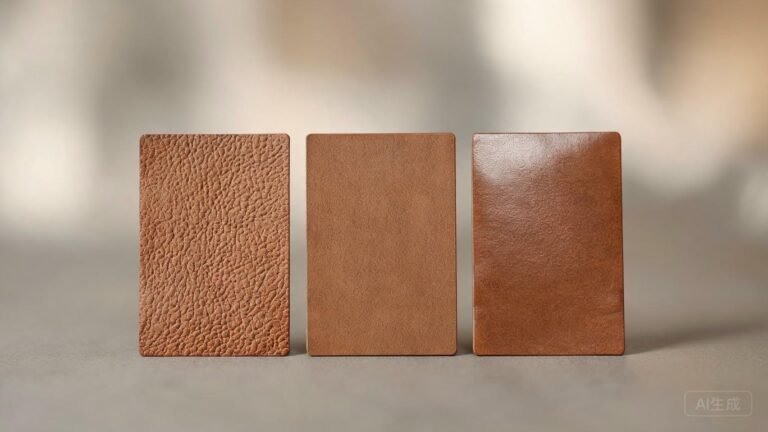
Side-by-side material comparison: where silicone coating outlasts both PU and hide under repeated stress.

Martindale testing separates contract-grade material from retail-grade covering.
The Cost Equation: Upfront Price vs 5-Year TCO
PU wins the purchase-order moment. It is the cheapest leather-look material per meter, and for a promotional product with a two-year life, that can be the right call. The math changes for anything meant to serve longer than the warranty.
A hotel with 300 PU-covered chairs will reupholster or replace most of them inside five years. Genuine leather avoids that cycle but carries hide-market volatility, and full-grain pricing has been climbing for years. We walked one café chain through the numbers on bar stools: PU looked 40% cheaper on paper, then lost the comparison once a second reupholstery round was added. Silicone came out ahead on five-year cost despite the higher meter price, mainly because it stayed in service.
The practical takeaway: never compare material quotes without a replacement-cycle assumption in writing. A high-mileage application like automotive interiors punishes short-cycle materials harder than almost any furniture program.

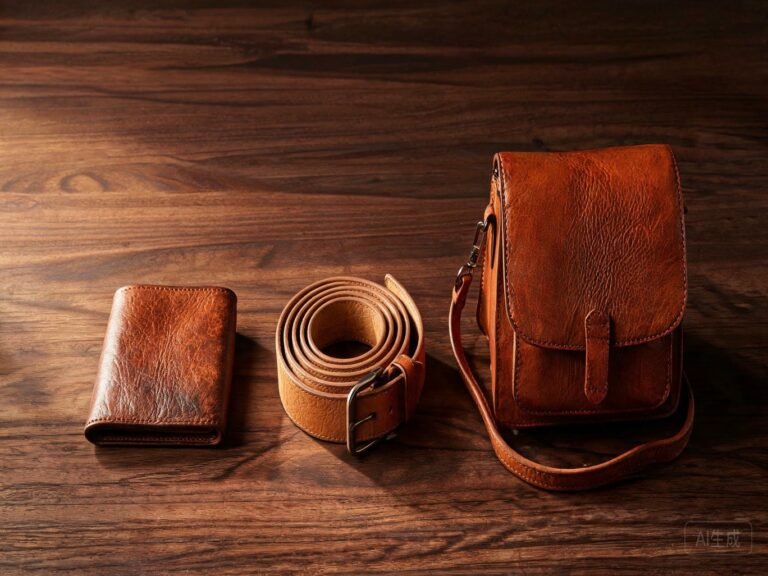
PU upholstery: lowest upfront cost, highest replacement frequency in commercial service.
Spec Sheet Red Flags: What a Low Quote Hides
Quotes for both materials vary wildly, and the spread is usually explained by what the spec sheet leaves out. Before signing, scan every offer for these gaps:
- No named test standards. “Highly durable” means nothing; ISO 12947 Martindale figures mean something. Push every claim into a numbered test.
- “Genuine leather” without a grade. Bonded scraps and full-grain hides can share a label. Demand the cut: full-grain, top-grain, or bonded.
- No batch color tolerance. If the quote is silent on Delta E, expect shade drift between production runs.
- Silence on hydrolysis. Any PU quote that skips aging data is skipping its own shortest lifespan question.
- Pricing with no basis weight or thickness. A 0.6 mm PU and a 1.2 mm PU are different products at different lifetimes.
One of our European clients learned this the hard way before switching to us. Their previous PU order arrived 30% thinner than the approved swatch, thin enough that the coating split during upholstery. The quote had listed a price but never a thickness. Thickness, grade, and test standards are the three numbers that make quotes comparable; everything else is negotiation dressing.
Care, Cleaning, and What Happens After Installation
Genuine leather needs feeding. Conditioning products, controlled humidity, and prompt spill care keep hide seating alive for decades. Skip the maintenance and even full-grain cracks along the flex points first.
PU is fragile in a different way: it hates modern hygiene. Alcohol-based sanitizers and quaternary disinfectants attack the coating, which became a real problem the moment daily wipe-downs became standard in offices and clinics. Silicone coating tolerates hospital-grade disinfection, with Level 5 stain resistance and alcohol-safe cleaning verified in our test lab. For buyers specifying hydrolysis-resistant material for humid or high-hygiene spaces, this is usually the deciding column.

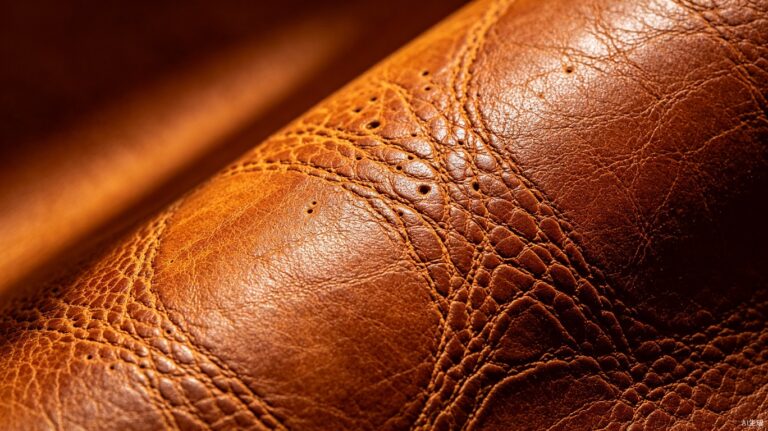
Top-grain hide: unmatched hand-feel, but it demands a maintenance budget for its full lifespan.
How Each Material Fails: Peeling, Cracking, and Fading
Knowing the failure signature of each material changes what you inspect at incoming QC. Failures are predictable, which means they are screenable before goods leave the factory.
- PU peels from the edges first. Hydrolysis breaks coating-to-backing adhesion, so look for lifting at seams and cut edges. A flex test on a sample swatch exposes weak adhesion in days.
- Genuine leather cracks at flex points. Undersized or over-thinned hide dries out and splits where seating bends. Check the grain for pre-existing correction marks that telegraph future cracks.
- PU yellows under UV. Additive oxidation discolors light shades first. A UV report in hours, not adjectives, is the only defense worth having.
- Silicone’s main risk is the substrate. The coating itself resists hydrolysis and UV, so bonding quality decides everything. In our production line, in-line coating thickness monitoring and curing temperature verification exist precisely for this reason.
A word from experience: buyers who inspect incoming rolls against a written failure-mode checklist catch problems that sample approval alone misses. Sample swatches get the best coating of the batch. Production rolls occasionally do not, and multi-stage QC with spectrophotometer Delta E checks is what keeps the two identical.
Where a Third Option Beats Both
Silicone leather occupies the gap this comparison exposes. It is 100% animal-free like PU, so it clears the same vegan and REACH-compliance requirements. It keeps a stable price unlike hide. And it survives the hydrolysis and alcohol exposure that end PU service life early. The tradeoffs are honest ones: higher meter cost than PU, and less patina romance than full-grain. For spec-driven commercial projects, those tradeoffs rarely decide the outcome. If you want the direct head-to-head, our silicone vs PU comparison covers the test data line by line.
Which One Should You Buy?
Match the material to the service window, not the sample-book feel. Use this decision table:
| If you need… | Choose |
|---|---|
| 10+ year service life, sun or humidity exposure | Silicone leather |
| Heritage look and patina for a premium brand story | Full-grain genuine leather |
| Lowest upfront cost for short-life products | PU leather |
| Contract seating with daily disinfection | Silicone leather |
Choosing between pu leather and genuine leather is really a choice between replacement cycles and maintenance budgets. Price both honestly, and the right material usually picks itself.
Get Side-by-Side Material Samples
Is PU leather real leather?
No. PU leather contains no hide; it is polyurethane on fabric. Confusion comes from labels like “genuine leather” on bonded products, which do contain real hide fiber but in the lowest grade. Ask suppliers for a composition statement, not a marketing name.
Does genuine leather always outlast PU?
In unconditioned commercial settings, not always. Low-grade bonded leather can fail as fast as PU, while well-maintained full-grain lasts decades. Grade and maintenance, not the word “genuine,” determine the outcome.
Can you tell PU from hide without lab equipment?
Three quick checks cover most cases. Smell: hide reads earthy, PU reads chemical. Water: a drop soaks into hide slowly and darkens it, while it beads on PU. Edges: cut hide shows fibrous layers, coated PU shows a smooth laminated line. For a purchase order, though, insist on composition documentation, because finished surfaces can defeat all three.
Request a 5-Year Cost Comparison
About TOPSUN
TOPSUN supplies silicone leather to procurement teams replacing PU or hide programs in furniture, automotive, and contract seating projects.
500,000 m monthly capacity, 500 m MOQ, 7-15 day delivery, and SGS test reports with every order across 30+ export markets.
References
1. https://usaleathercraft.com/blogs/news/real-vs-… — Lifespan comparison: genuine leather 10-20+ years with care vs fake leather 1-3 years before cracking or peeling