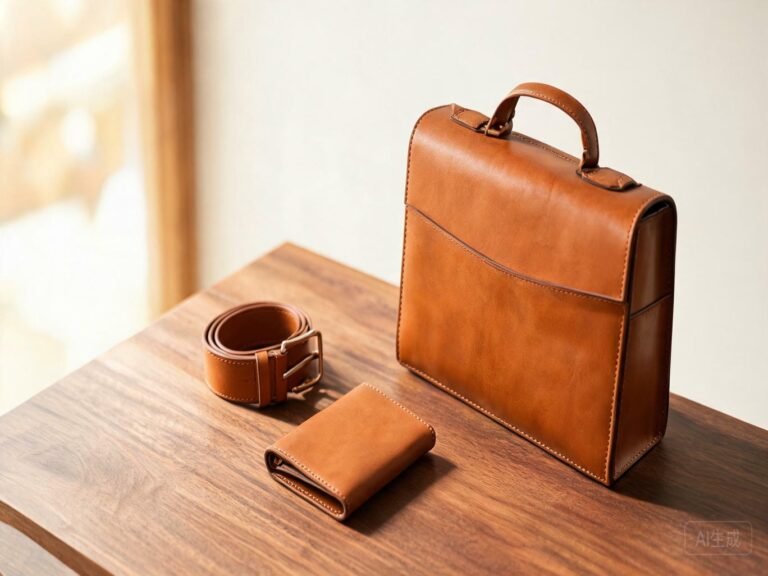
In our materials lab, we’ve tested hundreds of samples labeled “genuine leather” from B2B suppliers across three continents. The pattern is consistent: the word “genuine” sounds premium, but it actually represents the third-best grade of real leather—below full-grain and top-grain. Understanding the difference between leather and genuine leather isn’t just semantics. It directly impacts material performance, warranty exposure, and unit cost across automotive, furniture, and consumer goods manufacturing.
Request Free Material Grade Samples
The Difference Between Leather and Genuine Leather Explained
Leather refers to any material made from animal hides—cowhide, sheepskin, pigskin, and others. Genuine leather is a specific grade within that broad category, not a quality endorsement. The leather grading system sorts hides into four tiers based on how much of the original grain surface remains intact and uncorrected.
Here’s where the confusion starts: marketers use “genuine leather” as a catch-all phrase implying authenticity and quality. But in tannery terminology, it refers to a specific layer of the hide that has been sanded, buffed, and coated to correct imperfections. For a deeper look at how synthetic alternatives bypass this grading problem entirely, see our silicone leather introduction.

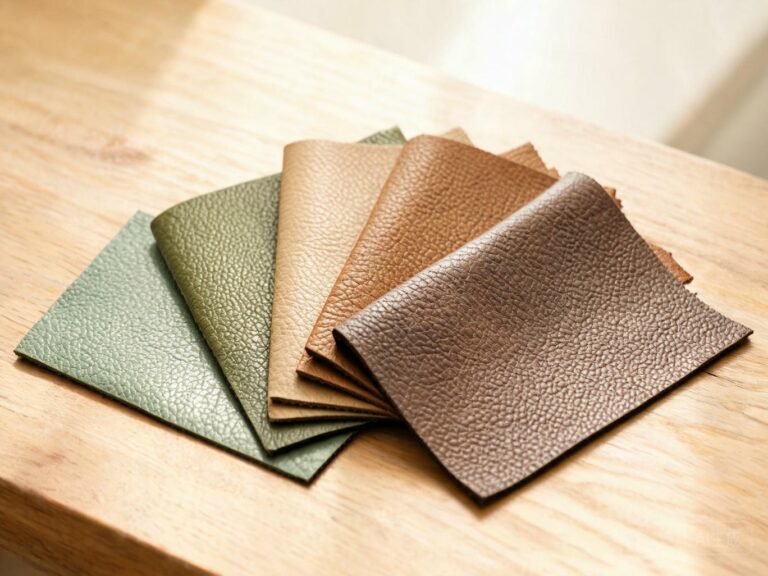
Leather swatch racks like this one show the visible quality range across grades—full-grain samples retain natural grain, while genuine-grade samples show uniform coated surfaces.
What “Genuine Leather” Actually Means: The Lowest Real Grade
To understand what does genuine leather mean in practice, you have to look at how it’s made. After the top grain is split away for premium applications, the remaining lower layers—called the split or genuine layer—still contain real leather fiber. But they lack the dense, natural grain surface that gives leather its structural strength and character.
Tanneries compensate by applying heavy surface coatings, embossing artificial grain patterns, and sometimes bonding fiber layers together. The result looks like leather because it is leather—but with significantly reduced durability. If you’ve ever wondered whether genuine leather equals real leather, the answer is yes—but “real” and “durable” are not the same thing.
| Grade | Source Layer | Surface Treatment | Martindale Cycles | Typical Application |
|---|---|---|---|---|
| Full-Grain | Top layer, uncorrected | None—natural grain retained | 50,000+ | Luxury furniture, premium automotive |
| Top-Grain | Top layer, corrected | Sanded and refinished | 25,000–50,000 | Mid-range furniture, footwear |
| Genuine | Mid-to-lower layers | Heavily coated, embossed | 15,000–25,000 | Budget upholstery, accessories |
| Bonded | Scraps + adhesive | Reconstituted and coated | 5,000–15,000 | Low-cost goods, linings |

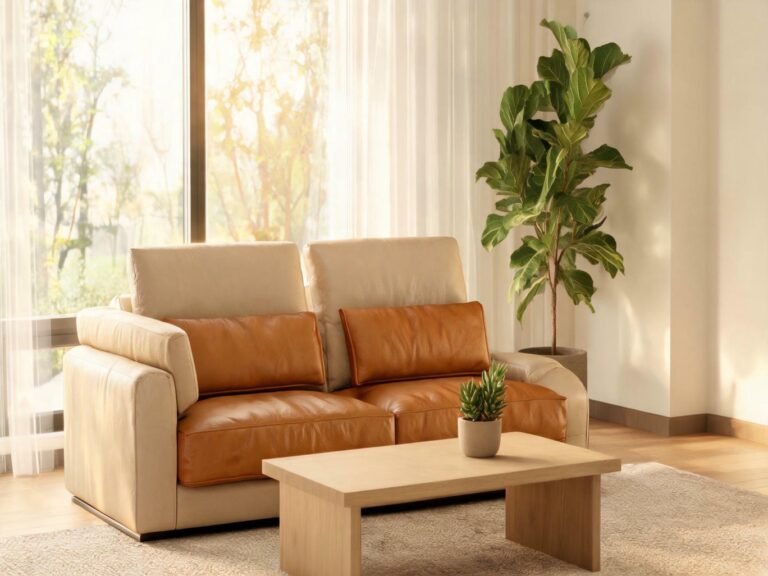
Top-grain and genuine leather applications side by side—the visible difference in grain depth and coating uniformity reveals the grade gap.
Why the Difference Between Leather and Genuine Leather Affects Your Specs
When procurement teams specify “genuine leather” without grade clarification, they’re accepting the widest quality variance in the leather supply chain. Two suppliers can ship “genuine leather” that looks identical but performs drastically differently—one might deliver 20,000 Martindale cycles, another 12,000. The genuine leather vs full grain leather performance gap can exceed 3x in abrasion resistance alone.
In our testing lab, we’ve run Martindale abrasion tests on genuine-grade samples from five different suppliers using the same ASTM International testing protocols. Results ranged from 14,000 to 23,000 cycles—a 64% variance within the same grade label. That spread makes warranty cost forecasting nearly impossible for B2B manufacturers who need predictable material performance.
Key insight: Specifying “genuine leather” on a BOM without grade-level test data is the material equivalent of specifying “metal” without naming the alloy. Both are technically correct—and both create unmanageable quality risk.

A full swatch display wall reveals why grade matters more than color—surface coatings on genuine-grade leather can mimic premium textures visually but fail under stress testing.
Beyond Genuine Leather: When Silicone Outperforms Real Leather
Silicone leather vs genuine leather isn’t an apples-to-oranges comparison—it’s a question of predictable versus unpredictable performance. Silicone leather is manufactured to a single, consistent grade. Every roll delivers the same Martindale rating, the same UV resistance, and the same temperature tolerance, because the coating chemistry is controlled from raw material through cure. There’s no hide-layer lottery.
Our silicone leather consistently delivers 200,000+ Martindale abrasion cycles—matching or exceeding full-grain leather performance. It operates from -40°C to 250°C without cracking, compared to genuine leather’s typical limit of 80°C before coating degradation begins. For a detailed performance comparison, see our silicone vs PU material analysis, which covers the same testing framework.
The grading problem doesn’t exist with silicone leather because there’s no animal hide to grade. For B2B buyers navigating top-grain versus genuine leather sourcing decisions, switching to a single-grade synthetic eliminates the specification ambiguity entirely.
Watch how silicone leather performs against genuine leather in head-to-head material comparison testing.
Frequently Asked Questions
Is “genuine leather” the same as real leather?
Yes, genuine leather is real leather—it’s made from animal hide. But “real” only means the material contains actual leather fiber, not that it’s high quality. Genuine leather is the third-highest grade, below full-grain and top-grain. A product stamped “genuine leather” could deliver as little as 15,000 Martindale abrasion cycles, while full-grain leather from the same animal would exceed 50,000.
Can bonded leather be legally labeled “genuine leather”?
In most jurisdictions, bonded leather cannot be labeled as “genuine leather” because it contains less than 100% leather fiber—it’s a mix of leather scraps and polyurethane or latex binders. However, labeling regulations vary by country, and the line between “genuine” and “bonded” can blur when fiber content isn’t clearly disclosed. Always request a material composition certificate from your supplier before committing to volume orders.
Stop Guessing—Specify with Certainty
The difference between leather and genuine leather comes down to this: “leather” is the material, “genuine” is a grade—and not the best one. When you specify materials for products that carry warranty obligations, that distinction matters. Full-grain leather offers premium performance at premium cost. Genuine leather offers unpredictable performance at mid-range cost. Silicone leather offers full-grain-level performance at controlled, predictable cost—every roll, every batch, every time.
About TOPSUN
TOPSUN manufactures silicone leather that bypasses the grading ambiguity inherent in the difference between leather and genuine leather, supplying automotive, furniture, and consumer electronics manufacturers with a single-grade, certification-backed material.
200,000+ Martindale cycles matching full-grain performance, zero-VOC solvent-free coating process, and ISO 10993 biocompatibility certification for skin-contact applications.