When healthcare facilities select upholstery materials, safety and regulatory compliance are non-negotiable. Medical-grade silicone leather has become the preferred material for hospitals, clinics, and medical device manufacturers across the globe, delivering reliable biocompatibility, superior antimicrobial resistance, and full compliance with the most stringent international industry standards. In this guide, we elaborate on its essential certifications, core performance advantages, and practical healthcare applications, proving why it is a far superior alternative to traditional PVC and PU leather.
Looking for certified medical-grade silicone leather for your healthcare project?
What Is Medical Grade Silicone Leather?
Medical-grade silicone leather is a high-performance composite material constructed by coating a textile substrate with a premium silicone polymer layer, specifically engineered to meet strict healthcare regulatory requirements. Unlike conventional PVC or PU faux leather, it contains no plasticizers, phthalates, or heavy metal stabilizers, completely eliminating chemical exposure risks for healthcare institutions and patients.
The global silicone synthetic leather market reached USD 184 million in 2023 and is projected to grow at a 34.1% CAGR through 2030, primarily driven by the widespread replacement of PVC materials in medical and healthcare settings. As regulatory authorities worldwide continue to tighten restrictions on hazardous substances, medical-grade silicone leather has become a mainstream strategic choice for forward-thinking material and medical equipment manufacturers.
The material’s greatest advantage lies in its inherent biocompatibility. Its stable Si-O-Si polymer backbone is chemically inert, non-toxic, and non-irritating to human skin, making it ideal for surfaces with direct or indirect human contact during medical procedures, patient transportation, and long-term patient care scenarios.
Key Certifications & Standards Explained
Understanding relevant industry certifications is essential for procurement specialists and engineers who source and specify materials for medical environments. Below are the authoritative global standards that qualified medical-grade silicone leather must fully comply with.

ISO 10993 — Biocompatibility Testing
ISO 10993 is the globally recognized standard series for evaluating the biological safety of materials used in medical devices. The core standard ISO 10993-1:2018 establishes a risk-based assessment framework to evaluate cytotoxicity, skin sensitization, skin irritation, and systemic toxicity of medical materials.
Medical-grade silicone leather that passes full ISO 10993 testing is verified to be non-cytotoxic, non-irritating, and non-sensitizing for surface contact applications. This serves as the fundamental safety certification that healthcare specifiers prioritize when reviewing material safety credentials.
FDA Compliance & USP Class VI
For the U.S. market, the FDA requires ISO 10993 biocompatibility test data as a mandatory component of 510(k) premarket notifications for medical devices. Additionally, USP Class VI certification issued by the United States Pharmacopeia is widely acknowledged as proof that silicone elastomers meet the highest biological safety benchmarks for medical-grade polymer materials.
For healthcare scenarios involving food-contact surfaces, compliance with FDA 21 CFR Part 177.2600 further validates the material’s safety for direct food contact.
REACH & RoHS — European Regulatory Compliance
In accordance with the EU’s REACH Regulation (EC) No 1907/2006, medical-grade silicone leather offers inherent compliance advantages, as silicone polymers are not listed in the SVHC (Substances of Very High Concern) candidate list. Unlike PVC leather, which commonly contains restricted phthalates and lead-based stabilizers, silicone leather is completely free of these hazardous substances.
Similarly, it fully complies with the RoHS Directive 2011/65/EU, meeting the limit requirements for 10 restricted substances including lead, mercury, cadmium, and four types of phthalates (DEHP, BBP, DBP, DIBP).
CE Marking & EU MDR 2017/745
CE marking under the EU Medical Device Regulation (MDR) 2017/745 is mandatory for all medical products sold within the European Economic Area (EEA). Medical devices integrated with silicone leather must prove that the material satisfies the General Safety and Performance Requirements (GSPR) specified in MDR Annex I, with ISO 10993 biocompatibility certification as a core prerequisite.
Antimicrobial Properties: Why It Matters in Healthcare
Healthcare-associated infections (HAIs) remain a major challenge for medical facilities worldwide. Selecting high-performance antimicrobial leather for hospital furniture and medical equipment surfaces is a critical part of hospital infection control strategies.

Inherent Antimicrobial Resistance
Medical-grade silicone leather delivers reliable antimicrobial protection through multiple physical mechanisms. Its non-porous surface effectively blocks bacterial colonization and biofilm formation. The chemically inert Si-O-Si molecular backbone cannot serve as a nutrient source for microorganisms, while the material’s natural hydrophobic properties repel moisture, creating an unfavorable environment for pathogen proliferation.
Unlike natural leather with porous fiber structures that easily trap bacteria and fungi, silicone leather features a dense, seamless surface that eliminates microbial hiding spots entirely.
ISO 22196 Antimicrobial Testing
The antimicrobial performance of silicone leather is quantified and certified per ISO 22196:2011 (equivalent to Japan’s JIS Z 2801 standard). This international standard evaluates antibacterial activity against Gram-positive Staphylococcus aureus and Gram-negative Escherichia coli via a quantitative agar cover test method.
Materials achieving an Antibacterial Activity Value (R) ≥ 2.0 deliver a bacterial reduction rate of over 99% within 24 hours, meeting the official threshold for “strong antibacterial effect”. Premium medical silicone leather manufacturers provide complete ISO 22196 third-party test reports as standard technical documentation.
Compatibility with Hospital-Grade Disinfectants
In addition to inherent antimicrobial performance, medical-grade silicone leather withstands frequent cleaning and sterilization with alcohol-based solutions, bleach, iodine disinfectants, and quaternary ammonium compounds without surface cracking, discoloration, or material degradation. This is a pivotal advantage over traditional PVC and PU leather, which deteriorate or release residual plasticizers under harsh hospital disinfection protocols.
For facility managers, this outstanding chemical resistance significantly reduces long-term maintenance costs and extends service replacement cycles.
Need technical data and certification documents for your project specification?
Healthcare Applications Across Medical Environments
From patient beds to surgical tables, medical-grade silicone leather is widely specified for diverse healthcare scenarios. Its unique combination of biocompatibility, exceptional durability, and easy cleanability makes it the preferred hospital leather material for architectural designers and medical equipment manufacturers.

Hospital Furniture & Patient Care Surfaces
Medical-grade silicone leather is extensively used for upholstering patient beds, stretchers, exam tables, dental chairs, and wheelchair cushions. In these high-frequency contact scenarios, the material resists persistent exposure to blood, bodily fluids, and medical disinfectants while retaining stable structural integrity and original appearance.
Key benefits include zero VOC and plasticizer off-gassing (superior to PVC), hypoallergenic properties for sensitive patient groups, and effortless sanitization between patient visits, supporting efficient operational turnover in busy clinical environments.
Medical Device Upholstery & Equipment Surfaces
Beyond hospital furniture, this premium material is applied to surgical table pads, patient positioning straps, blood pressure cuff covers, tourniquet straps, and medical cart surfaces. Its reliable biocompatibility and chemical resistance ensure full patient safety and regulatory compliance for all medical device applications.
Infant & Pediatric Care Environments
As a phthalate-free and non-toxic material, medical-grade silicone leather is particularly suitable for neonatal intensive care units (NICUs) and pediatric wards. It completely eliminates the risk of endocrine-disrupting phthalate leaching associated with traditional PVC leather, delivering maximum safety for infants and young children.
To learn more about the durability advantages of silicone leather over conventional faux leather for healthcare furniture, check our in-depth comparison: Faux Leather Furniture Durability: Why Silicone Outperforms.
Cleanroom Leather: Meeting ISO 14644 Requirements
Materials used in pharmaceutical manufacturing, biotech laboratories, and semiconductor facilities must comply with strict cleanroom standards. Medical-grade silicone leather is perfectly optimized for these controlled, high-purity environments.

Low Particle Emission & Low Outgassing
Per the ISO 14644-1:2015 standard, cleanrooms are classified by airborne particle concentration (ISO Class 1 to ISO Class 9). Medical-grade silicone leather supports high-standard cleanroom compliance as it produces no fiber shedding or particle contamination during use, fully meeting the requirements of ISO Class 100 (ISO Class 5) and higher cleanroom environments.
Furthermore, its ultra-low VOC and chemical outgassing properties comply with ISO 14644-8 airborne chemical concentration regulations and ISO 14644-15 material suitability assessment criteria. Unlike solvent-based PU and PVC leather that release residual solvents and plasticizers, silicone leather introduces no chemical pollutants to cleanroom atmospheres.
Cleanroom-Compatible Cleaning Protocols
Silicone leather can be safely cleaned and sterilized with professional cleanroom-grade disinfectants without physical or chemical degradation, maintaining stable performance and cleanroom compatibility throughout its entire service life. This makes it ideal for pharmaceutical compounding rooms, standard cleanroom operating theaters, and medical device manufacturing workshops.
Why Choose TOPSUN for Medical Grade Silicone Leather?
Selecting a reliable supplier for medical-grade materials requires strict verification of certification validity, manufacturing capabilities, and professional technical support. As a specialized premium silicone leather manufacturer, TOPSUN provides one-stop compliant material solutions for global healthcare projects.
Comprehensive Certification Portfolio
TOPSUN’s medical-grade silicone leather holds a complete set of globally recognized authoritative certifications, including ISO 9001:2015 quality management system certification, REACH environmental compliance, FDA 21 CFR food-contact safety certification, EN 13773 Class 4 flame retardancy certification, and PAHs harmless testing certification. All official certificates and test reports are available for download and project specification verification.
Custom Solutions for Medical Applications
Every healthcare project has personalized material specifications. TOPSUN provides fully customized solutions, including precise color matching, exclusive texture embossing, customized material thickness, and tailored substrate configurations. Our professional technical team offers full-cycle consultation and support from design prototyping to mass production, ensuring customized materials perfectly match your application scenarios.
Factory-Direct Quality Assurance
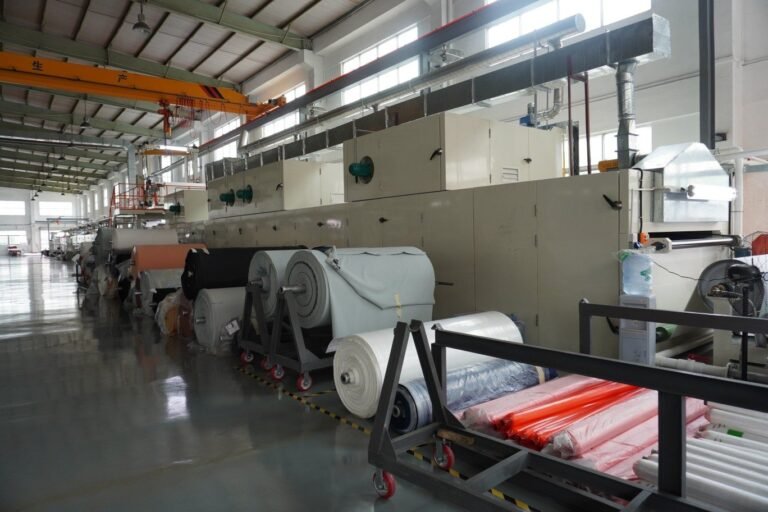
Equipped with a modern standardized production base and full-process rigorous quality control systems, TOPSUN guarantees stable and consistent performance for every batch of products. We welcome global clients to request free physical samples for performance evaluation before placing bulk orders.
For a detailed guide on supplier screening and factory auditing, refer to our professional article: Silicone Leather Factory: 2026 Supplier Selection Guide.
Ready to specify medical-grade silicone leather for your next healthcare project?
Conclusion
Medical-grade silicone leather represents the future of high-standard upholstery and equipment surfacing for the healthcare industry. Its inherent biocompatibility, reliable antimicrobial performance, and full compliance with ISO 10993, FDA, REACH, and PAHs standards deliver unrivaled safety, durability, and regulatory credibility for medical scenarios.
As the global silicone synthetic leather market is projected to reach USD 1.4 billion by 2030, early adoption of this advanced material helps medical institutions and equipment manufacturers stay ahead of tightening global regulatory standards and rising patient safety requirements. Whether for hospital furniture, cleanroom facilities, or medical device manufacturing, medical-grade silicone leather serves as a cost-effective, long-lasting, and fully compliant material solution.
Partner with TOPSUN, a certified and experienced silicone leather manufacturer, to obtain stable, high-quality medical-grade materials and professional one-stop support from prototype development to mass production.