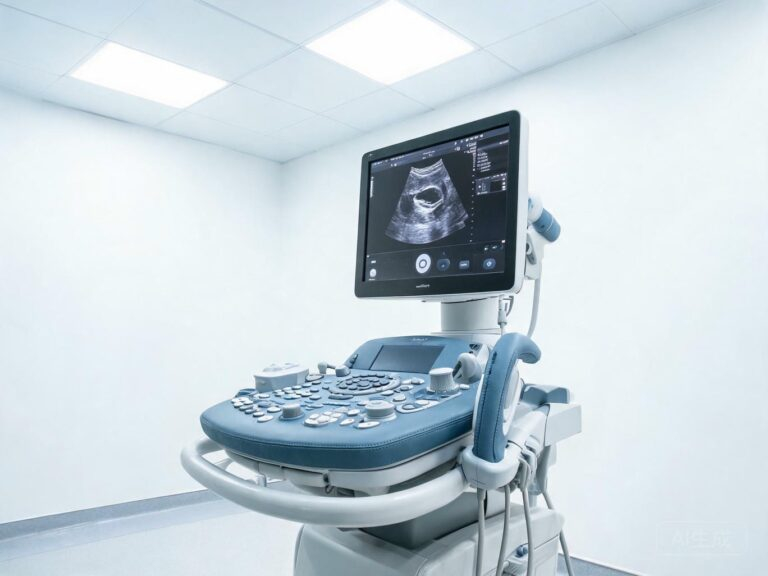
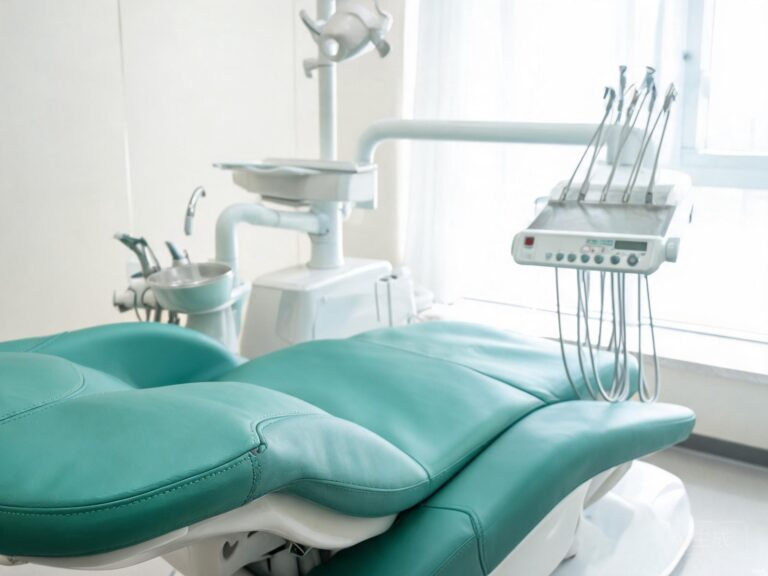
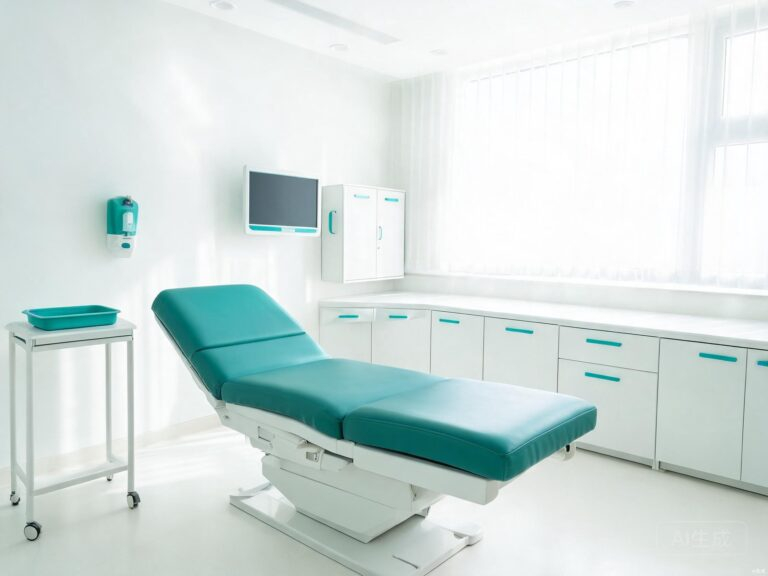
On any given day, about 1 in 31 hospital patients has at least one healthcare-associated infection (HAI), according to the CDC. Dental and medical chairs, examination tables, and treatment surfaces are high-touch vectors in this chain of transmission. The dental chair upholstery material you specify doesn’t just affect patient comfort — it directly impacts infection control outcomes, cleaning efficiency, and long-term operational costs. This guide breaks down what procurement teams need to know about antimicrobial clinical upholstery, from material chemistry to disinfectant compatibility.

Why Upholstery Material Matters in Clinical Settings
Clinical environments demand surfaces that can withstand repeated exposure to harsh disinfectants without degrading. Traditional vinyl and PU leather, while initially cost-effective, develop micro-cracks after months of chemical cleaning. These fissures become harbors for bacteria — including Staphylococcus aureus and E. coli — that standard wiping cannot reach.
The problem compounds in dental practices. Patients sit for extended periods, sometimes with open oral cavities, while aerosols from drilling and ultrasonic scaling settle on every surface. A 2021 CDC report noted a 14% increase in MRSA bacteremia cases in acute care settings, underscoring how surface contamination directly correlates with infection rates.
Key Insight: The CDC estimates 687,000 HAIs occurred in U.S. acute care hospitals in 2015, with about 72,000 deaths during hospitalization. Upholstery material selection is one of the few variables clinics can directly control to reduce surface-mediated transmission.
Comparing Clinical Upholstery Materials
Three material families dominate the medical chair fabric market. Each offers distinct trade-offs between cost, durability, and infection control performance. Let’s be honest — there’s no single “best” option, but there is a clear best fit depending on your facility’s cleaning protocols and patient volume.
| Property | Silicone Leather | PU Leather | PVC Vinyl |
|---|---|---|---|
| Antibacterial Rate | 99.9% | Limited | Low |
| Disinfectant Resistance | Alcohol, bleach, H₂O₂ | Alcohol only | Degrades with bleach |
| Abrasion (Martindale) | 200,000+ cycles | 30,000–50,000 | 20,000–40,000 |
| Biocompatibility | ISO 10993-5 certified | Not certified | Not certified |
| Service Life | 10+ years | 3–4 years | 2–3 years |
| VOC Emission | Zero | Low–moderate | Moderate–high |

Silicone Leather: The Clinical-Grade Standard
Silicone-based upholstery has emerged as the preferred medical-grade surface material for dental chairs, examination tables, and treatment recliners. Unlike PU or PVC, silicone’s molecular structure (Si-O backbone) is inherently stable against chemical attack. It doesn’t plasticize, hydrolyze, or crack under repeated disinfectant exposure.
Here’s what matters from a procurement perspective: silicone leather achieves a 99.9% antibacterial rate against E. coli and S. aureus without relying on topical antimicrobial coatings that wear off. The protection is built into the material matrix. It’s the same chemistry used in baby pacifiers and food-grade applications — FDA 21 CFR Part 177.2600 compliant, and verified non-cytotoxic under ISO 10993-5 biocompatibility testing.
For dental practices specifically, the ability to wipe down with 70–90% isopropyl alcohol, bleach solutions, or quaternary ammonium compounds — without surface degradation — translates to faster turnover between patients and lower replacement costs over the chair’s lifecycle. As we’ve seen firsthand in clinical installations, facilities that switched from PVC to silicone upholstery reduced their annual reupholstery costs by roughly 67%, with the material lasting 10+ years versus the typical 2–3 year PVC replacement cycle.
See how silicone leather withstands liquid exposure — critical for disinfection protocols between dental patients
View Medical-Grade Collections

Disinfectant Compatibility: A Hidden Cost Factor
Many procurement decisions focus on upfront material cost and overlook the total cost of ownership (TCO). The reality is that disinfectant compatibility drives long-term expenses more than any other factor. When PVC upholstery cracks after 8–12 months of daily bleach wiping, the replacement labor, downtime, and patient scheduling disruption far exceed the material cost difference.
Silicone leather maintains surface integrity through thousands of cleaning cycles with:
- 70–90% isopropyl alcohol — no swelling, cracking, or color change
- Sodium hypochlorite (bleach) — up to 5,000 ppm concentrations
- Quaternary ammonium compounds — standard hospital-grade disinfectants
- Hydrogen peroxide solutions — including accelerated H₂O₂ formulations
- Ethylene oxide (EtO) and gamma sterilization — for equipment requiring full sterilization
This chemical resilience is why silicone upholstery is increasingly specified in clinical chair material tenders across dental schools, hospital outpatient departments, and private practice groups. The ROI calculation is straightforward: a material that lasts three times longer than PU while requiring zero special cleaning protocols pays for itself within the first replacement cycle.
Key Specifications for Clinical Procurement
When specifying patient chair upholstery for dental or medical use, these technical parameters should appear in your tender documents:
- Thickness: 0.5–1.5 mm (thicker for high-wear seating surfaces)
- Antibacterial performance: ≥99% reduction (JIS Z 2801 or equivalent)
- Biocompatibility: ISO 10993-5 non-cytotoxic certification
- Abrasion resistance: ≥100,000 Martindale cycles (≥200,000 for high-traffic clinics)
- Flex resistance: ≥100,000 cycles (ISO 5402) — prevents cracking at stress points
- Tear strength: ≥20 N (ISO 34-1) — resists damage from sharp instruments
- VOC emission: Zero (ISO 16000-6) — protects indoor air quality in enclosed operatories
- REACH compliance: All SVHC below 0.1% threshold
Pro Tip: Request actual test certificates — not just data sheets. SGS or Intertek reports with specific test dates and lot numbers are the industry standard for verifying antimicrobial and biocompatibility claims.
Frequently Asked Questions
How often should dental chair upholstery be replaced?
With traditional PVC or PU upholstery, replacement typically occurs every 2–4 years due to cracking, peeling, or persistent staining. Silicone leather upholstery can last 10+ years under the same usage conditions, thanks to its non-hydrolyzing formula and disinfectant resistance. The exact timeline depends on patient volume, cleaning frequency, and whether the material shows visible surface damage.
Is silicone leather safe for patients with latex allergies?
Yes. Silicone is a completely different polymer from natural rubber latex. It contains no latex proteins, which are the primary allergens. ISO 10993-5 testing confirms silicone leather is non-cytotoxic and hypoallergenic, making it suitable for patients with Type I latex sensitivities.
Can silicone upholstery be repaired if punctured?
Small punctures can be patched using silicone-compatible repair kits, though the repair may be visible. Prevention is more practical — silicone leather’s high tear strength (≥20 N per ISO 34-1) makes accidental punctures from dental instruments unlikely during normal use. For deep gouges, replacing the affected panel section is the recommended approach.
What is the minimum order quantity for custom clinical upholstery?
Standard MOQ is 500 meters for custom-colored silicone leather. For medical-grade silicone leather in stock colors, smaller trial orders can be arranged through the samples center. Custom Pantone matching typically requires 500–1,000 meters depending on color complexity.
Making the Right Material Decision
Choosing the right dental chair upholstery material comes down to three questions: How aggressive is your disinfection protocol? What is your expected patient throughput? And what is your true cost tolerance over a 10-year horizon? If your facility uses bleach or quaternary ammonium disinfectants, serves more than 20 patients daily, or operates in a regulated healthcare environment — silicone leather is the only material that delivers both infection control performance and long-term cost efficiency.
The upfront investment is higher than PVC. But when you factor in replacement labor, patient downtime, and the clinical risk of degraded surfaces harboring pathogens, the calculation shifts decisively. Facilities that have made the switch report payback within three years and sustained savings thereafter.
About TOPSUN
TOPSUN is a specialized supplier of medical-grade silicone leather, serving dental equipment manufacturers, hospital procurement teams, and clinical furniture OEMs worldwide. Our silicone upholstery materials are produced under controlled manufacturing conditions with full traceability.
Relevant Certifications: ISO 10993-5:2009 (non-cytotoxic) · FDA 21 CFR 175.300 · REACH SVHC Compliant · PAHs (AfPS GS 2019:01) · Zero VOC (ISO 16000-6) · EtO/Gamma Sterilizable