When sourcing upholstery materials, B2B buyers frequently evaluate leatherette fabric. It serves as a cost-effective alternative to genuine leather. Leatherette is commonly made from PVC or polyurethane-coated textiles. It offers a leather-like appearance without animal-derived components. However, not all synthetic leathers perform equally in commercial environments. This guide examines leatherette fabric properties, pricing, and applications. It also covers limitations buyers should understand. Finally, we introduce advanced alternatives for procurement teams. These alternatives offer longer service life and cleaner environmental profiles.
Download Upholstery Material Guide
What Is Leatherette Fabric?
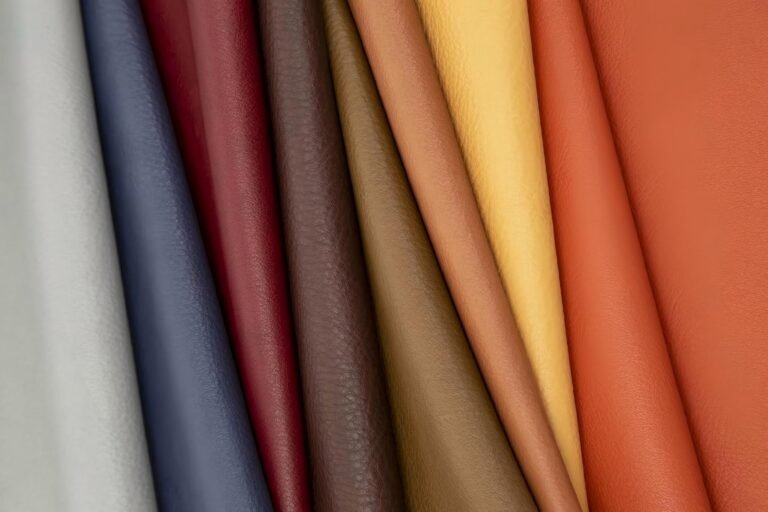
Leatherette fabric is a synthetic material engineered to mimic natural leather. Manufacturers apply a PVC or polyurethane coating onto a woven or knitted textile base. The result is a flexible surface with uniform grain patterns. Colors remain consistent across production batches. This predictability helps brands maintain visual standards at scale.
For buyers new to synthetic upholstery, our article on what is faux leather provides additional baseline context. Leatherette serves markets ranging from automotive seating to residential furniture. It also appears in consumer goods and fashion accessories. Standard thicknesses vary between 0.5 mm and 1.5 mm. End-use requirements dictate the exact specification.
Vinyl Leatherette Fabric vs Polyurethane Options
Buyers often distinguish between vinyl leatherette fabric and polyurethane-based alternatives. Vinyl options, or PVC leatherette, generally cost less. They resist moisture effectively. These properties make vinyl suitable for high-traffic seating and marine environments. Cleaning requires only mild soap and water.
Polyurethane leatherette, or PU leather, feels softer. It breathes slightly better than vinyl. PU suits fashion apparel and upscale furniture. Tactile quality matters greatly in these segments. Neither variant contains natural leather fibers. Both present different maintenance and aging characteristics. Procurement teams must weigh these factors carefully.
Buyers should request test reports aligned with ASTM and ISO standards for abrasion and coating adhesion validation. These benchmarks ensure batch consistency and field durability.
Leatherette Seat Trim in Automotive and Furniture
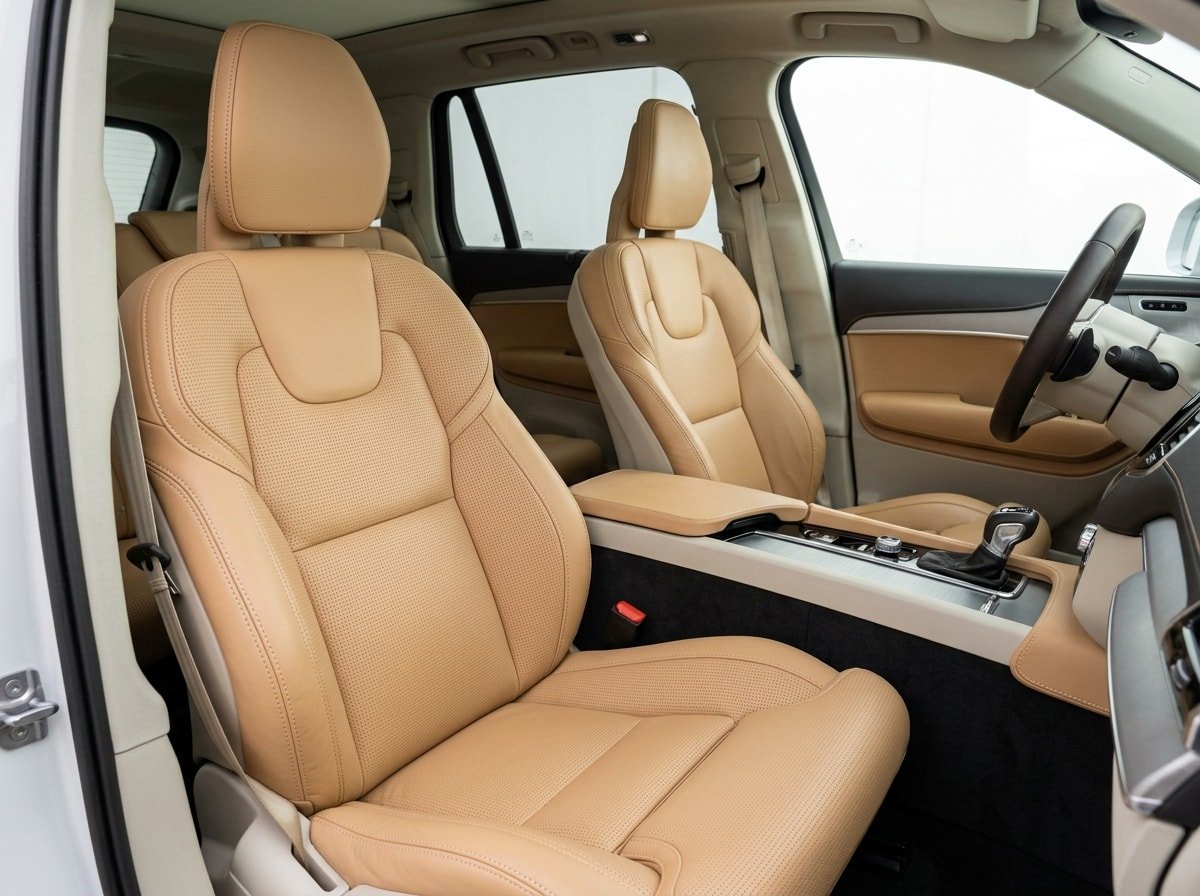
One of the largest demand segments is leatherette seat trim. Automotive OEMs use leatherette for vehicle seating. Headrests and door panels also use this material. The surface cleans easily. It withstands daily abrasion from passengers and cargo.
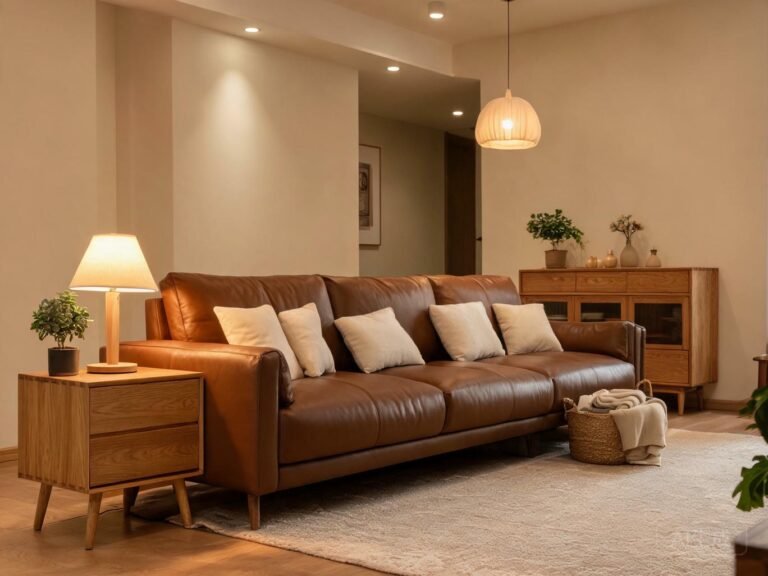
Furniture manufacturers specify leatherette for sofas and chairs. Headboards and commercial booths also feature this fabric. Our automotive interiors page details performance requirements for vehicle-grade materials. The furniture sofa page covers residential and contract specifications. Color matching and embossed textures allow premium aesthetics. Reduced material cost supports competitive retail pricing.

Quilted Leatherette Fabric and Design Possibilities
Beyond flat surfaces, quilted leatherette fabric adds dimensional texture. Stitching patterns create padded sections. These elevate visual appeal in automotive seats. Handbag panels and hospitality furniture also benefit from quilted finishes.
Designers specify diamond patterns or channel tufting. Custom embossing is also available. Quilted leatherette works best with thicker substrates. This maintains stitch integrity over time. Buyers should verify seam slippage resistance. Cyclic loading tests help confirm durability before volume orders.

Leatherette Fabric Price and Cost Benefits
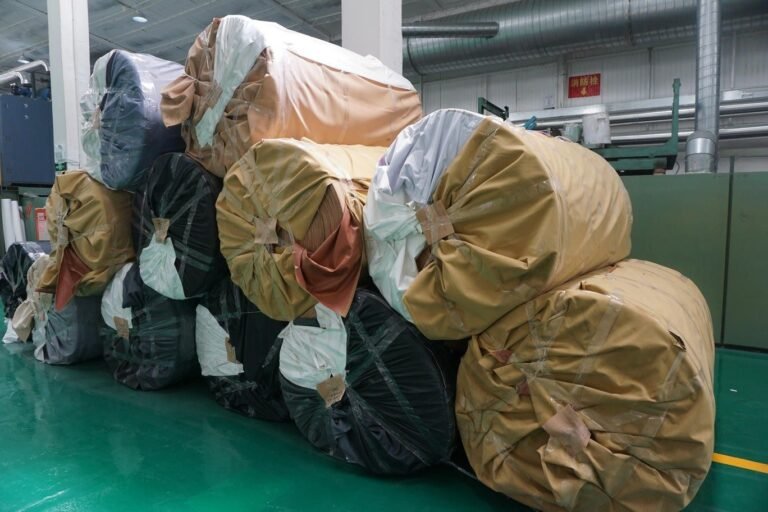
Leatherette fabric price remains a key competitive advantage. Per-meter costs typically run 30% to 60% lower than genuine leather. Comparable thicknesses are used for this comparison. Bulk rolls reduce waste. Synthetic hides do not suffer from irregular shapes found in natural hides.
Lower price points shorten prototype cycles. Design teams sample multiple colors without expensive leather stock. However, shorter lifespan in heavy-use environments may increase ownership costs. Buyers should model replacement intervals. Initial unit pricing alone does not tell the complete financial story. Total cost of ownership includes maintenance, cleaning, and early replacement.
Leatherette Vegan Benefits and Environmental Considerations
The leatherette vegan positioning appeals to cruelty-free brands. Leatherette contains no animal proteins. It aligns with vegan certification requirements. Fashion and automotive accessories both use this positioning to attract ethically minded consumers.
However, traditional PVC and PU leatherettes rely on solvent-based coatings. Plasticizers are also common additives. These formulations release volatile organic compounds. End-of-life disposal raises additional concerns. Brands prioritizing sustainability should examine manufacturing chemistry. Recyclability pathways also deserve attention beyond the initial vegan claim.
Silicone Leather: A Superior Alternative for B2B Buyers
For procurement teams ready to advance beyond standard leatherette fabric, silicone leather offers a solvent-free upgrade. TOPSUN silicone leather uses liquid silicone rubber coatings. It contains no PVC, plasticizers, or heavy metals. This chemistry eliminates the odor and off-gassing common in conventional synthetics.
Key performance metrics include:
- Temperature stability from -40°C to 250°C
- Martindale abrasion resistance exceeding 200,000 cycles in Classic series
- Compliance with REACH, PAHs, FDA, and ISO standards
- Low smoke and self-extinguishing options in Super Flame Retardant grades
- Six product series spanning 0.23 mm to 2.0 mm thicknesses
Applications range from ultra-thin electronics covers to rigid substrate panels. Learn more on our silicone leather introduction page. You can also explore how silicone leather compares to other synthetics in our difference between faux leather and real leather analysis.

Frequently Asked Questions
Is leatherette the same as vinyl?
Not exactly. Vinyl leatherette refers specifically to PVC-coated fabrics. Leatherette can also mean PU-coated textiles. Both fall under the synthetic leather umbrella but differ in softness, breathability, and environmental profile.
Does leatherette peel over time?
Yes. Budget leatherette fabric can crack, peel, or flake within two to five years. Heat, UV exposure, and flexing accelerate this failure. Premium grades last longer but still degrade faster than silicone leather or genuine hide.
Is leatherette suitable for automotive use?
Leatherette seat trim is common in entry-level vehicles. It resists spills and cleans easily. However, it struggles with heat aging, VOC emissions, and long-term UV stability. Premium automakers increasingly specify silicone leather for these reasons.
What is the best alternative to leatherette for commercial furniture?
Silicone leather offers the best upgrade path. It eliminates PVC and plasticizers. It also delivers longer service life and complies with REACH, PAHs, and flame-retardant standards required in contract furniture markets.
Conclusion
Leatherette fabric dominates budget-conscious upholstery markets. Its low entry cost and leather-like appearance drive continued demand. B2B buyers managing fleet vehicles must balance price against durability. Commercial furniture and consumer goods require similar analysis. Regulatory compliance and sustainability goals also matter.
Silicone leather offers a measurable upgrade in lifespan. Environmental safety improves without sacrificing design flexibility. Evaluate your application requirements carefully. Request technical data before committing to a material platform. Long-term quality commitments deserve materials that match your brand standards.
Related Articles
- Rexine Fabric: Properties, Uses, and Comparison with Modern Synthetics
- Microfiber Leather vs Genuine Leather: Which Performs Better?
- Difference Between Genuine Leather and Synthetic Leather Explained
About TOPSUN Silicone Leather
TOPSUN Silicone Leather operates as a dedicated manufacturer with 8+ years of specialized experience. We export to 30+ countries and maintain full OEM/ODM capabilities for automotive, furniture, fashion, and industrial clients. Our six product series include Classic, Ultra Thin, Designer, Rigid Substrate, High Performance, and Super Flame Retardant grades.
Production lines deliver consistent batch quality backed by ISO-certified quality management and third-party laboratory testing. All materials comply with REACH, PAHs, and FDA requirements. Custom color, texture, and thickness options are available through our samples center.