The number one comfort complaint in leather for chairs is not stiffness, durability, or color — it is heat. According to ergonomic seating research, “back sweat” is the most common user complaint about leather office chairs, caused by the non-breathable surface trapping body heat and moisture against the skin. The problem is so widespread that mesh-back chairs have captured significant market share specifically because they solve heat buildup — even though mesh sacrifices the durability, cleanability, and aesthetic that leather provides. The right leather material can deliver both. This guide explains the breathability factor that determines whether your leather chairs feel comfortable at hour one and hour eight.
Why Leather Chairs Get Hot: The Physics of Sitting
When you sit in a chair, your body transfers heat to the seat surface through conduction. If that surface is non-breathable — like PU or PVC leather — the heat has nowhere to go. It accumulates between your body and the chair, raising the microclimate temperature by 5–10°C above ambient within 30–60 minutes. Simultaneously, your body produces moisture vapor (perspiration) that cannot pass through the non-porous surface. The result is a hot, humid microclimate that causes discomfort, restlessness, and postural instability — the user fidgets, leans, and shifts, which accelerates fatigue.
Genuine leather is naturally porous — the hide’s microscopic pores allow moisture vapor to pass through, reducing heat buildup. Research from the Leather Research Laboratory at UC confirms that natural leather pores enable passive ventilation that prevents heat accumulation under the body. But genuine leather comes with supply constraints, ethical concerns, and maintenance requirements (conditioning) that many B2B furniture manufacturers cannot accept. For more on breathable leather materials, see our breathable leather guide.

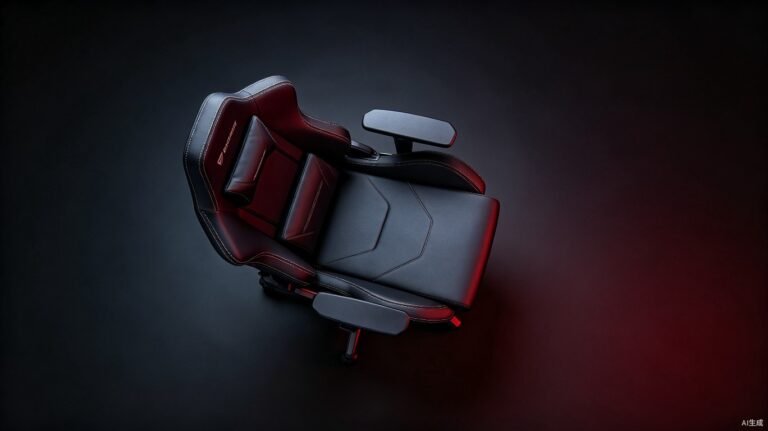
Extended sitting session — thermal comfort at hour 4 determines whether the user stays productive or starts fidgeting. Material choice is the variable.
Material Comparison: Thermal Performance for Chair Leather
Different leather materials have fundamentally different thermal performance profiles. Here is how they compare on the three factors that determine sitting comfort:
| Material | Breathability | Surface Temp Rise (1 hr) | Skin Stick | Durability |
|---|---|---|---|---|
| Genuine leather | High (natural pores) | +3–5°C | Low | 5–10 yrs (with care) |
| PU leather | Low (non-porous) | +7–10°C | High | 3–5 yrs |
| PVC leather | Very low | +8–12°C | Very high | 2–3 yrs |
| Mesh | Excellent | +1–2°C | None | 5–10 yrs |
| Silicone leather | Moderate (moisture vapor transmission) | +4–6°C | Low (non-stick surface) | 10+ yrs |
The data reveals why no single material has dominated the chair market: genuine leather breathes but requires maintenance and has supply issues; PU/PVC is cheap but thermally uncomfortable; mesh breathes but lacks the cleanability and aesthetic of leather. Silicone leather is the material that bridges the gap — not as breathable as mesh, but with a unique non-stick surface that eliminates the skin adhesion problem that makes PU uncomfortable during extended sitting. For a comparison across chair types, see our leather upholstery chairs guide.
Silicone leather’s non-stick surface is the differentiator. PU and PVC develop a tacky surface at body temperature — the polymer softens and creates adhesion with skin. Silicone’s surface chemistry prevents this adhesion, meaning even after hours of contact, the surface releases cleanly from skin without the “peeling” sensation that signals discomfort on PU chairs.
Chair Type Matrix: Matching Leather to Application
Different chair types have different sitting durations, stress patterns, and comfort priorities. The leather for chairs specification should change accordingly:
Office/task chairs (6–8 hours/day). Thermal comfort is the dominant factor. The user sits for extended periods, generating sustained body heat. Breathability and non-stick surface are critical. Silicone leather’s combination of moisture vapor transmission and non-stick surface makes it ideal for this application. For our office chair capabilities, see our office chair material guide.
Dining chairs (1–2 hours/session). Thermal comfort matters less because sitting duration is shorter. Durability and cleanability are the dominant factors — dining chairs face food spills, frequent cleaning, and varied users. Silicone leather’s bleach-safe cleanability and 200K+ Martindale rating are the specification advantages. For dining chair specs, see our dining chair guide.
Recliners/lounge chairs (2–4 hours/session). Comfort is multidimensional — thermal, tactile, and ergonomic. The leather must feel soft, maintain a comfortable surface temperature, and survive repeated flexing at the recline break point. Silicone leather’s flex resistance (50,000–100,000+ cycles) and thermal properties make it suitable for premium recliners. For recliner specifications, see our recliner material guide.

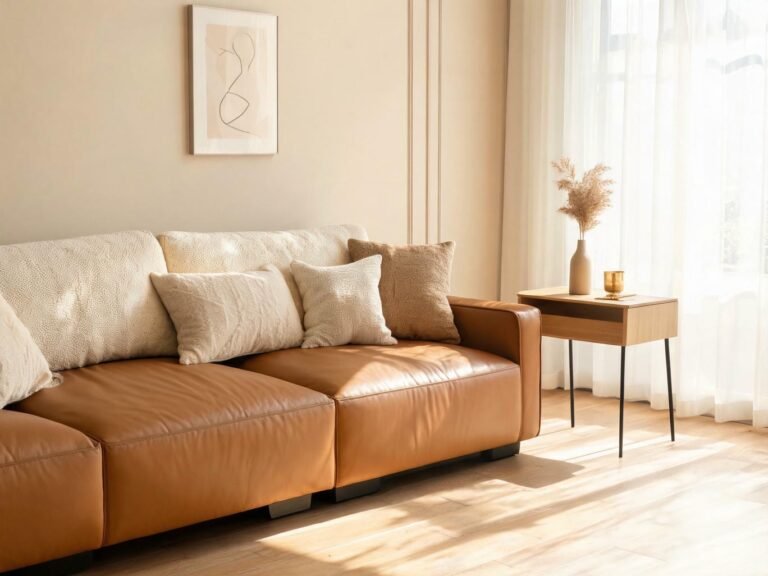
Recliner chair upholstery — the recline break point is the highest-stress flex zone. The leather material must survive 50,000+ flex cycles without cracking.
The Cleanability Factor in Chair Leather
Comfort is not just about temperature. In commercial and shared-use chairs, cleanability directly affects the user’s psychological comfort — knowing the surface can be disinfected between users. PU leather degrades under repeated cleaning with alcohol-based disinfectants: the solvent attacks the polyurethane coating, causing it to become sticky and eventually crack. PVC is more resistant but still degrades with bleach exposure.
Silicone leather is bleach-safe and alcohol-compatible. The non-porous surface can be wiped with 70% isopropyl alcohol, 10% bleach solution, or commercial disinfectant without any surface degradation. This makes it suitable for shared-use chair environments — offices, clinics, schools, airports — where the material must withstand daily disinfection without losing its tactile or visual quality. For more on cleanability, see our cleaning and maintenance guide.
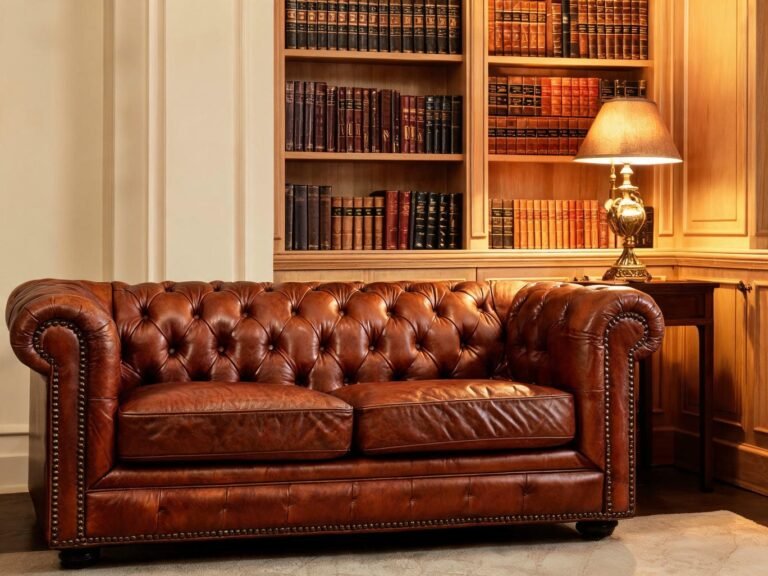
Breathable performance — silicone leather’s moisture vapor transmission and non-stick surface deliver thermal comfort for extended chair use.
Frequently Asked Questions
Is silicone leather as breathable as mesh for office chairs?
Not quite — mesh allows free airflow through its open structure, which silicone leather’s continuous surface does not. However, silicone leather allows moisture vapor transmission through its molecular structure, and its non-stick surface eliminates the skin adhesion problem that makes PU uncomfortable. In practice, users report that silicone leather chairs feel significantly cooler and less sticky than PU chairs, while providing the durability, cleanability, and aesthetic that mesh cannot offer. It is the best of both worlds — not as maximally breathable as mesh, but far more comfortable than PU.
What thickness should I specify for leather for chairs?
For most chair applications, 0.8–1.2mm is the optimal thickness range. This provides enough body for upholstery stretching and stapling without being too stiff for curved surfaces. Office chairs and dining chairs typically use 0.8–1.0mm. Recliners and lounge chairs may use 1.0–1.2mm for a softer, more padded feel. Below 0.8mm, the material may tear at staple points during upholstery; above 1.5mm, it becomes difficult to stretch around tight curves. TOPSUN’s Classic Collection covers this range with thickness options from 0.8 to 2.0mm.
Comfort Is a Material Property
When a user describes a chair as “comfortable,” they are describing the interaction between their body and the material surface. Temperature, moisture, adhesion, texture, and flexibility — all of these are material properties that determine the sitting experience. Leather for chairs is not just a visual or durability specification. It is a comfort specification. Silicone leather’s unique combination of moisture vapor transmission, non-stick surface chemistry, flex resistance, and bleach-safe cleanability makes it the material that delivers comfort across the full range of chair applications — from the 8-hour office chair to the 2-hour dining chair to the 4-hour recliner. Specify comfort, not just color and Martindale.
About TOPSUN
TOPSUN manufactures leather for chairs across office, dining, recliner, gaming, and contract seating applications — providing silicone-coated material that combines moisture vapor transmission, non-stick surface chemistry, and 200,000+ abrasion cycle durability for extended sitting comfort.
With ISO 5402 flex resistance at 50,000–100,000+ cycles, bleach-safe cleanability, and a non-stick surface that eliminates the thermal discomfort of PU/PVC leather, our silicone leather delivers the sitting experience that traditional synthetic leather cannot — comfort that lasts as long as the chair does.