I spend my days analyzing furniture market data across 40+ countries. When the 2026 leather sofa color reports landed, one number jumped off the page: brown leather accounts for 53% of all leather sofa sales. Neutrals follow at 24%. Gray — the design press favorite — captures just 11%. The data overturns a common assumption: despite magazine coverage celebrating bold colors and experimental palettes, buyers consistently choose warm, earthy leather colors for sofas. But market share is only half the story. The other half is performance: which of these trending colors actually survive years of UV exposure, daily staining, and commercial traffic? That’s where material chemistry — specifically silicone vs PU leather — determines whether a 2026 trend color still looks right in 2031.
The 2026 Leather Sofa Color Landscape
The 2026 color landscape for leather sofas reflects a broader shift toward warmth and longevity. Design experts note that buyers increasingly choose colors they can live with for a decade — not colors that make a statement for one season. This preference for permanence aligns with the growing B2B focus on total cost of ownership: a sofa specified in 2026 needs to look current in 2031.
The trend reports converge on warm natural shades replacing dark colors. Cognac, chestnut, caramel brown, milky mocha, and dusty pink lead the most sought-after list. Tan brown reads as warm and relaxed. Caramel is soft and modern. Chocolate brown is rich and cozy. Warm beige is bright and calm. Olive leather brings natural, earthy energy. These decorative fabric colors blend easily into neutral living room decor — the design flexibility that B2B specifiers need for hospitality and multi-unit residential projects.

Full-color silicone leather swatch rack — 40+ standard colors available for sofa specification
7 Colors Driving 2026 Leather Sofa Sales
Based on aggregated sales data and design trend reports, here are the seven leather sofa colors commanding market attention in 2026 — along with the performance characteristics that determine their long-term viability in commercial and residential settings:
1. Chocolate Brown — The undisputed leader at 53% market share. Chocolate evokes stability, heritage, and warmth. It’s the color buyers default to when they want leather that “looks like leather.” In commercial settings, chocolate brown hides daily wear better than any color except black. For traditional libraries, executive offices, and formal living rooms, it remains unbeatable.
2. Cognac/Caramel — The fastest-growing warm tone. Cognac pairs with neutral palettes, wood finishes, and styles from modern to classic. Its slightly aged look feels soft and becomes more comfortable visually over time. Cognac is the color of choice for hospitality lounges and boutique hotel lobbies where warmth signals welcome.
3. Warm Beige/Tan — Bright and calm. In rooms under 150 square feet, light-colored leather prevents furniture from “swallowing” the space. Beige leather aligns with minimalist and Japandi aesthetics, creating spaces that feel airy, refined, and effortlessly harmonious. For senior living and healthcare furniture, beige reads as clean and clinical without being cold.
4. Charcoal Gray — The sleek alternative to black. Charcoal provides high-contrast against white walls without the starkness of true black. It fits minimalist and “soft-industrial” environments. Despite its design press popularity, gray captures only 11% of sales — proof that editorial coverage doesn’t always translate to buyer behavior.

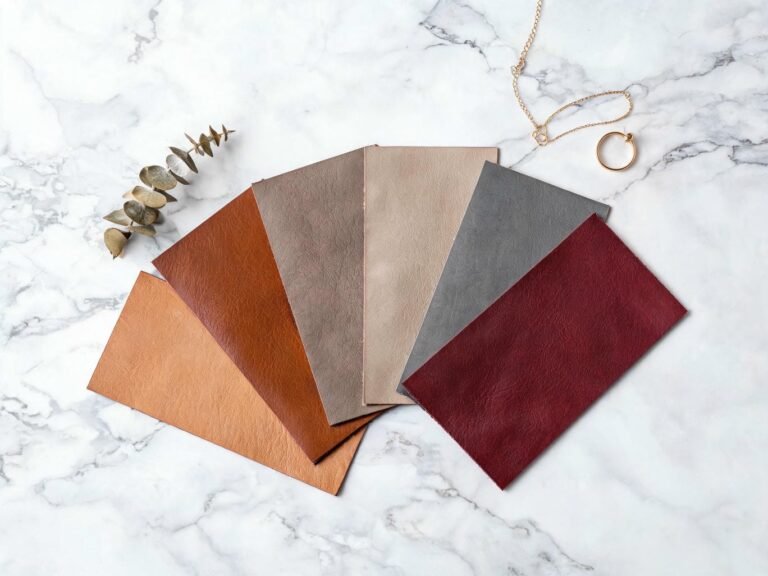
Multi-color leather swatch display wall — trend colors from warm neutrals to bold accents
5. Black — The drama color. Black leather adds instant elegance and works in modern, monochrome, or high-contrast interiors. It’s extremely forgiving with stains and marks, making it practical for high-traffic commercial furniture. The caveat: black absorbs 93% of UV light, making it the most fade-prone color on PU and PVC substrates. Only silicone leather maintains black’s depth beyond 1,500 UV hours.
6. Taupe — Depth within neutrality. Taupe (a grey-brown blend) bridges warm and cool palettes, making it the most versatile neutral for multi-unit projects where sofa colors must complement varied interior schemes. Its sophistication appeals to specifiers designing co-working spaces and corporate lounges.
7. Olive/Emerald Green — The trending accent. Natural and earthy, green leather brings biophilic design energy to residential and hospitality settings. While still a niche color in sales volume, green is the fastest-growing accent color in 2026 design publications. For specifiers seeking differentiation, green silicone leather delivers the trend without the fade risk of green PU.
Color Psychology: How Sofa Colors Shape Room Perception
Color selection for leather sofas isn’t purely aesthetic — it’s psychological. Warm tones like terracotta, tan, and brown make spaces feel snug and welcoming. Brown exudes security, dependability, and coziness. These earthy hues are ideal for hospitality environments where guest comfort is the design objective. Cool tones like charcoal and taupe create structure and formality, suited to corporate and executive settings.
For B2B specifiers, the psychology question connects directly to ROI. A hotel lobby specified in cognac leather signals warmth and welcome — guests linger longer. The same lobby in black leather signals sophistication but can feel heavy in smaller or poorly lit rooms. The upholstery leather color choice affects dwell time, perceived room size, and guest satisfaction scores — measurable outcomes that justify material investment.
UV Stability and Stain Visibility by Color Family
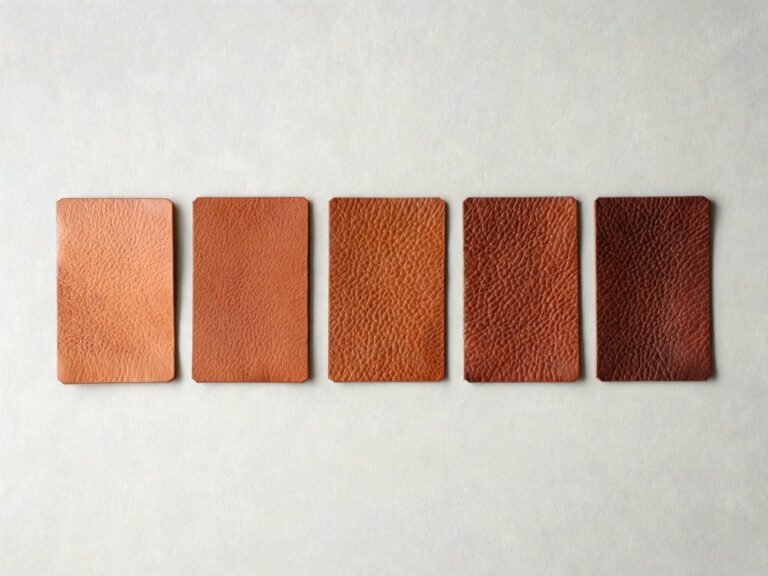
Texture and color variety — silicone leather available in 40+ standard colors with custom Pantone matching
The performance dimension that design reports often skip: different colors degrade differently under UV exposure and daily staining. Here’s the data that should sit next to every color swatch:
| Color Family | 2026 Market Share | Style Effect | UV ΔE (Silicone, 1,500 hrs) | Stain Visibility |
|---|---|---|---|---|
| Chocolate Brown | 53% | Warm, traditional, cozy | < 0.5 | Low — masks most stains |
| Cognac/Caramel | 12% | Soft, modern, welcoming | < 0.5 | Moderate — lighter tone shows tannins |
| Warm Beige/Tan | 8% | Bright, calm, airy | < 0.5 | High — shows all stains clearly |
| Charcoal Gray | 11% | Sleek, modern, structured | < 0.5 | Moderate — shows water spots |
| Black | 9% | Dramatic, elegant, formal | < 0.5 | Low — masks most stains |
| Taupe | 4% | Sophisticated, versatile | < 0.5 | Low — neutral masks wear |
| Olive/Green | 3% | Natural, earthy, trending | < 0.5 | Moderate — shows lighter stains |
UV ΔE data per ISO 105-B02 xenon arc testing on silicone leather. PU and PVC equivalents show ΔE 3.5–7.0 after 1,500 hours — visible fading across all color families. Market share data aggregated from 2026 industry sales reports.
The silicone advantage: Every color family shows < 0.5 ΔE after 1,500 UV hours on silicone leather — meaning cognac stays cognac, beige stays beige, and green stays green for 10+ years. PU and PVC equivalents shift 3.5–7.0 ΔE in the same period. The trend color you specify today is the faded color your client sees in 3 years — unless the substrate is silicone.

Warm neutral and green leather swatches — 2026 trend colors in silicone leather formulation
Color Matching for B2B: Pantone Precision and Batch Consistency
For furniture manufacturers specifying leather colors for sofas across production runs, color consistency is as critical as color selection. A cognac sofa specified in January needs to match the cognac ottoman produced in July. Batch-to-batch variation (ΔE > 2) creates visible mismatch on multi-unit installations — a problem that costs furniture brands in warranty claims and rework.

Custom color matching — Pantone-referenced silicone leather for batch-consistent sofa production
Silicone leather offers custom Pantone matching with ΔE < 1.5 across 50,000m+ production runs. For comparison, PU leather’s pigmented coating typically drifts ΔE 2–4 across batches due to plasticizer migration affecting pigment dispersion. Genuine leather color varies inherently — no two hides absorb dye identically. For B2B specifiers who need 200 matching sofa sets across 12 properties, only silicone delivers the color consistency that makes multi-unit specification viable.

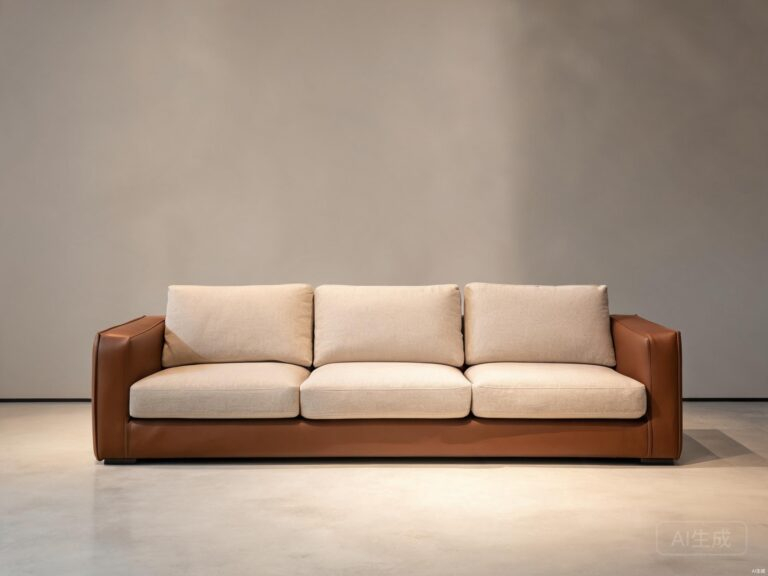
Leather sofa in residential setting — warm brown tone maintained through UV-stable silicone formulation
Frequently Asked Questions
What is the most popular leather sofa color for 2026?
Chocolate brown leads with 53% of leather sofa sales, followed by neutrals at 24% and gray at 11%. Cognac and caramel are the fastest-growing warm tones, while olive green is the fastest-growing accent color. The 2026 trend favors warm, earthy shades over bold experimental colors — buyers prioritize longevity over novelty.
Do lighter or darker leather colors show stains more easily?
Darker colors (chocolate brown, black) mask most stains effectively, making them practical for high-traffic commercial use. Lighter colors (warm beige, tan) show stains more clearly but create brighter, more spacious-feeling rooms. Mid-tone colors (cognac, taupe) offer the best balance — they hide most daily wear while maintaining warmth. With silicone leather, stain visibility matters less because all colors wipe clean with water and mild soap — stains don’t penetrate the non-porous surface regardless of color.
Can silicone leather match custom Pantone colors for sofa production?
Yes. TOPSUN offers custom Pantone-matched colors with ΔE < 1.5 across batches up to 50,000m+. Custom color development takes 3–4 weeks from specification to swatch delivery. Standard colors (40+) ship from stock with 100-yard minimums. This precision allows furniture brands to align sofa leather colors with seasonal palettes, brand identity colors, or specific interior design schemes — with batch consistency that genuine leather and PU leather cannot match.
Download 2026 Color Trend Guide
About TOPSUN
TOPSUN produces silicone leather in 40+ standard sofa colors with custom Pantone matching for furniture manufacturers, interior designers, and hospitality specifiers seeking trend-aligned, UV-stable, and stain-resistant upholstery across residential and commercial seating applications.
All colors < 0.5 ΔE after 1,500 UV hours, Martindale 200K+ cycles verified, custom Pantone ΔE < 1.5 across 50,000m+ batches, REACH and FDA food-contact compliant.