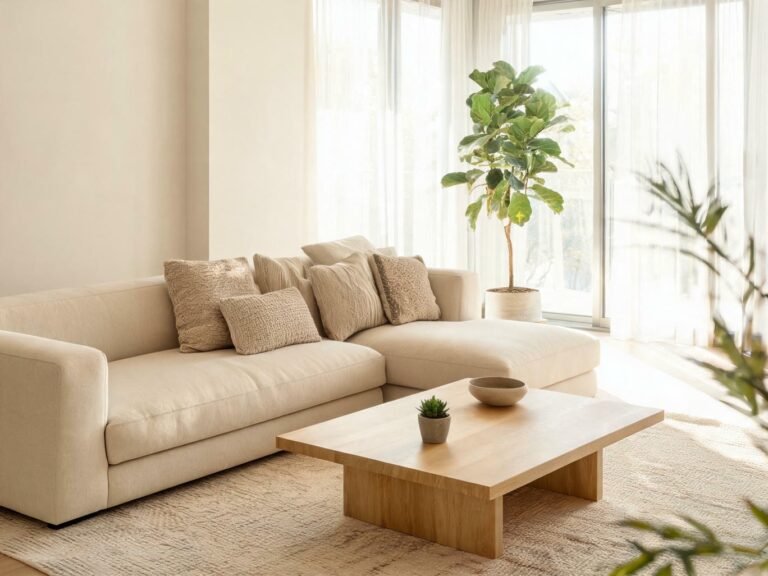
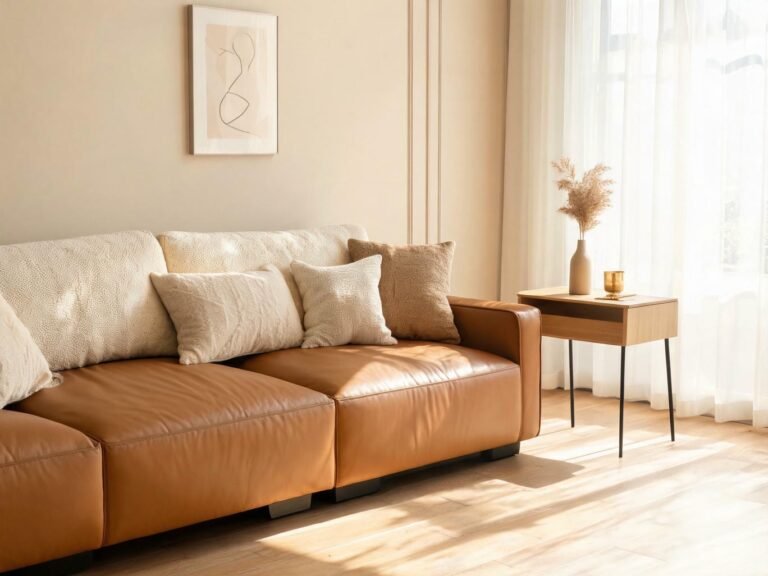
A leather sofa with fabric cushions looks stunning in a showroom. But fast-forward 18 months — the PU leather base is peeling, the fabric cushions have faded at different rates, and the warranty claims are piling up. The problem isn’t the design concept. It’s the material mismatch that no one flagged during procurement. When you’re sourcing a leather sofa with fabric for a 500-unit hospitality order, that mismatch translates directly into replacement costs and brand damage.
Why Leather Sofa with Fabric Combos Are Winning Market Share
The combination of leather and fabric in a single sofa is one of the fastest-growing segments in furniture design. Leather provides structural durability on the frame and armrests, while fabric cushions deliver the softness and breathability that consumers expect for daily seating. B2B marketplaces now list hundreds of variations of leather and fabric combination sofas, reflecting demand across both residential and commercial furniture applications.
But here’s the catch that procurement teams miss: not all leather-fabric combinations age at the same rate. When the leather delaminates at month 18 but the fabric cushions still look new, the entire sofa becomes unsellable as a set — and warranty replacements eat into margins that were already thin.

Leather and fabric combination sofa — a design trend with hidden durability risks
The Hidden Durability Gap in Your Leather Sofa with Fabric
The core issue is differential aging. PU leather typically lasts 2-3 years in high-traffic seating before showing cracks, peeling, or color shift. Quality fabric cushions, by contrast, often maintain appearance for 5-7 years. This creates a gap where the leather component fails long before the fabric — forcing furniture brands to replace entire sofas rather than just reupholstering a cushion. Independent furniture testing consistently shows that material mismatch, not structural failure, is the leading cause of premature sofa replacement.
Three failure modes dominate when leather meets fabric in a mixed-material sofa:
- PU hydrolysis — In humid environments, PU’s molecular chains break down, causing the surface to become sticky and peel away from the backing fabric within 18-24 months.
- Color drift — Leather and fabric dyed to match at production drift apart after UV exposure. What started as a coordinated palette becomes a mismatched eyesore within two years.
- Seam stress — Where leather meets fabric, the stitch line bears differential tension. Stiffer leather pulls against softer fabric, causing seam slippage and eventual tearing.

Physical testing lab — where differential aging between leather and fabric is measured
Why Silicone Leather Outperforms PU in Mixed-Material Sofas
Silicone leather solves the differential aging problem at its root. With 200,000+ Martindale cycles — more than double PU’s typical 30,000-80,000 range — silicone-coated fabric matches or exceeds the lifespan of quality upholstery textiles. The leather and fabric components age together, maintaining visual coherence across the sofa’s full service life. Our detailed silicone vs PU comparison breaks down every performance metric.
In our testing, silicone leather shows zero hydrolysis degradation after 1,000+ hours of accelerated humidity testing. For furniture brands selling into tropical or coastal markets, this eliminates the number one warranty driver for mixed-material sofas. The material also maintains color stability under UV exposure, solving the drift problem that plagues PU-fabric combinations.
Cost reality check: A PU leather sofa with fabric may cost 15-20% less at purchase. But when PU needs replacement at year 3 and silicone lasts 10+ years, the per-year cost of silicone is actually 40% lower over the product lifecycle.
For brands concerned about budget tiers, full versus semi-silicone leather options provide a middle ground — capturing most of the durability benefits at a reduced price point.

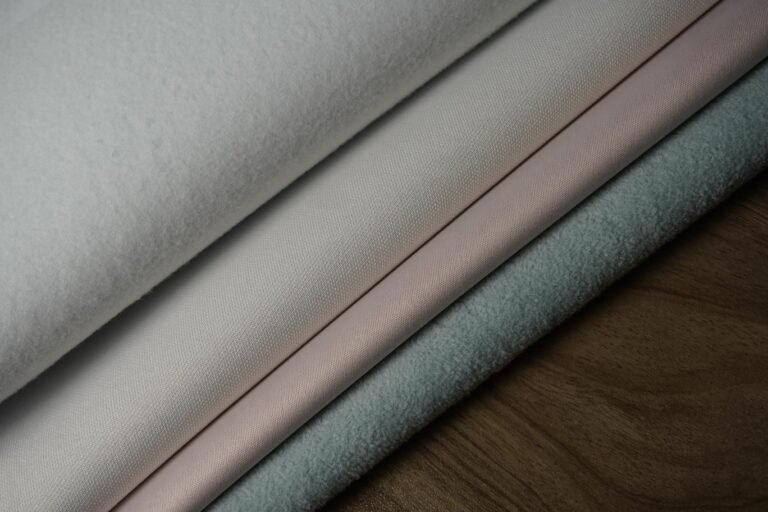
Warm-tone silicone leather swatches — color-matched to pair with upholstery fabrics
Matching Silicone Leather with Fabric: A Compatibility Matrix
Not every fabric pairs well with silicone leather. The key is matching physical properties so both materials age at similar rates. For maintenance guidance across both material types, our cleaning and maintenance guide covers the protocols that keep mixed-material sofas looking new.
| Property | Silicone + Fabric | PU + Fabric | Impact on Lifespan |
|---|---|---|---|
| Martindale Cycles | 200K+ (matches heavy-duty fabric) | 30K-80K (undershoots fabric) | Leather fails before fabric |
| Hydrolysis | 1,000+ hours (stable) | Under 500 hours (degrades) | Peeling in humid climates |
| UV Color Stability | ΔE < 2.0 after 500 hrs | ΔE > 4.0 typical | Visible mismatch within 2 years |
| Cleanability | Wipe-clean, no special treatment | Requires PU-specific cleaners | Maintenance costs diverge |
For fabric selection, polyester and polyester-blend textiles pair best with silicone leather because they share similar UV stability profiles. Avoid pairing silicone with cotton-dominant fabrics — the cotton will fade and pill while the silicone stays pristine, recreating the same mismatch problem you were trying to solve.

Beige lychee-texture silicone leather — macro view of the surface that pairs with upholstery fabric
B2B Sourcing Checklist for Mixed-Material Sofa Production
Before placing a production order for a leather sofa with fabric combination, verify these five things. Each step prevents a specific failure mode that costs real money in warranty claims and replacements.
- Request paired samples — Get leather and fabric samples from the same supplier to test color matching under your actual lighting conditions. Reviewing leather sofa upholstery materials side by side reveals mismatches that spec sheets hide.
- Demand Martindale data for both materials — If the fabric tests at 100K cycles and the leather at 50K, the leather will fail first. Aim for a maximum 2x difference between components.
- Specify UV aging requirements — Require ΔE ≤ 2.0 after 500 hours of xenon arc exposure for both materials, not just the leather.
- Test seam strength at the junction — Where leather meets fabric is where sofas fail first. Request a physical seam sample and pull-test it before approving the design. Our B2B quality guide for leather sofas covers the full testing protocol.
- Audit the factory’s color management — Spectrophotometric matching with ΔE ≤ 2.0 batch-to-batch is the minimum standard for mixed-material production.
See how silicone leather performs in commercial sofa applications — durability testing and real-world results
Closing the Durability Gap in Mixed-Material Furniture
The leather sofa with fabric trend isn’t going away — consumers love the aesthetic, and the combination makes commercial sense. But the material you choose for the leather component determines whether that sofa lasts 3 years or 10. Silicone leather closes the durability gap that has plagued mixed-material furniture for decades, aging in step with quality fabric rather than failing years before it. For procurement teams, the calculation is straightforward: pay slightly more upfront, eliminate the warranty claims, and deliver a product that actually lives up to its showroom promise.
Schedule a Factory Consultation
About TOPSUN
TOPSUN supplies silicone-coated leather specifically engineered for furniture manufacturers combining leather and fabric in mixed-material sofa designs.
With 200,000+ Martindale cycles, UV-stable color matching to fabric substrates, and REACH-compliant solvent-free production, our material helps furniture brands extend sofa lifespans without raising per-unit costs.