Walk into any furniture showroom, browse any automotive configurator, or flip through any interior design magazine in 2026, and you’ll see the same color everywhere: reddish brown leather. It’s cognac sofas in boutique hotels. It’s chestnut interiors in luxury SUVs. It’s saddle brown briefcases and caramel watch straps and tan leather dining chairs.
Reddish brown is having a moment — but it’s not a trend that came out of nowhere. Brown leather has been a design staple for centuries, and the warm, reddish end of the brown spectrum has always been the most popular. What’s different now is the variety. Ten years ago, “brown leather” meant one of two or three shades. Today, specifiers and designers can choose from dozens — cognac, chestnut, saddle, caramel, mocha, whiskey, russet, bourbon, terracotta, and that’s just the A-list.
But here’s what most design guides don’t tell you: reddish brown is one of the hardest leather colors to produce consistently. The wrong dye, the wrong hide, the wrong process conditions — and you go from “rich cognac” to “muddy orange” in one batch. For B2B buyers and specifiers, understanding how leather color works is the difference between a beautiful product and a costly quality issue.
Request Reddish Brown Color Samples
The Reddish Brown Spectrum: What Each Shade Is Called
Reddish brown isn’t one color — it’s a whole family of colors, ranging from light golden tan at one end to deep burgundy-brown at the other. The names are often inconsistent across brands and suppliers, but here’s a working vocabulary every specifier should know.

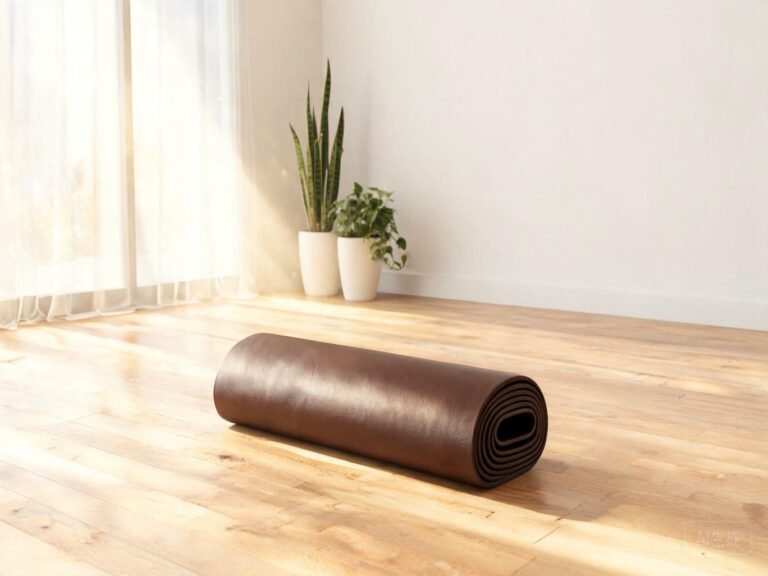
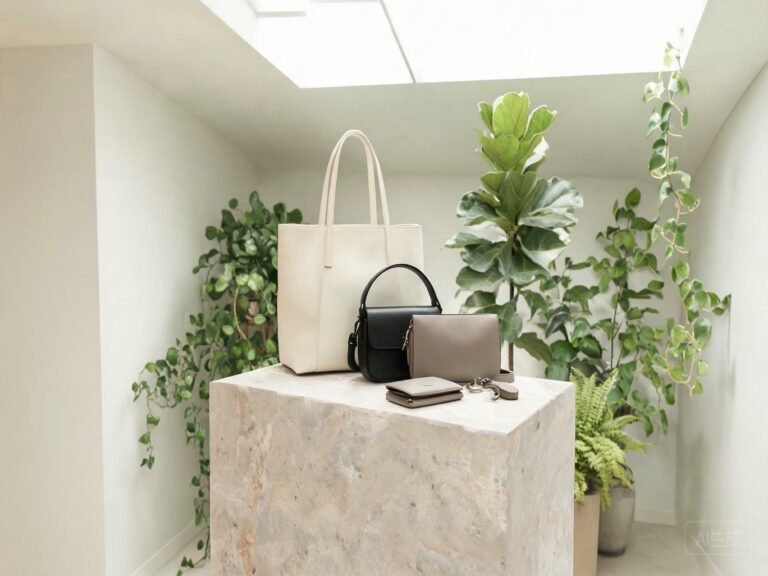
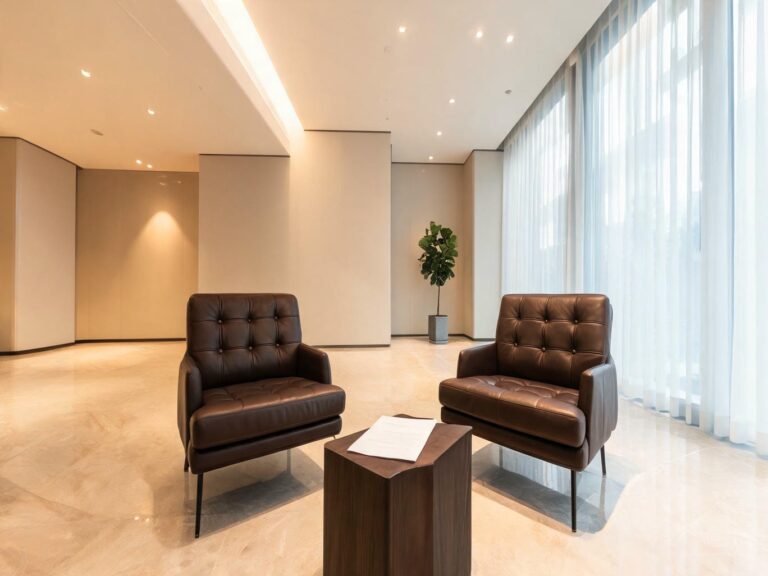
The reddish brown spectrum — from light caramel to deep chestnut — is the most popular color family in leather design
| Shade Name | Description | Common Applications |
|---|---|---|
| Tan / Camel | Light golden-brown with warm yellow undertones | Casual furniture, travel goods, relaxed interiors |
| Caramel / Honey | Warm golden-brown, richer than tan, lighter than cognac | Modern sofas, accessories, light-filled spaces |
| Cognac | Rich amber-brown with distinct reddish-orange undertones — the iconic “luxury brown” | Premium furniture, automotive interiors, luxury bags |
| Saddle Brown | Warm medium-brown with red undertones, named for horse saddles | Rustic interiors, equestrian-style goods, truck interiors |
| Chestnut | Medium-deep reddish brown, darker than cognac, warmer than chocolate | Traditional furniture, classic interiors, library chairs |
| Whiskey / Bourbon | Deep amber-brown with strong reddish tones | Bars, lounges, statement furniture pieces |
| Russet | Reddish-brown with earthy, slightly orange undertones | Rustic/cabin style, vintage-inspired designs |
| Mocha | Deep brown with subtle reddish undertones (more brown than red) | Modern luxury interiors, executive furniture |
| Terracotta / Brick | Strong reddish-brown leaning toward orange-red | Accent pieces, Mediterranean/Southwestern style |
Cognac is the reigning champion of the reddish brown family in 2026 — furniture brands, automakers, and luxury accessories all feature it prominently. It sits right in the sweet spot: warm enough to feel inviting, rich enough to feel premium, and versatile enough to work with almost any interior style. But achieving a true cognac color — that perfect amber-red that looks expensive without looking orange — is notoriously difficult.
Designer tip: Never specify a reddish brown leather by name alone — “cognac” means something different to every supplier. Always request a physical sample under the actual lighting conditions where the product will be used. Color shifts dramatically between natural daylight, warm LED, and fluorescent lighting.
Why Reddish Brown Is Having a Design Moment
Reddish brown leather isn’t a new trend — it’s a classic. But its current resurgence is being driven by several converging design and cultural shifts:
1. The return of warmth. After a decade of cool grays, stark whites, and minimalist interiors, design is moving toward warmth and comfort. Reddish brown brings instant warmth to a space — it feels grounded, inviting, and human. In post-pandemic interior design, where comfort and coziness are top priorities, warm brown is the new neutral.
2. The “quiet luxury” aesthetic. 2026’s dominant luxury aesthetic is understated, heritage-inspired, and built to last. Reddish brown leather — especially cognac and chestnut — fits perfectly. It reads as expensive without shouting. It develops patina that looks better with age. It signals quality and craftsmanship rather than flash.
3. Earthy and biophilic design. The biophilic design trend — bringing nature indoors — favors natural materials and earthy colors. Reddish brown is the color of sun-warmed wood, autumn leaves, and rich soil. It pairs beautifully with plants, natural wood, stone, and woven textures.
4. Automotive interior evolution. In car interiors, black has been the default for decades. But as EV interiors become more like “living spaces on wheels,” warmer colors are gaining ground. BMW’s cognac merino leather, Mercedes’ saddle brown nappa, Lincoln’s brown label interiors — all point to a shift away from all-black everything.
5. Versatility. Reddish brown works with almost every style. It’s at home in a rustic cabin, a mid-century modern living room, a sleek contemporary office, or a traditional library. It pairs with black, white, cream, gray, green, blue, terracotta, and gold. There are very few colors that are this versatile.
Color consistency in silicone leather production — batch-to-batch precision for commercial projects
The Color Consistency Problem: Why Brown Is Hard to Get Right
Here’s the dirty secret of the leather industry: reddish brown is one of the hardest colors to produce consistently. A color that looks perfect on sample #1 might be noticeably different on sample #2 from the same supplier. And on a large commercial order with multiple furniture pieces, the difference between a “good” batch and a “bad” batch can be glaring.

Color consistency depends on tight process control — every step matters
Why is brown so tricky? Several reasons:
- Natural hide variation. Genuine leather starts with a natural material — animal hide — that absorbs dye differently depending on the animal’s age, diet, breed, and even which part of the hide you’re looking at. Two hides from the same batch can take dye differently.
- Multi-dye formulations. Reddish browns are almost never a single dye — they’re a carefully balanced blend of red, yellow, brown, and sometimes black dyes. Change the ratio by even a small amount, and the color shifts noticeably. Too much red and it’s orange. Too much black and it’s muddy.
- Process sensitivity. Dyeing is a chemical reaction, and chemical reactions are sensitive to temperature, pH, time, and concentration. A degree or two difference in the dye bath temperature, a few minutes more or less in the drum, a slightly different pH — and the color comes out different.
- Finishing effects. The topcoat and finishing process change how the color appears. A matte finish vs. a semi-gloss finish, a clear topcoat vs. a tinted one, an embossed grain vs. a smooth surface — all affect the perceived color.
- Patina and aging. Aniline and semi-aniline leathers change color over time as they develop patina from UV exposure, body oils, and use. A cognac leather that looks perfect new might darken, redden, or develop uneven patina after a year of use.
For small residential projects, a little color variation might be charming — it’s “character.” But for commercial projects with dozens or hundreds of matching pieces — hotel lobbies, restaurant chains, office buildings — color inconsistency is a quality defect. If chair #1 is a different shade of cognac than chair #50, it looks like a mistake, not character.
This is one area where synthetic leathers have a significant advantage. Because the color is mixed into the coating formula as a pigment, and the process is fully controlled, synthetic leathers like silicone leather and PU leather can achieve near-perfect batch-to-batch color consistency — Delta E < 1.0, which is below the threshold of human visual detection. For genuine leather, Delta E of 3–5 (clearly visible difference) between hides in the same batch is considered normal.
Get Custom Color Matches for Your Project
Color Fastness: Will That Brown Stay Brown?
Color consistency at delivery is one thing. Color consistency after 3 years of sun exposure, sweat, and cleaning is another. Reddish brown leathers are particularly vulnerable to fading because the red pigments in many dye formulations break down faster under UV radiation than brown or black pigments.
The result: a beautiful cognac leather that gradually fades to a lighter, more orange, or more yellow color — and not evenly. Sun-exposed areas (the top of a sofa back, the dashboard side of a car seat) fade faster than shaded areas, creating a patchy, uneven appearance.
| Material Type | UV Color Fastness (typical) | What Happens Over Time |
|---|---|---|
| Aniline Leather | Poor — 200–400 hours | Fades significantly, develops uneven patina |
| Semi-Aniline Leather | Moderate — 500–800 hours | Some fading, topcoat helps slow it |
| Pigmented Top-Grain | Good — 1,000–1,500 hours | Gradual fading, relatively even |
| PU Leather | Moderate — 500–1,000 hours | Fades, and coating itself degrades |
| Silicone Leather | Excellent — 1,500+ hours | Minimal fading, color stays true |
For projects in sunny climates, or products that will see significant UV exposure (automotive, marine, south-facing windows), color fastness is a critical specification. A material that fades unevenly looks cheap — even if it was expensive when new. Always ask for UV/lightfastness test data before specifying reddish brown for high-UV applications.
Designing with Reddish Brown: Practical Advice
Reddish brown is versatile, but that doesn’t mean every shade works in every space. Here’s practical advice for designers and specifiers:
Match shade to room size and light:
- Small, dark rooms → lighter shades (tan, caramel) — they reflect light and make the space feel bigger
- Large, bright rooms → deeper shades (chestnut, whiskey, mocha) — they add weight and prevent the space from feeling washed out
- North-facing (cool light) → warmer shades (cognac, saddle) — they counteract the coolness of the light
- South-facing (warm, sunny) → more neutral browns or deeper shades — they won’t look washed out or overly orange in strong sun
Pairing reddish brown with other colors:
- With cream / off-white: The classic combination. Warm and inviting, never harsh.
- With dark green: Sophisticated and rich — think library or study. Forest green and cognac are a timeless pair.
- With navy / deep blue: Preppy and polished. Navy and chestnut brown is a menswear-inspired classic that works beautifully in interiors.
- With black: Modern and sharp. Black and cognac creates a high-contrast, contemporary look.
- With gray: Safe and versatile. Warm brown cuts the coldness of gray and makes it feel more inviting.
- With warm wood tones: Match or contrast — similar warm wood tones create a cohesive, monochromatic look; darker wood creates depth
For commercial projects:
- Specify color tolerance (Delta E) in your purchase agreement — aim for ΔE < 2.0 for commercial-grade consistency
- Request a production sample from the actual production batch, not just a lab dip
- For large orders, consider a single production run rather than multiple smaller runs — each run introduces variation risk
- If perfect color consistency is critical (e.g., a 50-chair hotel lobby), consider silicone leather or another pigmented synthetic material
Reddish Brown Is Here to Stay
Reddish brown leather is more than a passing trend — it’s a design classic that’s being rediscovered and reimagined for 2026 and beyond. Cognac, chestnut, saddle, caramel — whatever you call it, the warm reddish end of the brown spectrum delivers a combination of warmth, luxury, and versatility that few other colors can match.
The key to working with reddish brown successfully — whether you’re a designer, a specifier, or a procurement manager — is understanding that not all brown leather is created equal. The shade name tells you very little. What matters is the actual color, the color consistency across production runs, and the color fastness over time. For small residential projects, natural variation can be charming. For commercial projects with dozens of matching pieces, it’s a quality issue.
If you’re working on a project that calls for reddish brown and you need tight color consistency, reliable UV performance, or a shade that’s hard to achieve with genuine leather, silicone leather is worth considering. Because the color is pigmented into the silicone coating in a fully controlled process, we can match almost any shade with near-perfect batch-to-batch consistency — and it’ll stay that color for years, even in sunny locations.
Request Custom Reddish Brown Samples
About TOPSUN
TOPSUN manufactures premium silicone leather in custom colors — including every shade of reddish brown from caramel to deep chestnut. Our pigmented coating process delivers ΔE < 1.0 batch-to-batch color consistency and excellent UV color fastness.
Custom color matching · ΔE < 1.0 consistency · UV stable color · 1500+ hours lightfastness · No color transfer · MOQ-friendly for custom colors · Full sample program