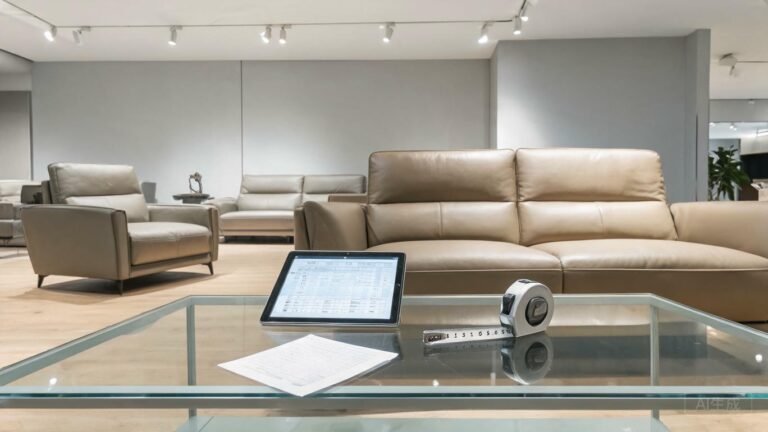
Walk into any furniture showroom and the leather options look similar — genuine, bonded, PU, PVC, silicone leather. Touch them, sit on them, and the differences blur on day one. But fast-forward three years: the genuine leather sofa has developed a patina (or cracked if it’s bonded), the PU is peeling at the seams, and the silicone looks exactly like the day it was installed. Leather & leather isn’t one material — it’s a category with wildly different performance outcomes, supply chain risks, and cost trajectories. Here’s what B2B buyers need to understand before specifying any of them.
Leather & Leather Types: Genuine, Synthetic, and Silicone
The global leather goods market reached $479.73 billion in 2026, growing toward $1.07 trillion by 2035. Genuine leather still holds 79.7% of that market. But “leather” is a catch-all term covering materials that perform radically differently in real-world use:
- Genuine (full-grain/top-grain) — Animal hide processed through tanning. Premium feel, breathable, develops patina. Also the most expensive, variable in quality, and environmentally intensive — chrome tanning accounts for 63% of global production.
- Bonded/reconstituted leather — Leather scraps bonded with polyurethane. Looks like leather initially but delaminates within 2-5 years as the adhesive degrades. Often marketed misleadingly as “real leather.”
- PU synthetic leather — Polyurethane coating on fabric. Cheap, flexible, but hydrolyzes in 2-4 years. Contains DMF solvent residue in traditional production.
- PVC synthetic leather — Vinyl coating. Waterproof but stiffens over time as plasticizers migrate. Contains phthalates.
- Silicone leather — PDMS-coated fabric. Zero VOC, no hydrolysis, 200,000+ Martindale cycles. The newest category and the fastest-growing in B2B procurement.
For a designer or specifier, the daily-use experience diverges sharply between these types. Genuine leather feels premium on day one but requires conditioning and shows wear patterns. PU feels adequate initially but degrades visibly within 3 years. Silicone leather maintains its tactile properties and appearance for 10+ years with no maintenance beyond standard cleaning.

Multiple leather types side by side — visual similarity hides performance divergence
The Chrome Tanning Problem: What 37 Tannery Closures Mean
In March 2025, India’s Central Pollution Control Board ordered the closure of 37 tanneries in Kanpur’s Jajmau cluster for effluent violations. Chrome tanning — which uses chromium(III) salts — accounts for approximately 63% of global leather production. The wastewater contains heavy metals, sulfides, and high biological oxygen demand. Regulatory enforcement is tightening globally, not just in India.
For B2B buyers, this translates to supply chain risk. When tanneries close, hide prices spike, lead times extend, and quality becomes inconsistent as buyers scramble for alternative suppliers. The leather supply chain in 2026 is more volatile than at any point in the past decade. Genuine leather’s 79.7% market share looks dominant — until you realize that share is concentrated in regions facing intensifying environmental regulation.
Synthetic leather avoids the tannery problem but introduces its own risks: PU depends on petrochemical supply chains subject to price volatility, and PVC faces regulation under EU REACH for phthalate content. Silicone leather’s supply chain runs on industrial coating lines with stable raw material sourcing — no animal agriculture dependency, no chrome tanning, no DMF solvents.

Industrial production line — stable supply capacity that tannery closures cannot disrupt
TOPSUN company profile — the manufacturing behind stable leather supply
Genuine Leather vs Synthetic: What Actually Happens After 3 Years
The showroom experience tells you nothing about year three. Here’s what we’ve observed across real-world applications — the timeline that matters for warranty terms and brand reputation:
| Material | Year 1 | Year 3 | Year 5 | Year 10 |
|---|---|---|---|---|
| Full-grain genuine | Premium feel | Patina develops | Conditioning needed | Wear visible |
| Bonded leather | Looks genuine | Peeling starts | Delaminated | Replaced |
| PU synthetic | Soft, flexible | Hydrolysis begins | Cracking, peeling | Replaced |
| PVC synthetic | Stiff, waterproof | Plasticizer migration | Stiffens, cracks | Replaced |
| Silicone leather | Premium feel | No change | No change | Minor wear only |
The table above represents what end-users actually experience — not lab test results, but the day-to-day reality of living with each material. Bonded leather and PU fail within warranty periods. PVC degrades more slowly but becomes unpleasant to touch. Genuine leather ages — sometimes beautifully, sometimes not — but always requires maintenance. Only silicone leather maintains a consistent user experience across the full decade. For more, see our leather goods B2B sourcing guide and silicone vs PU comparison.

Color swatches age differently — the rack doesn’t show what happens after 1,000 cleaning cycles

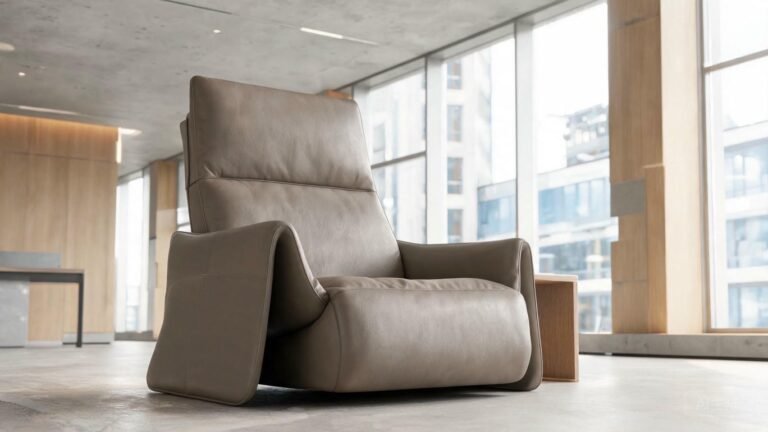
Genuine leather sofa — premium on day one, maintenance-dependent thereafter
Silicone Leather: Stability in an Unstable Supply Chain
For procurement teams evaluating leather & leather options, supply chain stability has become as important as material performance. Genuine leather supply is concentrated in regions facing environmental enforcement. PU depends on petrochemical markets. PVC faces regulatory pressure on plasticizers.
Silicone leather offers a fundamentally different supply profile. Raw materials (silicone polymer, fabric substrate) are industrially sourced with stable pricing. Manufacturing runs on coating lines — no biological processes, no tannery dependency, no seasonal variability. TOPSUN’s 500,000m² monthly capacity across multiple production lines means a single facility disruption doesn’t halt your supply. For global applications requiring multi-year supply agreements with consistent quality, this stability is the deciding factor.
45% of consumers now favor eco-friendly leather alternatives. Sustainable and certified products grew from 15% to 22% of the Chinese market in a single year. The question isn’t whether synthetic and silicone leather will replace genuine — it’s which synthetic type you’ll choose.
Frequently Asked Questions
Is genuine leather always better than synthetic leather?
Not for B2B applications prioritizing durability, consistency, and cost stability. Genuine leather offers premium tactile qualities and breathability, but it requires maintenance, varies in quality between batches, and carries supply chain risk from tannery regulations. For commercial furniture, automotive interiors, and medical applications where consistent performance and minimal maintenance matter more than patina, silicone leather outperforms genuine leather on every measurable metric except tradition.
How do I know if my leather supplier uses chrome tanning?
Ask for a LWG (Leather Working Group) audit certificate and a Restricted Substances List (RSL) compliance document. Chrome-tanned leather will show chromium(III) content in test reports. If your supplier cannot provide tanning process documentation or environmental compliance certificates, assume chrome tanning. Silicone leather eliminates this question entirely — it’s not tanned at all, manufactured through a solvent-free dry coating process with zero heavy metals.
Choosing Within the Leather Category
Leather & leather is a category, not a material. The choice between genuine, bonded, PU, PVC, and silicone determines everything that happens after installation — maintenance requirements, replacement cycles, warranty exposure, and supply chain resilience. Genuine leather still dominates by market share, but that share is eroding as chrome tanning regulations tighten and consumer preferences shift toward sustainable alternatives. For B2B buyers writing material specifications in 2026, the stable choice isn’t the cheapest leather or the most traditional one — it’s the material that delivers consistent performance, stable supply, and a 10+ year service life without the risks embedded in tannery-dependent supply chains. That material is silicone leather.
About TOPSUN
TOPSUN manufactures silicone leather as a supply-chain-stable alternative to genuine and synthetic leather for B2B buyers across automotive, furniture, medical, and consumer applications. Our solvent-free dry coating process bypasses tannery dependency entirely — no chrome, no DMF, no phthalates, no hide-market price volatility.
Zero VOC · No chrome tanning · 200,000+ Martindale cycles · 10+ year lifespan · Trusted by 100+ global brands · 500,000m² monthly capacity