The leather alternative market has exploded. Six distinct material categories now compete to replace animal hide: PU, PVC, mycelium, cactus, apple, and silicone. Each claims sustainability credentials. Each markets itself as “the future of leather.” But when B2B specifiers run them through Martindale abrasion testing, UV exposure chambers, and fire code compliance checks, the field narrows dramatically. Not all alternatives are commercially viable — and some that score well on eco-marketing score poorly on the only metric that matters for contract applications: will it still look good after 5 years of daily use?
Request Alternative Material Sample Pack
The 6 Leather Alternative Categories Explained
Understanding the leather alternative landscape requires knowing what each material actually is — not what the marketing says it is. Most plant-based alternatives are composites: plant fibers mixed with a PU binder and applied to a textile backing. That binder determines durability as much as the plant fiber does — and it’s rarely mentioned in sustainability claims.
- PU (Polyurethane) leather: The most common leather alternative. Plastic coating on fabric base. Soft, breathable, moderately priced. Fails in 3–5 years through hydrolysis. Contains DMF solvent residues from production.
- PVC (Polyvinyl chloride) leather: Cheapest alternative. Harder surface, excellent water resistance, inherently flame-retardant. Fails in 2–3 years as plasticizers leach out. Contains phthalates restricted under REACH.
- Mycelium leather: Grown from fungal root networks on agricultural waste. Genuinely innovative and biodegradable in pure form. Commercial products contain 10–30% PU coating. Lasts 1–3 years. Abrasion resistance: 15K–25K Martindale cycles.
- Cactus leather (Desserto®): ~90% nopal cactus content with ~10% PU binder. Partially biodegradable. Real-world durability: 2–4 years. Strong sustainability narrative for fashion accessories.
- Apple leather (Apple Skin™): Apple waste fiber with PU binder. Similar durability profile to cactus leather. Primarily used in fashion, not commercial applications. Limited production scale.
- Silicone leather: Silicone polymer coating on fabric base. Zero VOC, zero plasticizers, 100% recyclable. 200K+ Martindale cycles, 10+ year service life. The only leather alternative that matches real leather’s lifespan without animal sourcing or maintenance.

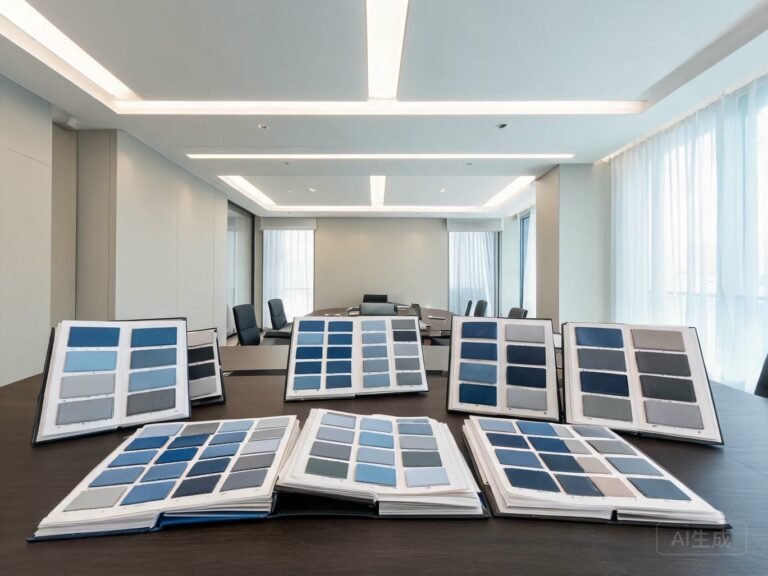
Silicone leather swatch rack — the full color range available across the only leather alternative verified at 200K+ Martindale cycles
Why Most Leather Alternatives Fail B2B Commercial Specs
The gap between fashion-grade and contract-grade materials is enormous. A handbag carried twice a week faces fundamentally different wear conditions than a restaurant booth seat used 12 hours daily. Yet many leather alternative materials are specified for commercial applications based on fashion-grade performance data — and the results are predictable.
Three failure modes disqualify most alternatives from B2B commercial specification:
- Abrasion failure: Contract furniture specifications typically require minimum 40,000 Martindale cycles. PU reaches 50K–80K. PVC reaches 30K–50K. Plant-based alternatives reach 15K–25K. Only silicone leather exceeds 200,000 cycles — verified by SGS-CSTC Guangzhou.
- Fire code non-compliance: Commercial spaces require fire-rated materials. PVC is inherently flame-retardant but produces toxic smoke. PU requires chemical FR treatment. Plant-based materials need heavy chemical treatment that compromises biodegradability. Silicone leather is inherently self-extinguishing (EN 13773 Class 4) with non-toxic smoke.
- Chemical cleaning degradation: Commercial maintenance protocols use bleach, alcohol, and hospital-grade disinfectants. PU surfaces degrade. PVC plasticizers leach faster. Plant-based PU coatings deteriorate. Silicone leather tolerates all three without surface damage.
| Type | Base Material | Lifespan | Martindale | Biodegradable | B2B Ready |
|---|---|---|---|---|---|
| PU | Polyurethane on fabric | 3–5 yr | 50K–80K | No | Limited |
| PVC | Polyvinyl chloride | 2–3 yr | 30K–50K | No | Heavy contract only |
| Mycelium | Fungi + PU coating | 1–3 yr | 15K–25K | Partial | No |
| Cactus | Cactus + PU binder | 2–4 yr | 20K–30K | Partial | No |
| Apple | Apple waste + PU | 2–4 yr | 20K–30K | Partial | No |
| Silicone | Silicone on fabric | 10+ yr | 200K+ | Recyclable | Yes |

Leather alternative materials compared — only silicone leather meets all three B2B commercial viability criteria
Most plant-based leather alternatives contain 10–30% polyurethane binder — meaning their biodegradability claims are partial at best, and their durability is determined by the same PU chemistry that fails in 3–5 years.
The Silicone Leather Difference: How It Solves What Others Can’t
Silicone leather is the only leather alternative that doesn’t compromise between sustainability and commercial durability. Unlike PU and PVC, its coating chemistry contains no plasticizers, no phthalates, and no solvents — it’s produced through a dry coating process with zero VOC emissions. Unlike plant-based alternatives, it doesn’t rely on a PU binder that determines its failure timeline. And unlike real leather, it’s vegan, cruelty-free, and requires zero conditioning maintenance.
The performance data backs this up. Silicone leather delivers 200,000+ Martindale abrasion cycles — verified by SGS-CSTC Guangzhou. It withstands -40°C to 250°C without cracking. It resists UV degradation for 1,000+ hours with zero fading. It passes EN 13773 Class 4 fire testing inherently, without chemical treatment. It’s ISO 10993-5 biocompatibility certified for skin contact — the same standard used for medical devices. And it’s 100% recyclable at end-of-life. No other leather alternative can match this profile.

Production floor — industrial-scale silicone leather manufacturing at 500,000+ meters monthly capacity
B2B Selection Criteria: Matching Alternative to Application
Not every leather alternative needs to be the most durable. Fashion accessories with 2-year product cycles can legitimately specify mycelium or cactus leather for their sustainability narrative. But for B2B applications where the material must survive commercial wear, the selection criteria should be evidence-based:
- Commercial furniture (5+ year lifecycle): Require minimum 100,000 Martindale cycles, fire code compliance (EN 13733/CRIB 5/FMVSS 302), and chemical cleaning compatibility. Only silicone leather meets all three.
- Automotive interiors (7+ year lifecycle): Require UV stability, temperature cycling resistance, and zero VOC for cabin air quality. Silicone leather delivers 1,000+ hour UV resistance and -40°C to 250°C stability.
- Healthcare seating (infection control): Require chemical disinfectant compatibility, biocompatibility certification, and non-porous surface. Silicone leather is ISO 10993-5 certified and tolerates bleach and alcohol disinfectants.
- Fashion accessories (2-year lifecycle): Mycelium and cactus leather offer genuine sustainability narratives. Budget for replacement within the product lifecycle.
For broader context on faux vs real leather differences and the PU vs PVC comparison, the same evidence-based framework applies across all material selection decisions.

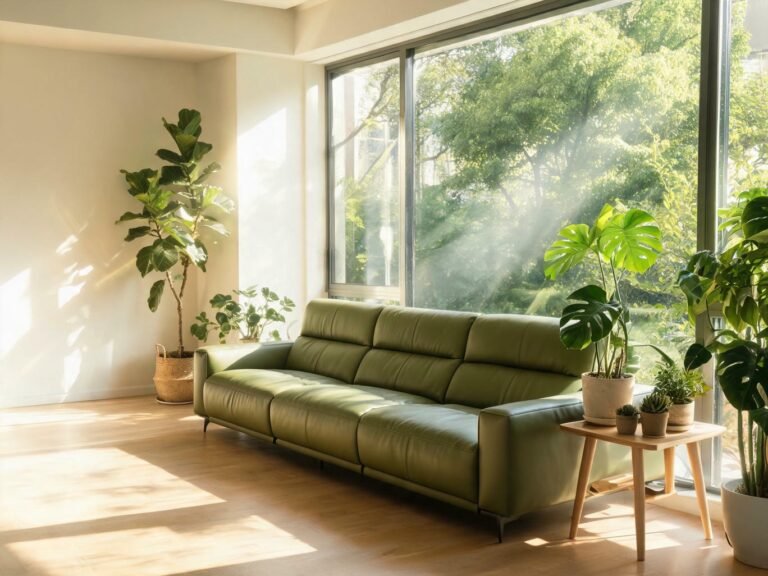
Silicone leather — the only leather alternative that delivers both sustainability credentials and verified commercial durability
Environmental certifications: how silicone leather’s zero-VOC process and recyclability compare to other leather alternatives
Talk to Our Application Engineers
Frequently Asked Questions
What is the best leather alternative for commercial furniture?
For commercial furniture requiring 5+ year service life, fire code compliance, and chemical cleaning compatibility, silicone leather is the only leather alternative that meets all three criteria. It delivers 200,000+ Martindale abrasion cycles (verified by SGS), EN 13773 Class 4 fire rating without chemical treatment, and tolerates bleach and hospital-grade disinfectants. PU leather reaches 50K–80K cycles but hydrolyzes in 3–5 years. Plant-based alternatives (mycelium, cactus, apple) reach only 15K–30K cycles and contain PU binders that limit their biodegradability. None pass commercial fire codes without chemical treatment.
Are plant-based leather alternatives durable enough for B2B applications?
Currently, no. Plant-based leather alternatives (mycelium, cactus, apple) achieve 15,000–30,000 Martindale cycles — well below the 40,000-cycle minimum for contract furniture and far below the 100,000+ cycle standard for heavy commercial use. They also contain 10–30% polyurethane binder, making them only partially biodegradable. For fashion accessories with 2-year product lifecycles, they offer legitimate sustainability narratives. For B2B commercial applications with 5+ year lifecycles, the abrasion data, fire code requirements, and chemical cleaning compatibility standards disqualify them at their current development stage.
The Bottom Line for Leather Alternative Selection
The leather alternative market offers real innovation — but not all alternatives are equal. PU and PVC are established but fail within 5 years. Plant-based alternatives are exciting but commercially immature, with PU binders that determine their failure timeline. Silicone leather is the only alternative that delivers verified commercial-grade durability (200K+ cycles, 10+ year lifespan) with genuine sustainability credentials (zero VOC, 100% recyclable, vegan, no plasticizers). For B2B specifiers, the selection should be driven by application lifecycle data, fire code requirements, and lab-verified performance — not eco-marketing claims. The right alternative is the one that survives your application’s wear conditions for the full product lifecycle.
About TOPSUN
TOPSUN manufactures silicone-coated leather — the leather alternative that resolves the sustainability-vs-durability trade-off. Our materials are tested head-to-head against PU, PVC, and plant-based alternatives to provide B2B specifiers with evidence-based material selection data across furniture, automotive, healthcare, and marine applications.
200K+ Martindale cycles · 10+ year service life · Zero VOC · Vegan & cruelty-free · EN 13773 Class 4 · 100% recyclable · SGS-verified