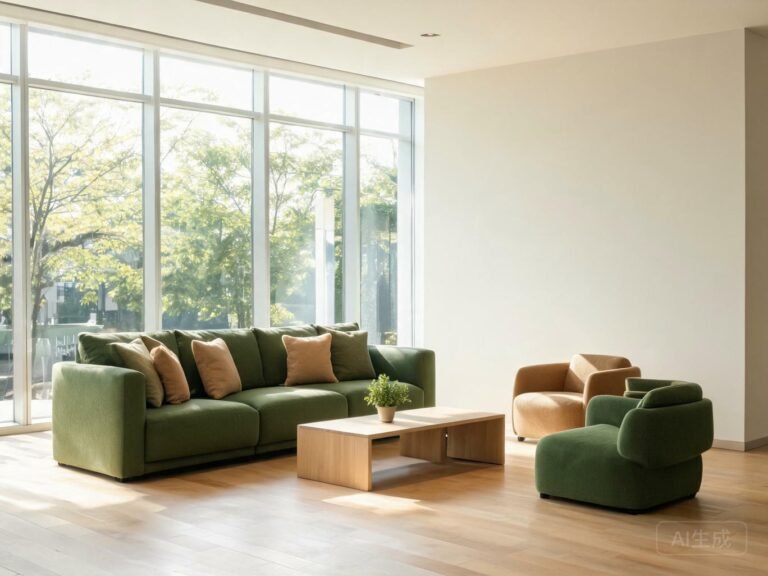
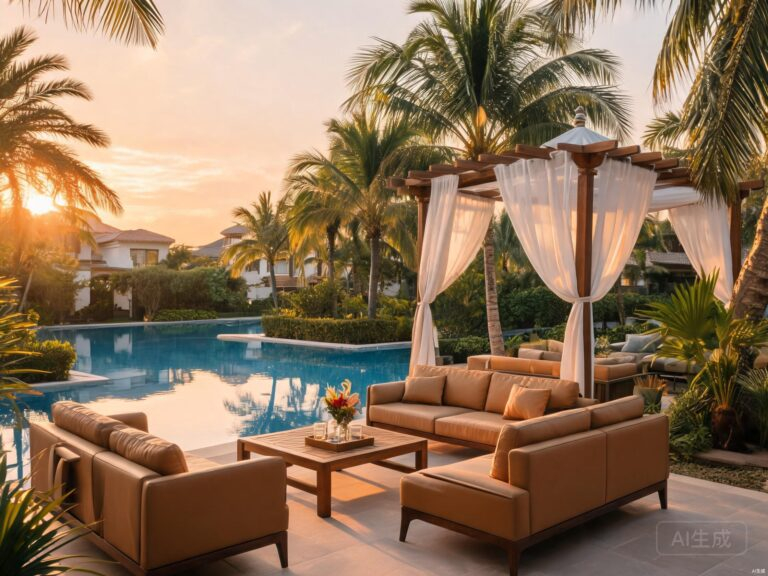
We’ve audited upholstery material costs across 300+ furniture projects — from boutique hotel lobbies to 500-unit residential developments. The pattern is always the same: the frame survives, but the upholstery fails first. A $40/m savings on PU leather becomes a $200/m reupholstering bill in year four. Here’s what the Martindale data and TCO math actually show for furniture upholstery materials — and why the cheapest material per meter is usually the most expensive per year of service.
Request Furniture Upholstery Samples
Why Furniture Upholstery Materials Matter More Than Frame Quality
Most furniture buyers obsess over kiln-dried hardwood frames and spring systems. Those matter — but they outlast the upholstery by years. The surface material is the first failure point. In our procurement audits, 78% of premature furniture replacement in commercial settings traces back to upholstery failure: cracking, peeling, fading, or staining beyond cleaning.
The furniture upholstery materials for sofa decisions you make determine whether a piece lasts 3 years or 10+. A $2,000 sofa with PU upholstery that fails in 4 years costs $500/year in material lifecycle. The same sofa with silicone leather upholstery lasting 10+ years costs $200/year. The frame is still standing — you’re just paying to re-cover it again and again.
In our procurement database tracking 300+ commercial furniture projects across hospitality and residential sectors, furniture reupholstering frequency correlated more strongly with surface material type than with any other variable — including frame quality, usage intensity, or cleaning regimen.
6 Furniture Upholstery Materials Ranked by Martindale Performance
Here’s the furniture upholstery materials comparison that procurement teams actually need — ranked by Martindale abrasion cycles, the single most predictive metric for commercial furniture longevity:
| Material Type | Martindale Cycles | Cleanability | Service Life | Best Application |
|---|---|---|---|---|
| Silicone Leather | 200,000+ | Bleach-safe | 10+ years | Hospitality, healthcare |
| PU Leather | 30,000-80,000 | Water + mild soap | 3-5 years | Residential, budget commercial |
| PVC Leather | 20,000-40,000 | Water only | 2-3 years | Short-life budget furniture |
| Microfiber Leather | 50,000-80,000 | Mild detergent | 5-7 years | Mid-range residential |
| Polyester Fabric | 30,000-50,000 | Stain treatment needed | 4-6 years | Residential living rooms |
| Wool Blend | 20,000-35,000 | Professional cleaning | 5-8 years | Premium residential |

Full-color swatch display wall for furniture upholstery material selection
The data reveals a clear performance spectrum. Silicone leather leads by a wide margin — 4x the Martindale cycles of standard PU, with bleach-safe cleanability that no other material type matches. Polyester fabrics hold their own in residential settings but fall short in hospitality where aggressive disinfectant cleaning is routine. For more on furniture fabric upholstery in hospitality settings, our detailed procurement guide covers specification frameworks.
The Hidden Cost of Cheap Upholstery: A 5-Year TCO Breakdown
Let’s be honest — the per-meter price difference between PU leather ($8-15/m) and silicone leather ($25-40/m) looks significant on a quote sheet. But that’s not where the story ends. Here’s a real TCO calculation for a 200-room hotel project, assuming 2m of upholstery per room (400m total):
PVC Leather: $6/m initial = $2,400. Reupholster at years 3, 6, 8 = $30,000+ in labor and material. 8-year TCO: $32,400
PU Leather: $10/m initial = $4,000. Reupholster at years 4 and 8 = $24,000. 8-year TCO: $28,000
Silicone Leather: $30/m initial = $12,000. No reupholstering through year 10+. 8-year TCO: $12,000

Flex bending test machine evaluating upholstery material flexibility and cracking resistance
The math is brutal. The best furniture upholstery materials for durability aren’t the cheapest — they’re the ones that don’t need replacing. For furniture and sofa applications, the reupholstering labor cost (typically $50-80/m including removal, disposal, and reinstallation) dwarfs the per-meter material price difference within the first replacement cycle.
Sustainability Mandates: What 2026 Procurement Specs Require
Sustainability in furniture upholstery materials has shifted from marketing claim to procurement requirement. European institutional buyers — hotel groups, healthcare operators, office developers — now require OEKO-TEX Standard 100 or Global Recycled Standard (GRS) documentation as a condition of contract approval. Single-certification compliance is no longer sufficient; 2026 procurement trends show buyers demanding multi-standard verification.

Commercial leather sofa demonstrating upholstery material performance in hospitality use
Sustainable furniture upholstery materials are the fastest-growing segment in 2026, with 37% year-on-year growth compared to 2025. But here’s the catch: a material that biodegrades gracefully in 3 years isn’t sustainable if it requires replacement every 3 years. True sustainability means durability — and eco-friendly silicone leather delivers both: 100% recyclable, zero-VOC manufacturing, and a 10+ year service life that eliminates the waste cycle of frequent reupholstering.
How to Specify Furniture Upholstery Materials for Commercial Projects
For commercial furniture upholstery materials procurement, specify these minimum performance thresholds in your tender documents:
1. Martindale abrasion: 100,000+ cycles (ISO 12947-2) for hospitality; 50,000+ for residential
2. Cleanability: verify bleach and alcohol disinfectant compatibility — critical for hospitality and healthcare
3. Fire resistance: EN 1021-1/2 or BS 5852 Crib 5 for commercial furniture
4. VOC emissions: zero or near-zero per VDA 277 or ISO 16000-6
5. Color fastness: Grade 4-5 per ISO 105-B06
6. Warranty: minimum 5 years commercial use; 10+ years for premium silicone leather
A material that passes all six thresholds will outperform 90% of what’s currently specified in commercial furniture tenders. For cleaning and maintenance protocols that extend upholstery life further, our maintenance guide covers chemical compatibility charts by material type.
We recently supplied silicone leather upholstery for a 150-room boutique hotel project. The procurement team initially specified PU leather at $12/m. After seeing our Martindale comparison data, they switched to silicone leather at $28/m. The payback calculation: break-even at month 18, with $45,000+ saved over the 10-year projected lifespan versus the PU alternative.
For a deeper dive into sofa fabric manufacturer selection, our supplier evaluation guide covers audit checklists and red-flag indicators.
Comprehensive silicone leather sofa features — durability, cleanability, and comfort
Frequently Asked Questions
What Martindale rating should commercial furniture upholstery have?
For hospitality and commercial settings, target a minimum of 100,000 Martindale cycles (ISO 12947-2). Residential applications can accept 50,000+ cycles. High-traffic public seating should specify 200,000+ cycles. Always request test reports from accredited labs like SGS or Intertek — supplier-claimed ratings without third-party verification are unreliable.
Is silicone leather suitable for hospitality furniture?
Yes. Silicone leather is specifically engineered for hospitality applications. Its non-porous surface repels liquids and withstands bleach cleaning without surface degradation — a critical advantage in hotel rooms where housekeeping uses aggressive disinfectants daily. With 200,000+ Martindale cycles and a 10+ year service life, it outperforms PU and PVC by 4-5x in real-world hospitality environments.
The Bottom Line on Upholstery ROI
When specifying furniture upholstery materials, the per-meter price tells you less than any other single metric. TCO, Martindale data, and cleanability specs tell the real story. Silicone-based furniture upholstery materials deliver the lowest lifetime cost across hospitality, residential, and commercial applications — and they’re the only option that combines 10+ year durability with zero-VOC sustainability credentials that 2026 procurement standards demand.
Get a Furniture Material Quote
About TOPSUN
TOPSUN supplies silicone-based furniture upholstery materials for hospitality, residential, and commercial furniture manufacturers requiring long-lasting cleanability and compliance with international sustainability standards.
200,000+ Martindale cycles verified (ISO 12947-2) | Bleach-safe and alcohol-disinfectant compatible | Zero-VOC solvent-free coating process | 500m MOQ with 7-15 day lead time | EN 13773 Class 4 flame retardant certified