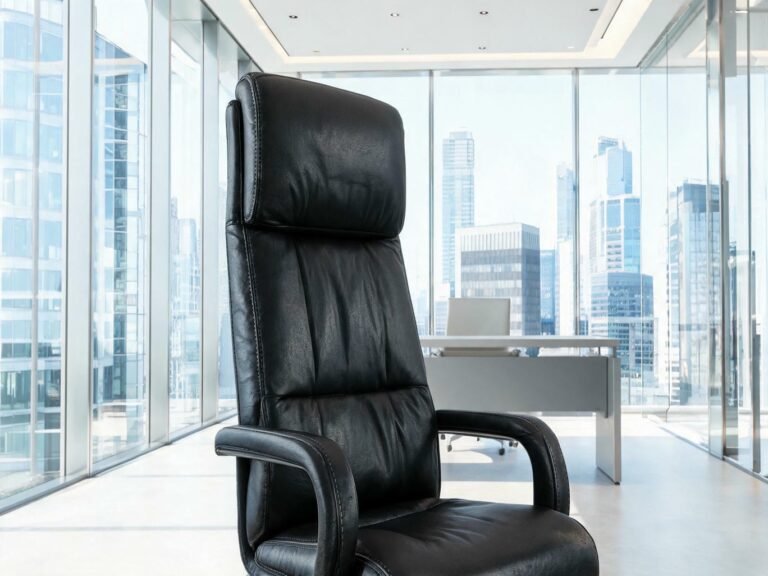
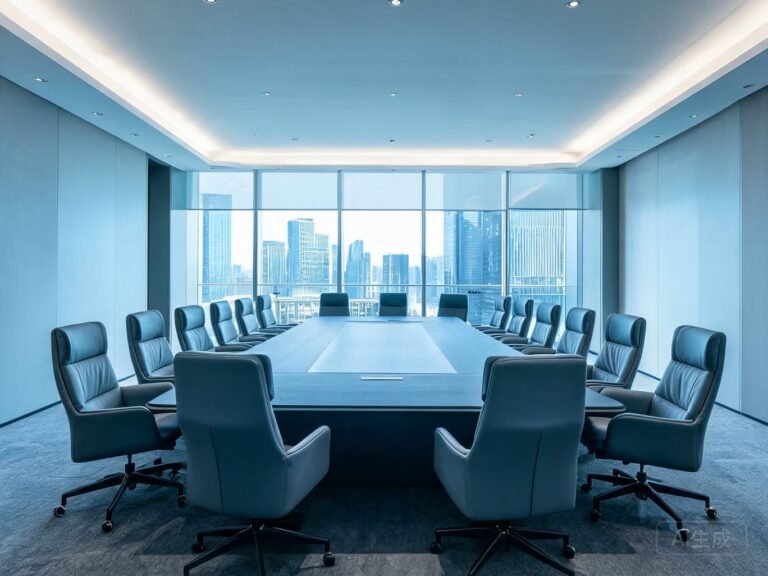
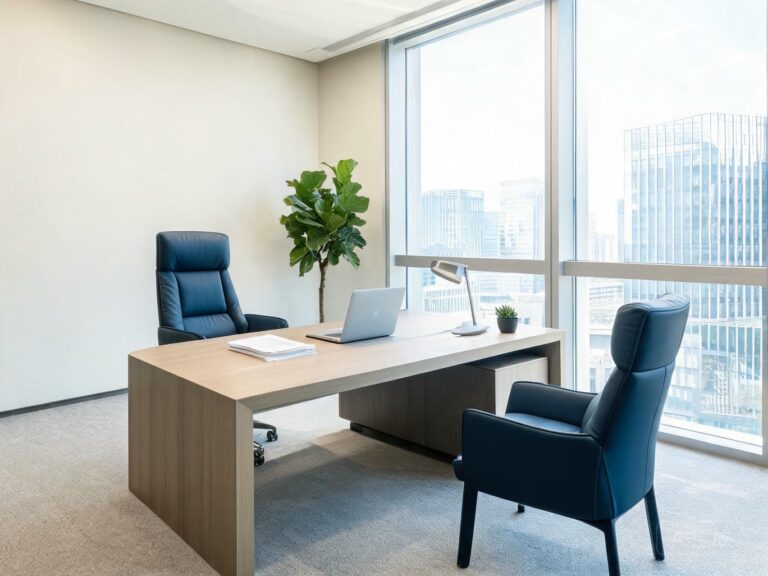
The executive office chair material is often the first thing visitors notice when entering a C-suite or manager’s office. It communicates professionalism, attention to detail, and personal brand long before a single word is spoken. But beyond aesthetics, the material covering an executive chair must handle 8-12 hours of daily use—body heat, perspiration, constant friction from sitting and adjusting posture, and occasional coffee spills. The gap between a material that looks impressive on day one and one that still performs after three years of heavy use is where smart purchasing decisions are made.
Request Executive Material Samples
What Defines a Premium Executive Chair Material
Executive seating occupies the top tier of the office furniture market, and the material selection must match the expectations that come with a $500-$3,000+ price tag. Three performance pillars define a quality executive chair covering: durability against daily wear and friction, comfort during extended sitting sessions (8+ hours is common for executives), and aesthetic consistency—maintaining color, texture, and visual richness without fading or cracking over time. The EPA reports that VOC emissions from furniture materials significantly affect indoor air quality, making material selection an occupational health consideration as well.
The material also needs to work within the specific physical environment of an executive office. These spaces often feature direct sunlight from large windows, controlled but warm HVAC systems, and occasional humidity fluctuations. An executive office chair material that cracks under UV exposure, stiffens in air-conditioned environments, or absorbs body oils and develops dark patches defeats the premium positioning that executives expect. For organizations that already evaluate office chair upholstery materials across their portfolio, the executive tier requires a distinct level of material specification.
Material Comparison: Genuine Leather vs PU vs Silicone
| Property | Genuine Leather | PU Leather | Silicone Leather |
|---|---|---|---|
| Comfort (8hr+) | Excellent initially; stiffens over time | Good; may feel clammy in warm offices | Excellent; maintains softness for 10+ years |
| Breathability | Good (natural pores) | Moderate (depends on backing) | Good (perforated options available) |
| UV/Fade Resistance | Fair (fades without treatment) | Fair (500 hrs before yellowing) | Excellent (2,000+ hrs, no yellowing) |
| Stain Resistance | Poor (absorbs spills) | Moderate (slow absorption) | Excellent (non-porous surface) |
| Abrasion Cycles | 100,000+ | 80,000-100,000 | 200,000+ |
| Lifespan | 5-8 years (with conditioning) | 3-5 years | 10+ years (no conditioning needed) |
Silicone Leather: The Executive Choice Without Compromise
Silicone leather has redefined what’s possible in executive office chair material by combining the luxury appearance and tactile experience of genuine leather with performance characteristics that outlast all traditional alternatives. The material’s silicone-based surface provides a soft, warm hand-feel that rivals top-grain leather, but unlike genuine leather that requires regular conditioning to prevent cracking and drying, silicone leather maintains its suppleness indefinitely without any maintenance.
For executives who spend long hours in meetings and at their desks, comfort consistency matters more than initial impression. PU leather may feel soft on the first week but progressively stiffens and develops surface sheen from body oils. Genuine leather requires periodic conditioning treatments that many busy executives simply don’t perform. Silicone leather eliminates both problems—it retains its original softness and appearance through years of daily use, making it the only material that truly delivers “set it and forget it” luxury.
See how silicone leather performs in office chair applications

Color and Texture Options for Executive Branding
Executive offices increasingly serve as brand expression spaces, and chair material selection plays a significant role in that narrative. Silicone leather offers the widest color palette in the premium upholstery market—with Pantone and RAL color matching available for custom corporate colors. Whether the brand identity calls for classic black, rich cognac, navy blue, or a custom corporate hue, silicone leather delivers consistent color reproduction across production batches without the lot-to-lot variation common in dyed genuine leather.
Texture selection further differentiates executive seating. Lychee grain patterns provide the classic leather look that remains the most popular choice for traditional executive offices. Smooth silk finishes offer a modern, minimalist aesthetic suited to tech companies and creative agencies. Custom embossing—company logos, subtle geometric patterns, or textured finishes—enables branding integration directly into the chair material. For organizations sourcing commercial furniture materials across multiple product lines, silicone leather’s customization flexibility streamlines the specification process.

Procurement Tip: When sourcing executive chair materials for fleet orders (50+ chairs), request a consistent batch production run. Silicone leather’s color stability across batches exceeds PU and genuine leather, reducing the risk of visible color mismatch between chairs ordered at different times. Always verify Martindale ratings above 100,000 cycles for executive-tier applications.
Performance Under Real Executive Use Conditions
Executive chairs face a specific combination of stressors that differ from general office seating. The typical executive sits for 8-12 hours daily, often in high-pressure meetings where posture shifts are frequent and forceful. Belt buckles, watch clasps, and jewelry create concentrated friction points on armrests and seat edges. Coffee, tea, and lunch spills are common during working meals. Weekend office visits add extended hours that compound material fatigue.
Color fastness is another critical factor. Executive offices with south-facing windows can receive 6-8 hours of direct sunlight daily, accelerating material degradation. Silicone leather’s color fastness rating (Grade 4-5 on the ISO 105-B02 scale) means executive chairs maintain their original color even in sun-drenched corner offices where PU leather would yellow within 12-18 months. This color stability eliminates the embarrassment of mismatched replacement chairs in executive suites.

Frequently Asked Questions
Can silicone leather match the premium feel of genuine Nappa leather?
Silicone leather replicates the tactile qualities of premium leather effectively—soft, supple, with natural-looking grain patterns. While leather purists may detect a subtle difference, most users and visitors cannot distinguish silicone leather from genuine leather in blind comparisons. The advantage is that silicone leather maintains this premium feel for 10+ years without conditioning, while genuine Nappa requires regular maintenance to prevent surface deterioration.
Is silicone leather breathable enough for long executive meetings?
Silicone leather offers solid breathability, especially when perforated options are selected. The material doesn’t absorb sweat like fabric, but its non-porous surface actually prevents the damp, clammy feeling that PU leather develops during extended sitting. For executives concerned about temperature management, perforated silicone leather combined with ergonomic mesh back designs delivers excellent airflow and comfort for 10+ hour workdays.
What’s the environmental advantage of silicone leather for corporate sustainability goals?
Silicone leather is manufactured through a solvent-free dry coating process with zero VOC emissions—no PVC, no phthalates, no heavy metals, and no DMF solvents. The material is 100% recyclable, and its 3x longer lifespan compared to PU leather means significantly less furniture waste over a building’s lifecycle. For companies with ESG reporting requirements, specifying silicone leather contributes to measurable reductions in VOC emissions, landfill waste, and chemical hazard exposure in the workplace.
Investing Wisely in Executive Chair Materials
The right executive office chair material balances brand expression, long-term performance, and total cost of ownership. Genuine leather delivers immediate prestige but demands ongoing maintenance and shows wear faster than most executives expect. PU leather offers budget-friendly alternatives but falls short on longevity and stain resistance. Silicone leather delivers the best long-term value: premium appearance, zero maintenance, superior stain and abrasion resistance, and consistent performance for a decade or more.
For procurement teams specifying chairs for multiple executives, standardizing on silicone leather ensures visual consistency across the leadership suite while minimizing lifecycle costs. Request physical swatches in your target colors, test stain resistance with coffee and ink, and verify the manufacturer’s abrasion ratings before committing to a bulk order.
Order Executive Chair Material Samples
About TOPSUN
TOPSUN is a leading silicone leather manufacturer offering premium upholstery materials for executive office furniture, commercial seating, and automotive interiors. With 500,000 meters monthly capacity, Pantone/RAL color matching, and 100+ custom textures, we supply OEM furniture manufacturers and corporate procurement teams worldwide.
Certifications: REACH compliant, FDA food-contact certified, ISO 10993 biocompatibility, California Prop 65.