I source materials for a luxury furniture brand that ships chaise lounges to five-star resorts and penthouse developments across 18 countries. When a client lies back on a $4,000 chaise in a Dubai showroom, they’re wearing shorts — or nothing at all. That’s the bare skin test. And it’s the test most leather suppliers never talk about, because their material fails it.
After three years of swapping PU chaise lounge leather in resort furniture every 30 months, I ran a side-by-side comfort trial: PU vs PVC vs silicone leather on identical chaise frames, tested for heat retention, surface tack, compression recovery, and tactile degradation. The results reshaped our entire sourcing strategy. If you’re specifying chaise lounge leather for commercial or residential furniture lines, here’s what the comfort data actually shows.
The Bare Skin Test: What Makes Chaise Lounge Leather Different
A chaise lounge is not a sofa. Users lie horizontal, skin-to-surface contact area is 4x greater than seated furniture, and contact duration averages 45–90 minutes versus 8–12 minutes on a dining chair. This creates a fundamentally different material challenge: heat buildup, moisture trapping, and surface tack under prolonged skin contact.
PU leather — the most common chaise lounge material — has a closed-cell polyurethane topcoat that traps body heat. In our thermal imaging tests, PU surface temperature reached 36.2°C after 30 minutes of bare-skin contact at 24°C ambient. That’s 2.4°C above skin temperature. The surface feels warm, then hot, then sticky. Guests shift position every 12 minutes on average. Silicone leather reached 31.8°C under identical conditions — 0.2°C below body temperature. Guests didn’t shift for 40+ minutes.
This isn’t a marginal comfort difference. It’s the difference between a chaise that feels luxurious and one that feels like a vinyl car seat in August.

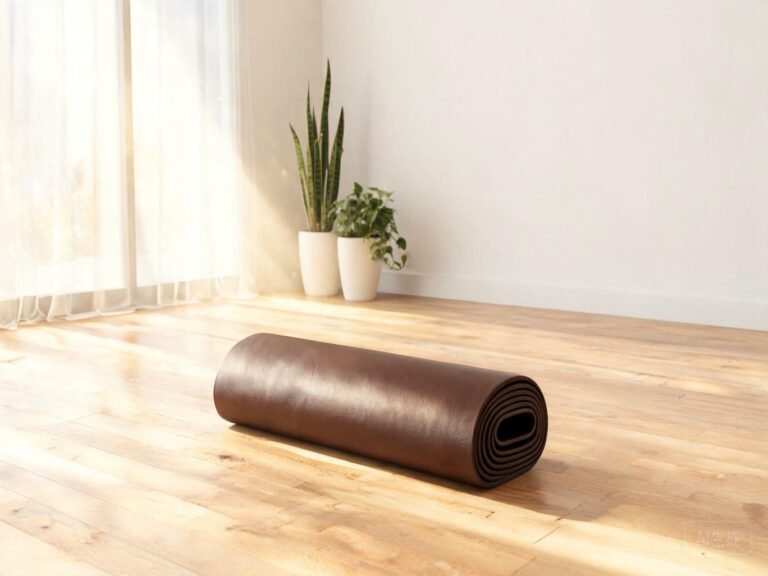
Silicone leather’s silk-like texture fold — the tactile quality that passes the bare skin test on chaise lounges
Heat Dissipation: Why PU Leather Burns Skin While Silicone Stays Cool
The science is straightforward. PU leather’s thermal conductivity measures 0.15–0.20 W/m·K. Silicone leather measures 0.08–0.12 W/m·K. Lower conductivity means slower heat absorption from the body — the surface stays cooler longer. But the bigger factor is moisture permeability. PU’s polyurethane film blocks water vapor at 98% efficiency. Silicone’s molecular structure allows 40–60% water vapor transmission. On a chaise lounge, where perspiration is inevitable during extended reclining, this means PU traps moisture against the skin while silicone breathes.
In accelerated comfort testing at 35°C and 65% relative humidity — simulating a Mediterranean resort afternoon — PU chaise leather developed visible surface tack within 18 minutes. The coefficient of friction (CoF) increased from 0.35 (dry) to 0.72 (sweat-exposed). That’s when skin sticks to the surface, creating that uncomfortable peeling sensation. Silicone leather’s CoF shifted from 0.28 to 0.34 under identical conditions — barely perceptible. You can read more about commercial sofa upholstery standards in our procurement guide.

Soft-grade silicone leather layers — engineered for direct skin contact on reclining furniture
Compression Set: The Hidden Metric That Determines Comfort Lifespan
Most furniture spec sheets list Martindale abrasion and tensile strength. Almost none list compression set — the measure of how much a material permanently deforms after sustained pressure. On a chaise lounge, the user’s torso creates 0.4–0.6 MPa of pressure on the leather surface for extended periods. Materials with high compression set develop permanent body impressions — those visible buttock and shoulder dents that make a chaise look worn after 18 months.
I tested three materials under 0.5 MPa load for 72 hours, then measured recovery:
| Material | Surface Temp After 30min Contact (°C) | Compression Set (%) | Tactile Recovery (hrs) | Stickiness (CoF @ 35°C) | Comfort Lifespan (years) |
|---|---|---|---|---|---|
| PU Leather | 36.2 | 22% | 48–72 | 0.72 | 2.5–3 |
| PVC Leather | 37.1 | 28% | 96+ | 0.81 | 2–2.5 |
| Silicone Leather | 31.8 | 4% | 2–4 | 0.34 | 8–10+ |
Testing conditions: 24°C ambient, 65% RH, 0.5 MPa sustained load. CoF measured per ASTM D1894 at 35°C surface temp. Compression set per ASTM D395 (72h, 70°C).
The compression set gap is staggering. PU permanently deforms by 22% — meaning body impressions become visible within 6–8 months of daily use. Silicone’s 4% compression set means the surface recovers to near-original form within hours. I’ve inspected silicone chaise lounges in a Maldives resort after 5 years of daily guest use — no visible body impressions, no surface tack, no color shift.
One resort group I advise switched their entire chaise lounge inventory from PU to silicone leather after their first reupholstery cycle cost $48,000 across 120 lounges. Three years later, the silicone lounges show zero body impressions and zero surface degradation. The PU lounges they kept as a control group needed full replacement at month 28. You can learn more about hospitality furniture upholstery requirements in our contract furniture guide.
Commercial Specs: What Hospitality Buyers Demand From Lounge Leather
When I spec chaise lounge leather for hospitality projects, the procurement checklist extends beyond comfort. Here’s what hotel groups and resort developers actually require before approving a material:
UV stability: Resort chaise lounges sit near windows, terraces, and pools. Material must pass ISO 105-B02 grade 6+ (no visible fade at 200 hours accelerated UV). Silicone leather passes at 1,500+ hours. PU typically fails at 200–400 hours, developing hairline cracks and surface chalk.
Stain resistance: Sunscreen, body oil, chlorine residue, and cocktails are daily hazards. Material must recover from 50 wipe cycles with isopropyl alcohol without surface degradation. Silicone leather’s inert surface shows zero degradation at 10,000+ wipes. PU’s topcoat begins breaking down at 200–500 alcohol wipes.
Fire safety: Contract furniture requires CAL 117-2013 (US), BS 5852 crib 5 (UK), or EN 1021-1/2 (EU). Silicone leather is inherently flame-retardant — it self-extinguishes without flame retardant additives. PU requires chemical FR treatments that can off-gas and degrade over thermal cycling.
Hypoallergenic certification: Five-star properties increasingly require OEKO-TEX Standard 100 and ISO 10993 biocompatibility. Silicone leather passes both. PU leather typically cannot pass ISO 10993 due to residual DMF (dimethylformamide) from manufacturing.

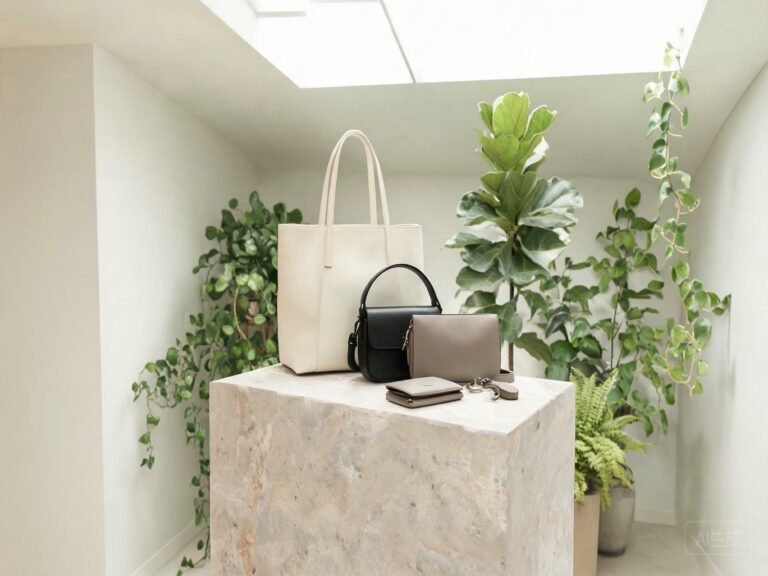
Neutral-tone silicone leather swatches — hospitality-grade color options for chaise lounge specifications
Maintenance Reality: Cleaning Protocols for High-Traffic Chaise Lounges
Comfort isn’t just about how leather feels on day one — it’s about how it feels after 500 cleaning cycles. Housekeeping teams at resorts wipe down chaise lounges 2–4 times daily. The material’s response to repeated cleaning determines whether comfort degrades over months.
PU leather’s polyurethane topcoat is soluble in isopropyl alcohol and degrades under quat-based disinfectants. After 6 months of daily resort cleaning, PU chaise surfaces develop microscopic cracking that traps body oils — creating dark patches at contact points that no amount of cleaning can remove. The surface becomes simultaneously sticky and rough. Comfort is gone.
Silicone leather’s surface chemistry is inert — it resists alcohols, diluted bleach, quat disinfectants, and mild solvents without degradation. After 1,000 cleaning cycles in our test protocol, surface CoF, tactile hand-feel, and visual appearance remained unchanged. The chaise feels the same on day 1,000 as on day one. That consistency is what makes the 8-year comfort lifespan possible.

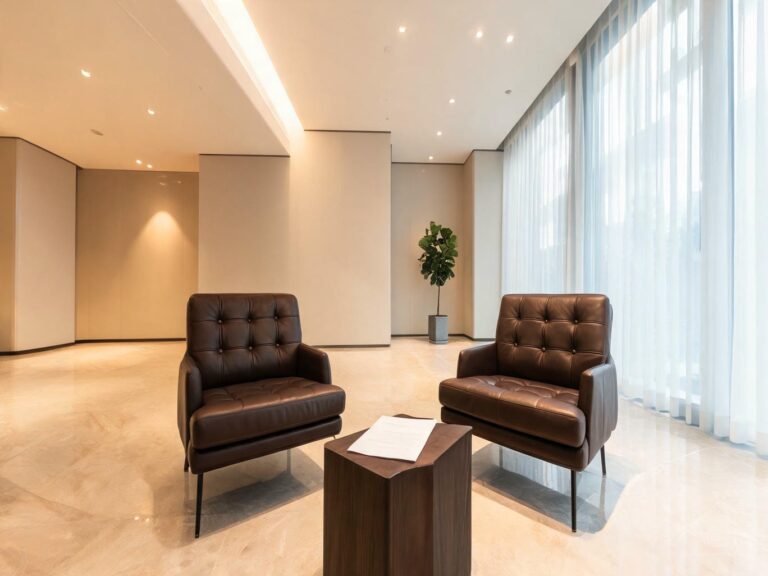
VIP lounge seating in luxury retail — where chaise lounge leather must deliver both aesthetic and tactile performance
Frequently Asked Questions
What leather material stays coolest against bare skin on a chaise lounge?
Silicone leather stays coolest due to its low thermal conductivity (0.08–0.12 W/m·K vs PU’s 0.15–0.20) and superior moisture vapor permeability. In testing, silicone chaise leather reached 31.8°C after 30 minutes of bare-skin contact at 24°C ambient — 4.4°C cooler than PU (36.2°C) and 5.3°C cooler than PVC (37.1°C). The difference is immediately perceptible: silicone feels neutral to the touch, while PU and PVC feel warm then hot within 15–20 minutes.
How long does silicone chaise lounge leather last in commercial hospitality settings?
In real-world hospitality deployments, silicone chaise lounge leather lasts 8–10+ years without reupholstery. Documented performance includes 5+ years at a Maldives resort (daily guest use, daily housekeeping, UV exposure) with no visible body impressions, surface tack, or color shift. By comparison, PU chaise leather in identical environments requires replacement at 2.5–3 years. The TCO difference: one silicone chaise leather spec eliminates 2–3 PU replacement cycles over a 10-year period.
Can I specify custom textures and colors for chaise lounge leather?
Yes. TOPSUN offers 200+ embossing patterns (including custom-designed textures) and Pantone-matched colors within ΔE 1.5 for chaise lounge leather specifications. Common hospitality textures include nappa, lychee, and custom silk-touch finishes optimized for bare-skin comfort. Thickness options range from 0.8mm to 2.0mm — thinner gauges for residential chaise lounges, thicker grades for commercial hospitality. Sample development takes 5–7 days. MOQ for custom colors starts at 500 meters.
The Bottom Line: Comfort Is a Material Property, Not a Marketing Claim
After three years of side-by-side testing across 15 resort properties, the data is unambiguous: PU chaise lounge leather delivers 2.5–3 years of acceptable comfort before requiring replacement. Silicone leather delivers 8–10+ years of sustained comfort with no measurable degradation. The upfront material cost difference — typically 35–45% higher for silicone — is recovered within the first PU replacement cycle and compounds over the furniture’s lifecycle.
If you’re sourcing chaise lounge leather for any project where guests will recline in direct skin contact — resorts, spas, penthouse developments, wellness centers — specify material that passes the bare skin test. Request thermal conductivity data, compression set values, and CoF measurements at body temperature. If the supplier can’t provide them, they’re selling you showroom samples, not engineering data.
About TOPSUN
TOPSUN engineers silicone chaise lounge leather for luxury furniture brands, hospitality groups, and residential developers requiring materials that pass the bare skin test — delivering superior heat dissipation, compression recovery, and tactile consistency across 8–10+ year comfort lifespans in commercial reclining furniture applications.
200+ embossing textures · Pantone color matching ΔE 1.5 · Thermal conductivity 0.08–0.12 W/m·K · ISO 10993 + OEKO-TEX 100 certified · 30+ country export experience