The client call came in on a Tuesday. A hotel group had specified genuine leather for 240 banquette seats across three restaurant projects. Their fabric house quoted a fourteen-week lead and a price that broke the FF&E budget. The procurement lead asked us one question: can vegan upholstery leather pass a three-year inspection in a high-traffic dining room? We answered with a spec sheet instead of a brochure. Two years later, those seats have not been reupholstered once.
This article walks through the market shift behind that project, the abrasion numbers that decide contract bids, the case data itself, and a decision tree for matching material to project type.
Why Contract Furniture Keeps Choosing Vegan Upholstery Leather
Contract furniture lives on deadlines and budgets. Genuine hides cannot promise either. Market data shows where the industry is heading. MarketsGlob values the synthetic leather for furniture market at $11.38 billion in 2025. It projects $18.52 billion by 2032, a 7.2% CAGR. The report credits cruelty-free preferences, hospitality expansion, and PVC-free innovation as the main drivers.
For an interior architect, that shift is practical, not ideological. Sheet materials arrive on rolls with consistent width, color, and grain. Yardage is predictable, so cutting schedules and cost-per-seat math hold. A hide lot never does.

Banquette seating takes food spills, denim transfer, and constant friction every service day.
The Martindale Numbers Behind Vegan Upholstery Leather Bids
Contract specifiers argue about Martindale counts the way engineers argue about load ratings. Industry trade fabric specialist Kothea puts standard PU leather at 30,000 to 80,000 Martindale rubs. PU on a microfiber non-woven backing can exceed 100,000 rubs and approach PVC performance. Note that Martindale and Wyzenbeek scores are not directly comparable, so always check which test a bid references.
Our own silicone upholstery material is verified past 200,000 Martindale cycles in house. That margin matters. A dining chair in a busy restaurant may take several thousand abrasion cycles a month. At 50,000 rubs, the surface shows wear inside two years. At 200,000, the fabric outlasts the foam and the frame. We run every batch through an in-house abrasion line before release, and we publish the report with the shipment.

Color fastness and rub testing run on every batch, not just the golden sample.
Request Contract Upholstery Samples
Case Study: 240 Banquette Seats, Three Years, Zero Reupholstery
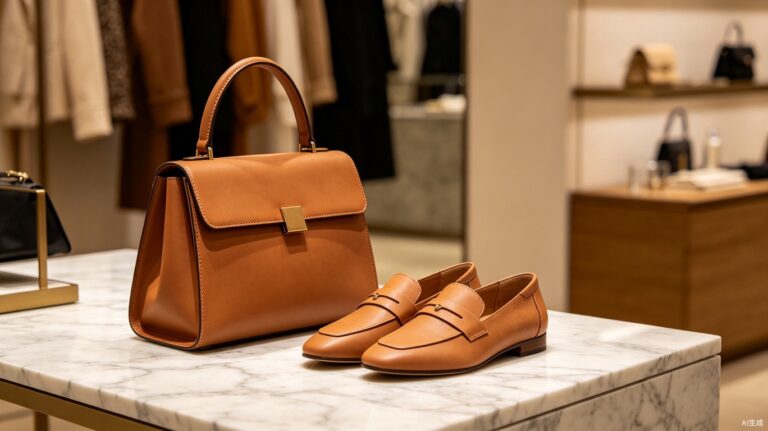
Here is how the hotel project actually ran. The client needed a warm cognac tone with a light pebble grain, matched to their joinery samples. We produced Pantone-matched swatches within ten days. The approved build was our silicone sheet on a woven backing, 1.2 mm thick, with a BS 5852 compliant fire package for contract seating.
Installation covered three dining rooms in one phase. The upholstery contractor reported clean cutting yield and stable roll width. No topcoat cracks appeared during rail transit or on-site storage. That last point matters more than spec sheets admit. Winter deliveries crack cheap PU coating before a single guest sits down.
The three-year walkthrough found no delamination, no edge lift on the seat rails, and no color shift under the dining room lighting. Cleaning crews use diluted neutral detergent daily. The maintenance budget line for reupholstery has stayed at zero. The client has since specified the same build for two more properties. Full project details appear in our furniture and sofa application guide.
How our commercial sofa material handles daily contract use, from spill tests to flex endurance.
The Specs That Carry a Vegan Upholstery Leather Project
Abrasion wins the bid, but three quieter specs decide whether the project ages well. Treat them as pass or fail lines:
- Hydrolysis resistance: PU coatings absorb moisture and flake from the inside out. Ask for humidity chamber data. Our material passes 14 weeks at 85°C and 85% relative humidity with no hydrolytic cracking.
- Fire code compliance: contract seating needs documented performance. Confirm the exact standard per market: BS 5852, EN 13773, or FMVSS 302 for transport seats.
- Cleanability: hospitality spills include wine, sunscreen, and disinfectant wipes. Grade 4-5 color fastness plus chemical resistance keeps daily sanitation from dulling the surface.
The chemistry behind these specs is not identical across suppliers. If your bid compares quotes side by side, our silicone versus PU comparison page breaks down where the two chemistries diverge under humidity, UV, and cleaning chemicals.

Consistent roll width and grain keep seam alignment clean across a full seating run.
How long does vegan upholstery leather last compared with genuine leather?
In contract use, well-specified synthetic material often outlasts mid-grade hides. Genuine leather cracks at fold points and absorbs stains that professional cleaning cannot fully lift. Silicone-based upholstery holds flexibility past 200,000 Martindale cycles and resists the hydrolysis that shortens PU life to a few years in humid rooms.
What should a contract bid ask for beyond price per meter?
Ask for the test report behind each claim, not the claim itself. Demand Martindale data on the exact construction, humidity chamber results, fire certificates for your market, and batch-level quality records. A supplier who ships reports with rolls is a partner. A supplier who ships swatches only is a risk you reupholster later.
Decision Tree: Choosing Vegan Upholstery Leather by Project Type
Match the material tier to the duty cycle. Use this routing before you request quotes:
- High-traffic hospitality and restaurants: silicone sheet on microfiber backing, 1.2-1.4 mm, fire package included. Pay the premium once and skip the reupholstery cycle.
- Short-lease and refresh-cycle projects: standard PU on woven backing is a defensible budget pick. Pair it with a realistic 2-3 year service plan.
- Healthcare and institutional seating: near-zero VOC silicone construction with chemical resistance documentation. Disinfectant protocols destroy ordinary coatings.
- Outdoor and marine seating: silicone material rated for UV 1,500 hours and -40°C cold flexibility. Verify both before award.
The pattern across every successful project is the same: the spec decides the outcome, not the swatch. Write the numbers into the bid, demand the reports behind them, and vegan upholstery leather will hold up as well on inspection day three as it did on install day one. If you want a second pair of eyes on your next seating spec, talk to our project team.