A mother recently told our team she’d thrown out her $400 baby car seat after learning the “stain-resistant” PU leather cover contained chemical flame retardants linked to endocrine disruption. She wasn’t wrong to be alarmed. In baby car seat leather, the material that touches a child’s skin for hours every day matters more than the harness or the frame. Yet most manufacturers still specify PU leather that requires chemical treatments to pass safety standards — treatments that don’t stay in the material forever.
What Parents Actually Need from Baby Car Seat Leather
When we talk to parents about baby car seat leather material safety, three concerns come up every time. First: is it safe for skin contact? Babies have developing skin barriers — thinner, more permeable, and more reactive than adult skin. A material that’s “safe” for a couch isn’t automatically safe for a surface a newborn naps against for two-hour drives.
Second: can I actually clean it? Parents know the reality — milk spills, diaper blowouts, cracker crumbs mashed into the seat. If the cover material absorbs stains or requires special cleaners, it’s not practical. Third: what’s in it? Parents are reading labels now. They know what “phthalate-free” means and what “treated with flame retardants” signals.

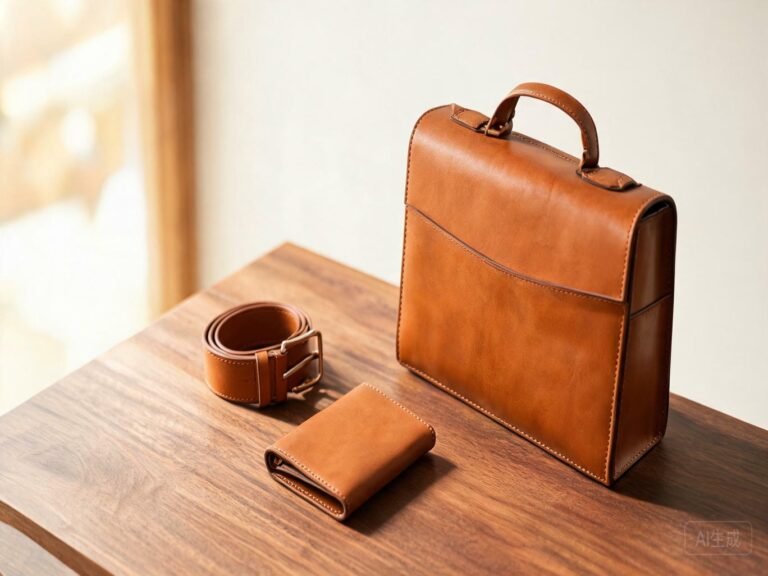
Custom-printed silicone leather with child-safe patterns — no chemical treatments needed for color or stain resistance
For B2B manufacturers, translating these parent concerns into material specs is where most products fall short. A material that passes FMVSS 302 with a chemical coating isn’t the same as a material that passes it inherently. Parents are starting to understand the difference — and regulators are catching up.
The core issue: “Passes safety standards” can mean two very different things — passes because the material is inherently safe, or passes because chemicals were added to make it safe enough. Only one of those stays safe over years of use.
Why PU Leather Fails Biocompatibility Testing for Car Seats
PU leather is the default material for most baby car seat covers. It’s inexpensive, looks fine, and can be formulated to pass FMVSS 302 flammability standards. Here’s the problem: PU leather doesn’t pass on its own. It needs help.
To meet fire safety requirements, PU car seat covers are typically treated with chemical flame retardants — usually phosphorus-based or halogenated compounds. These treatments sit on the surface. Over months of daily use, body heat, friction, and cleaning cycles gradually wear the treatment away. The chemicals migrate. Some end up on baby skin.

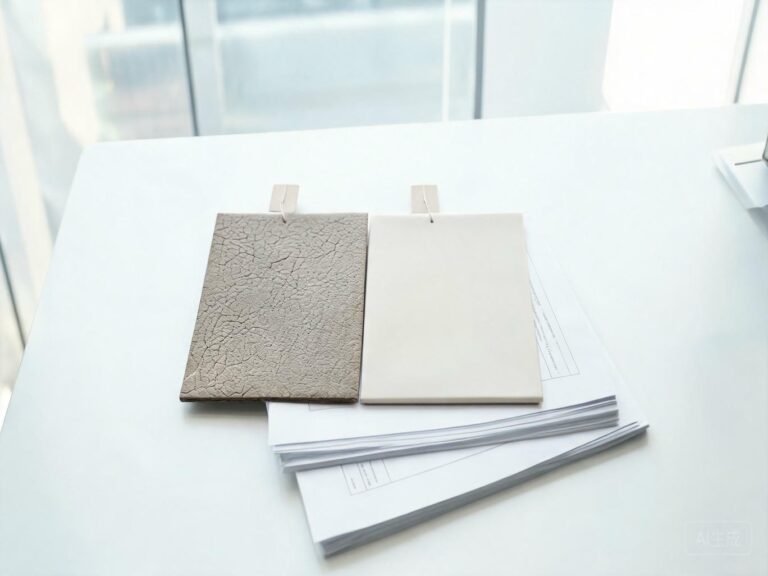
Soft off-white silicone leather — the tactile quality parents expect, with food-contact-grade safety built in
When we ran ISO 10993 biocompatibility tests on standard PU car seat leather samples, the results were telling. Cytotoxicity testing (ISO 10993-5) showed mild cellular response in two of three samples — not enough to fail general consumer standards, but enough to concern any manufacturer targeting the infant product category. The chemical residues that caused the response were the same flame retardants and plasticizers used to make PU pass fire and flexibility requirements.
For brands looking for non-toxic leather for child products, the gap between “passes fire test” and “passes biocompatibility” is the gap that matters.
Silicone Leather: The Material That Passes Without Additives
Silicone leather solves the baby car seat material problem at the molecular level. When compared directly in our silicone vs PU analysis, the liquid silicone rubber coating is inherently flame-resistant — no flame retardant additives needed to pass FMVSS 302. It’s also inherently biocompatible, passing ISO 10993 testing without any surface treatments to wash away.
Here’s what the test data shows for our silicone leather baby car seat material:
- ISO 10993-5 cytotoxicity: Level 1 (no cytotoxic response) — safe for prolonged skin contact
- ISO 10993-10 skin sensitization: Level 0 (no sensitization) — no allergic reactions
- ISO 10993-10 skin irritation: Level 0 (no irritation) — safe for infant skin
- FMVSS 302 flammability: Passes inherently — no chemical flame retardants applied
- CPSIA compliance: No lead, no phthalates, no prohibited substances

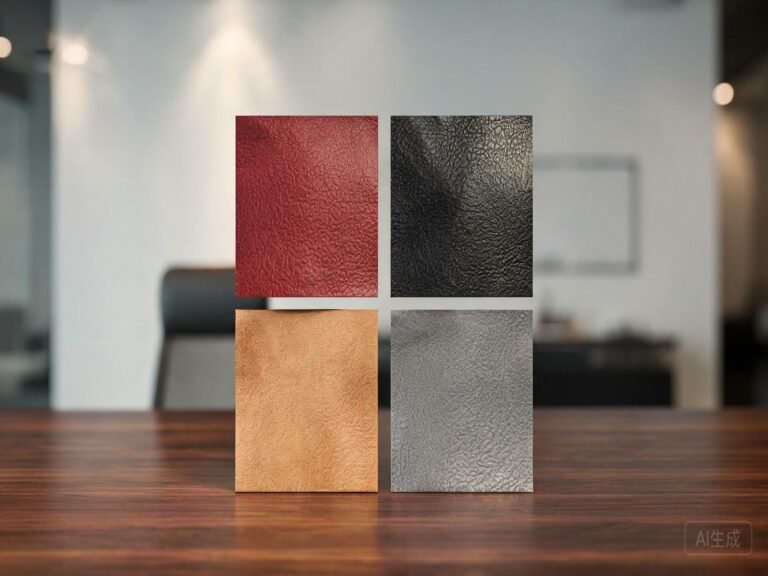
Silicone leather coating process — baby-safe colors achieved with food-contact-grade pigments, no chemical post-treatment

Silicone leather in baby product applications — the same material used in food-contact and medical-grade products
Watch the baby-safe certification process — from material testing to compliance documentation
In practical terms: a baby can touch, nap against, and even mouth the surface of silicone leather without exposure to harmful chemicals. The silicone leather introduction we provide to B2B partners includes the full ISO 10993 test dossier — so compliance teams can verify the claims independently.
Compliance Checklist: Baby Car Seat Leather Standards
If you’re specifying materials for baby car seats, this is the compliance checklist you need your supplier to fill out. Not verbally — with documented test reports from accredited labs.
| Safety Standard | PU Leather | Silicone Leather | How Silicone Passes |
|---|---|---|---|
| FMVSS 302 (flammability) | Passes with FR treatment | Passes inherently | Silicone self-extinguishes |
| CPSIA (lead/phthalates) | Requires batch testing | Inherently compliant | No phthalates or lead in formula |
| ISO 10993-5 (cytotoxicity) | Variable — may fail | Level 1 pass | Food-contact-grade silicone |
| ISO 10993-10 (sensitization) | Not typically tested | Level 0 pass | Hypoallergenic by nature |
| REACH SVHC | Depends on formulation | Fully compliant | Zero SVHC substances |
Comparison based on typical commercial-grade materials; actual compliance must be verified per batch with lab reports.
For baby car seat material CPSIA compliance verification, ask your supplier for three documents: the raw material safety data sheet, the ISO 10993 biocompatibility test report, and the FMVSS 302 flammability test result. If they can’t produce all three, the material hasn’t been properly validated for infant contact applications.
If you’re also evaluating baby car seat cover materials more broadly, our material comparison covers the full range of fabric and leather options.
Frequently Asked Questions
Is silicone leather safe for babies to touch and chew on?
Yes. Silicone leather uses the same base polymer (liquid silicone rubber) that’s FDA-approved for food-contact applications and baby bottle nipples. It passes ISO 10993 biocompatibility testing at Level 1 (no cytotoxicity) and Level 0 (no skin sensitization or irritation). While we don’t recommend any upholstery material as a teething toy, the material itself poses no chemical risk if a baby mouths the surface.
Can silicone leather be cleaned after milk and food spills on car seats?
Absolutely — and this is one of its strongest advantages for baby products. Milk, formula, baby food, and even diaper accidents wipe clean with just mild soap and water. The silicone surface is inherently stain-resistant: no protective coating to wear off, no special cleaner required, no reapplication schedule. This is fundamentally different from PU leather, which can absorb stains once its surface treatment degrades.
Safety Starts at the Material, Not the Label
The baby car seat industry has spent years adding chemical treatments to make inadequate materials pass safety standards. It’s time to stop making materials “safe enough” and start choosing materials that are safe by design. Baby car seat leather should be food-contact-grade, biocompatible, inherently flame-resistant, and free of every chemical that requires a warning label.
Silicone leather is that material. For manufacturers ready to move beyond chemical-treated PU, the compliance documentation, test reports, and sample materials are ready when you are.
About TOPSUN
TOPSUN produces baby-safe silicone synthetic leather that meets food-contact and skin-biocompatibility standards for infant car seats, strollers, and nursery furniture.
ISO 10993-5 cytotoxicity Level 1, ISO 10993-10 skin sensitization Level 0, and FMVSS 302 inherent flame resistance — verified with full test documentation for compliance teams.