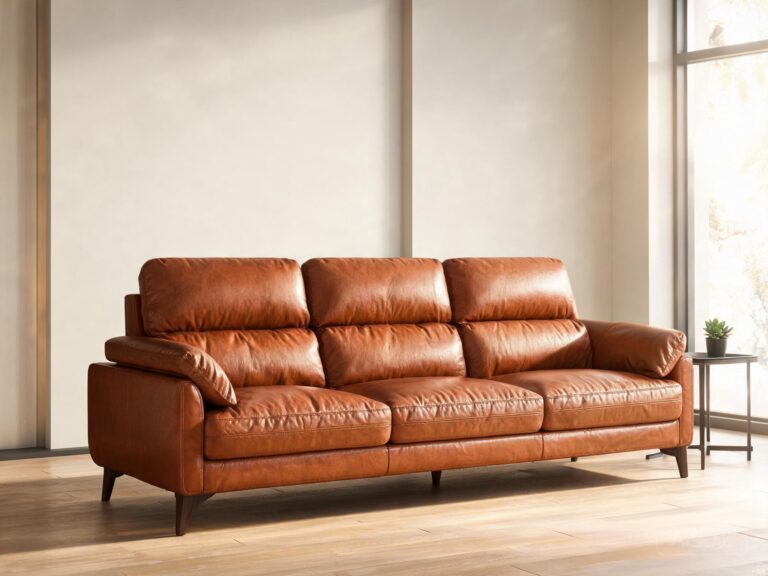
A Los Angeles furniture manufacturer shipped 3,000 leather sofas to retailers across California without TB 117-2013 compliance labels. The Bureau of Electronic and Appliance Repair, Home Furnishings and Thermal Insulation (BEARHFTI) issued a compliance notice within 60 days of the first delivery. Retailers were required to pull non-compliant inventory from showroom floors. The manufacturer faced $1.2 million in logistics costs, relabeling, retesting, and lost retail floor time. The sofas met the smolder resistance standard — they simply lacked the mandatory label. This is the most common and most expensive compliance failure in California TB 117 leather: the material passes, but the paperwork doesn’t.
TOPSUN manufactures silicone leather that is inherently flame-retardant — self-extinguishing, low smoke, non-toxic — and certified to EN 13773 Class 4, FAR 25.853, and FMVSS 302 standards. Our material passes TB 117-2013 smolder resistance testing without chemical flame retardant additives, and every production batch ships with full compliance documentation including test certificates from SGS and Intertek.
Request Free Compliance Samples
What TB 117-2013 Actually Requires
Technical Bulletin 117-2013 is a smolder resistance standard — not an open-flame test. It was revised from the 2000 version to eliminate the need for chemical flame retardants. The official TB 117-2013 document specifies that all upholstered furniture sold in California must pass a cigarette smolder test on cover fabrics, and the filling materials must meet component-level smolder resistance requirements.
The key change from TB 117-2000: the revised standard focuses on material’s inherent smolder resistance rather than relying on added chemical flame retardants. This means that materials with intrinsic flame-retardant properties — like silicone leather — pass the standard without any chemical treatment. The flame retardant test report on our site documents the full test protocol and results.
California Senate Bill 1019, effective January 1, 2015, requires that all upholstered furniture carry a label stating whether the product contains added flame retardant chemicals. Furniture manufactured after that date must have a TB 117-2013 label. The fire safety certification guide breaks down the labeling requirements that the LA manufacturer missed.

Lamination line — every production batch is documented with material composition, test certificates, and compliance labels ready for TB 117-2013 filing
The TB 117-2013 Compliance Checklist
Based on the BEARHFTI requirements and the experience of manufacturers who have faced compliance enforcement, here is the checklist that prevents the $1.2 million mistake:
1. Cover fabric smolder resistance test. The leather or fabric used as the outer cover must pass the smolder resistance test specified in TB 117-2013 Section 1. The test uses a lit cigarette placed on the fabric under standardized conditions. The fabric must not smolder beyond a defined char length. Request the actual test certificate from your leather supplier — not a data sheet, the certificate from an accredited lab.
2. Label statement of compliance. Every piece of upholstered furniture must carry a visible label stating: “This product meets the requirements of California Technical Bulletin 117-2013.” The label must also state whether the product contains added flame retardant chemicals (yes/no checkbox). The public spaces flame retardant guide includes label templates and placement requirements.

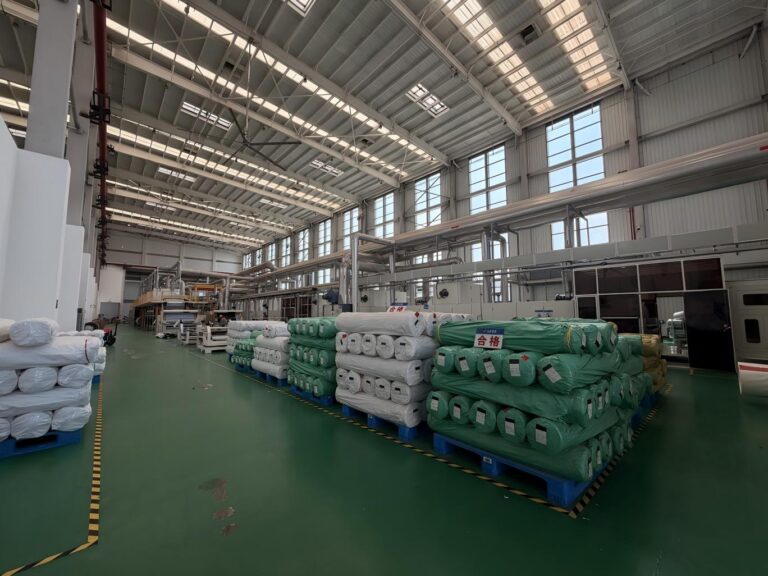
Base fabric rolls in workshop — material traceability from raw fabric through coating to finished roll ensures every batch can be traced to its TB 117-2013 test certificate
3. Component-level testing for filling materials. Foam, batting, and other filling materials must each pass their own smolder resistance tests. While leather is the cover fabric, the filling materials underneath determine the overall compliance. Specify filling materials that have current TB 117-2013 component test certificates.
4. Batch-level traceability. BEARHFTI may request documentation for a specific production batch. Your supplier must maintain records that link each roll of leather fabric to a specific test certificate, production date, and material composition. Without batch traceability, a compliance audit becomes a product recall.
5. “No added flame retardants” declaration. If your leather material passes TB 117-2013 without added chemical flame retardants — as silicone leather does — the label must explicitly state “contains NO added flame retardant chemicals.” This declaration is increasingly important because California consumers and retailers actively seek flame-retardant-free furniture.
Material Comparison: Flame Retardant Performance
| Property | Genuine Leather | PU Leather | PVC Leather | Silicone Leather |
|---|---|---|---|---|
| TB 117-2013 smolder resistance | Passes (natural) | May require FR treatment | Requires FR treatment | Passes (inherent) |
| Added flame retardant chemicals | None needed | Often needed | Always needed | None needed |
| EN 13773 classification | Class 2-3 | Class 1-2 | Class 1 | Class 4 (highest) |
| Self-extinguishing | No | No | No | Yes |
| Smoke toxicity | Moderate | Toxic (contains chlorine) | Highly toxic (HCl, dioxins) | Non-toxic (halogen-free) |
| FAR 25.853 (aviation) | Not certified | Not certified | Not certified | Certified |
| FMVSS 302 (automotive) | Variable | May require FR | Requires FR | Certified |
| Halogen-free | Yes | No | No (chlorine) | Yes |
The leather furniture quality specs guide provides additional detail on how these standards apply to furniture manufacturing specifically. The key takeaway: silicone leather is the only commonly available leather material that passes TB 117-2013, EN 13773 Class 4, FAR 25.853, and FMVSS 302 simultaneously — without any added chemical flame retardants.

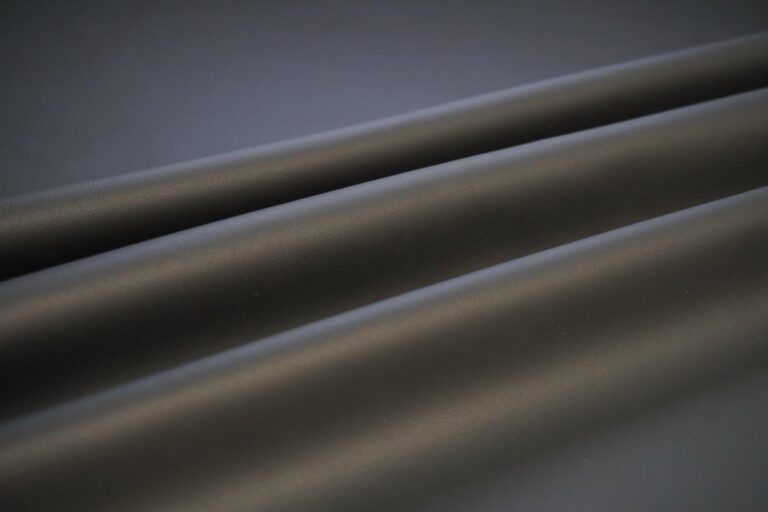
Coating production line — the solvent-free dry coating process produces inherently flame-retardant silicone leather without chemical flame retardant additives, meeting TB 117-2013 requirements naturally
How TOPSUN Simplifies TB 117-2013 Compliance
TOPSUN’s silicone leather is inherently flame-retardant at the molecular level. The Si-O-Si backbone is self-extinguishing — when the heat source is removed, the material stops burning. No halogenated flame retardants, no phosphorus-based treatments, no chemical additives of any kind. This means:
- TB 117-2013 smolder resistance — passes without flame retardant treatment; label states “contains NO added flame retardant chemicals”
- EN 13773 Class 4 — highest European flame retardant classification, certified by SGS
- FAR 25.853 — FAA-approved aviation interior flammability, certified by FAA-approved lab
- FMVSS 302 — automotive interior flammability standard, compliant
- Halogen-free — no chlorine, no bromine, no toxic smoke generation
- Low smoke emission — minimal smoke production in fire conditions, non-toxic smoke composition
Every production batch ships with a compliance documentation package that includes: material composition report, TB 117-2013 smolder resistance test certificate, EN 13773 test certificate, flame retardant declaration (none added), and batch-level traceability linking the roll to its test results. This documentation package is what the LA manufacturer was missing — not the material performance, but the paperwork.
Frequently Asked Questions
Does all leather furniture need to meet TB 117-2013?
TB 117-2013 applies to all upholstered furniture sold in California — including sofas, chairs, ottomans, and any furniture with fabric or leather covers over filling materials. While there is no federal flammability standard for furniture, California’s regulation has become the de facto national benchmark because most manufacturers produce to a single standard for the entire US market. If your furniture ships to or through California, it needs TB 117-2013 compliance and labeling.
Does silicone leather pass TB 117-2013 without flame retardants?
Yes. Silicone leather passes TB 117-2013 smolder resistance testing without any added flame retardant chemicals. The silicone polymer is inherently self-extinguishing — its Si-O-Si molecular backbone is thermally stable and does not sustain combustion. This means the furniture label can state “contains NO added flame retardant chemicals,” which is increasingly required by California Senate Bill 1019 and increasingly preferred by consumers and retailers who want to avoid chemical exposure in their homes.
TB 117-2013 compliance isn’t optional — and it shouldn’t be complicated. When your leather supplier provides inherent flame retardancy, full test certificates, and compliance documentation with every batch, the $1.2 million mistake becomes impossible. TOPSUN provides free A4 swatch samples, TB 117-2013 test certificates, and compliance documentation packages via DHL worldwide. Request your California compliance kit today.