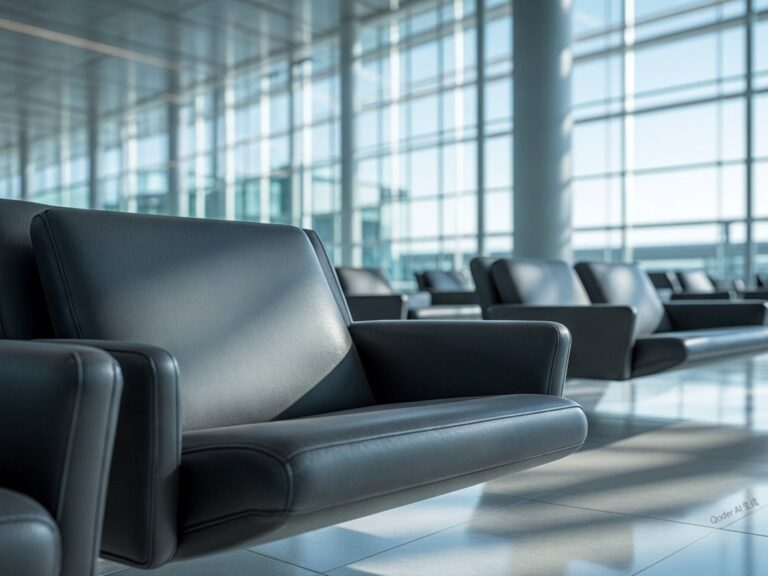
Public spaces demand more than good design. They require materials that protect lives when seconds matter. Flame retardant leather has become a critical specification for airports, hotels, cinemas, hospitals, and transit systems worldwide. Yet not all fire-resistant materials perform equally. Buyers who understand the difference between compliant upholstery and truly safe upholstery avoid costly recalls, liability issues, and failed inspections.
This guide explains the fire safety standards that matter, what separates premium FR fabric from basic alternatives, and why procurement teams are switching to silicone-based solutions for high-traffic projects.
Why Flame Retardant Leather Matters in Public Spaces
Fires in public buildings spread fast. Upholstery is often the first surface to ignite. Standard synthetic fabrics can produce toxic smoke and dripping molten material. Both kill more people than flames themselves.
Regulators across North America, Europe, and Asia have responded with stricter codes. California’s TB 117-2013, the UK’s BS 5852, and the EU’s EN 1021 series now govern how seating and wall coverings must behave when exposed to cigarettes, match flames, or larger ignition sources. Meeting these standards is not optional. It is a legal requirement for commercial installation.
Here is the challenge many procurement teams face. Traditional PU and PVC faux leathers rely on chemical additives to achieve flame retardant ratings. Those additives can degrade over time. They may also emit harmful VOCs or fail updated retesting requirements. For buyers sourcing materials that must last ten years or more, additive-dependent fire retardant leather carries hidden risk.
Global Fire Safety Standards Every Buyer Should Know
Before you place a bulk order, confirm which standard your project must satisfy. Different regions use different tests. A material that passes CAL 117 may not automatically meet BS 5852 or EN 13773. Here is a quick reference.
| Standard | Region | Focus |
|---|---|---|
| CAL 117 / TB 117-2013 | USA (California) | Smolder resistance for furniture |
| NFPA 701 | USA | Flame propagation for draperies & wallcoverings |
| BS 5852 | UK | Ignition resistance of upholstered furniture |
| EN 13773 / EN 1021 | European Union | Cigarette & match ignition for seating |
| ASTM E662 | International | Smoke density measurement |
| NES 713 | Marine / UK Defence | Toxicity index of combustion products |
The table above is not exhaustive, but it covers the tests our clients encounter most often. If you are furnishing a cruise ship, you may also need SOLAS compliance. For rail projects, EN 45545-2 becomes relevant. Always ask your FR fabric manufacturer for test reports matched to your end market.
Silicone Leather: A Next-Generation FR Fabric
Conventional faux leathers achieve flame resistance through surface coatings or halogenated additives. Silicone leather is different. Its fire-resistant properties are built into the molecular structure of the silicone layer itself. This matters for two reasons.
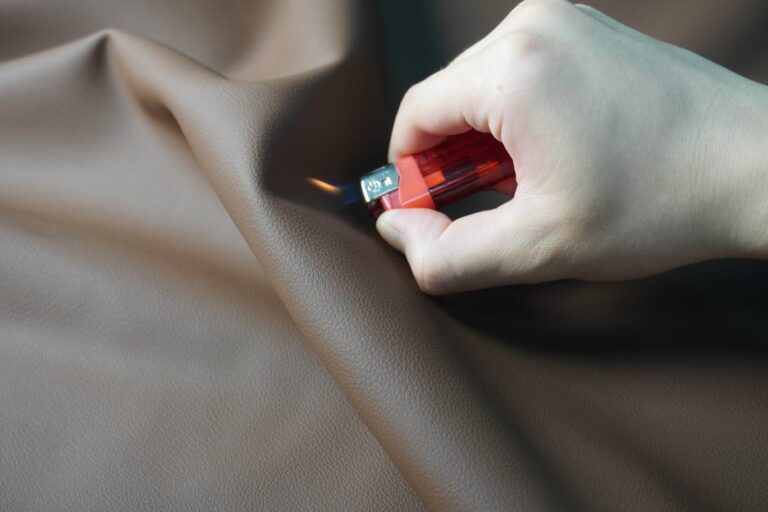
First, the protection does not wash out or wear off. Second, silicone burns to form a stable ceramic char. That char insulates the substrate underneath and blocks oxygen. The result is self-extinguishing behavior with no dripping and minimal smoke. In our own lab testing, TOPSUN’s Super Flame Retardant Collection achieves EN 13773 Class 4, smoke density ≤75 Ds per ASTM E662, and a toxicity index ≤5 per NES 713. We have seen third-party auditors verify these numbers repeatedly across different production batches.
Beyond the test scores, silicone leather offers practical advantages for public spaces:
- Silicone heat resistant performance across -40°C to 250°C without hardening or softening
- Martindale abrasion ≥200,000 cycles for heavy daily traffic
- Stain-resistant surface that wipes clean with water
- No phthalates, no heavy metals, REACH and FDA compliant
Watch how silicone leather self-extinguishes without toxic smoke or dripping.

Where Fire Resistant Leather Delivers Most Value
Not every project needs the highest flame rating. But some environments absolutely do. We consistently see the strongest demand for certified fire resistant leather in five sectors.
Hospitality and entertainment. Hotels, cinemas, theaters, and conference centers pack hundreds of people into enclosed spaces. Local fire marshals inspect upholstery before occupancy permits are granted. Materials that fail can delay opening by weeks.
Healthcare. Hospitals and elder care facilities house mobility-impaired occupants who cannot evacuate quickly. Low-toxicity flame retardant fabric is not a luxury here. It is a moral obligation.
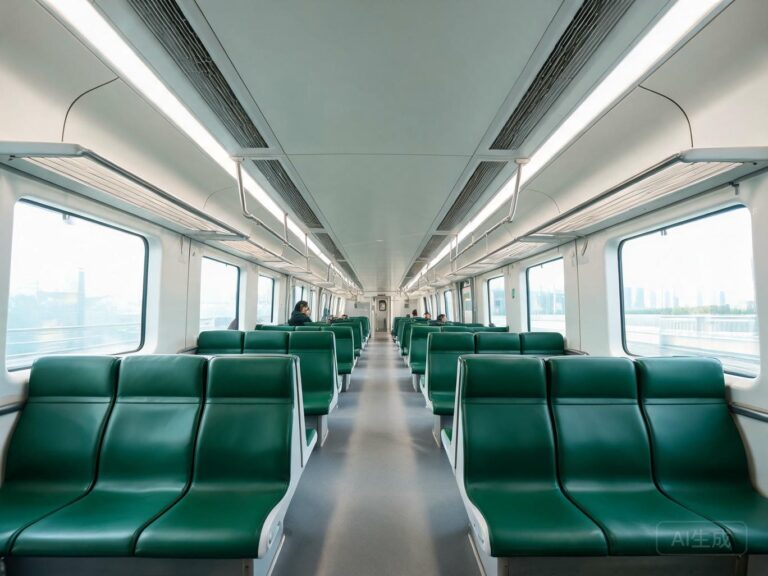
Public transit. Trains, buses, and aircraft must meet EN 45545 or FAA requirements. Silicone leather’s low smoke and low toxicity make it ideal for seating, wall panels, and headrest covers.
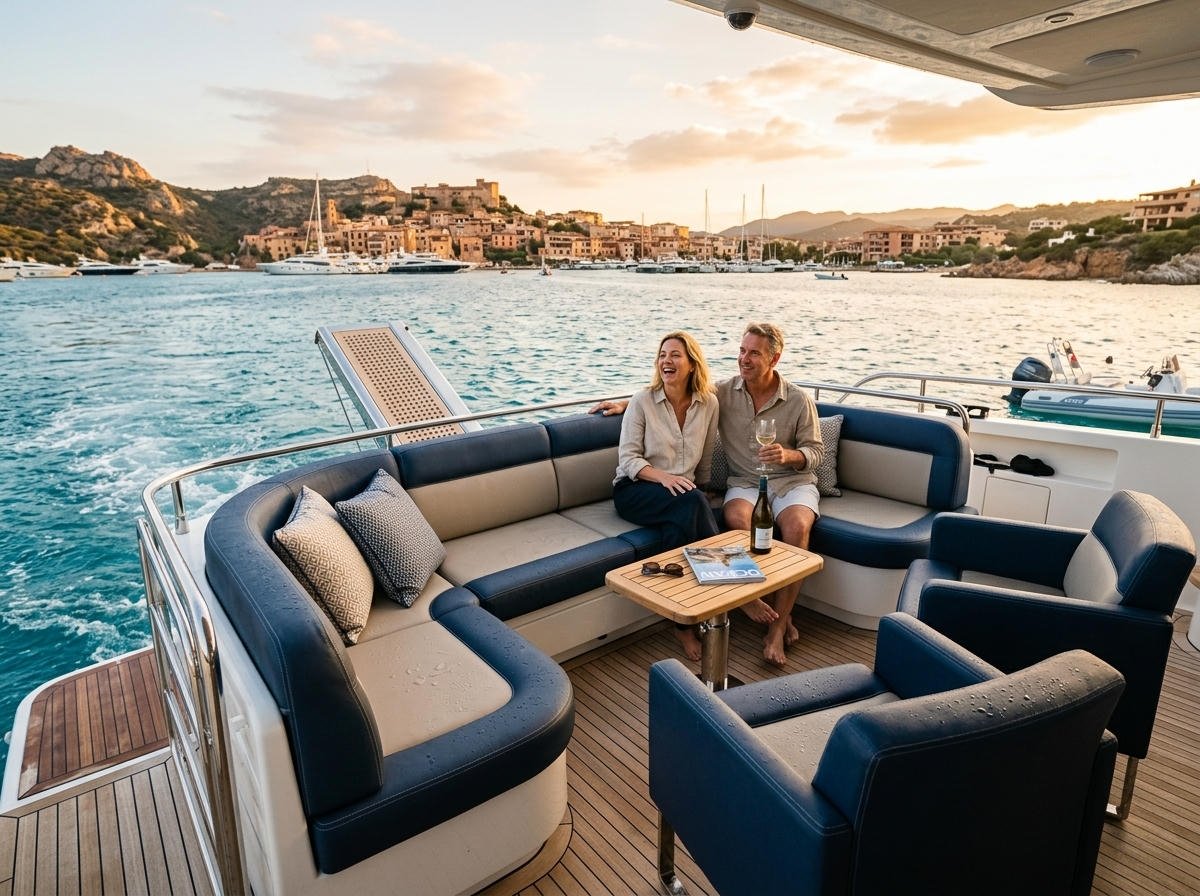
Marine. SOLAS regulations mandate strict fire performance for vessel interiors. Space is tight, exits are limited, and help is far away. Self-extinguishing materials buy precious evacuation time.
Corporate and education. Auditoriums, libraries, and office lounges increasingly specify certified upholstery. Risk managers know that one fire can erase decades of brand trust.
Frequently Asked Questions
Is flame retardant leather the same as fireproof leather?
No. “Fireproof” implies a material cannot burn at all. That does not exist for organic upholstery. Flame retardant leather is designed to resist ignition, burn slowly, and self-extinguish when the heat source is removed. It limits fire spread rather than preventing it entirely.
Does silicone leather need chemical additives to pass fire tests?
Our silicone leather achieves its rating through the inherent properties of the silicone polymer. We do not rely on halogenated flame retardants that can degrade or off-gas over time. That structural difference is why buyers choose silicone for long-life installations.
How do I verify a supplier’s test certificates are genuine?
Request the original test report number and the accredited lab that issued it. Reputable labs include SGS, Intertek, and TÜV. Cross-check the report against the supplier’s batch or SKU. A trustworthy FR fabric manufacturer will share this documentation without hesitation.
Can flame retardant leather still look and feel premium?
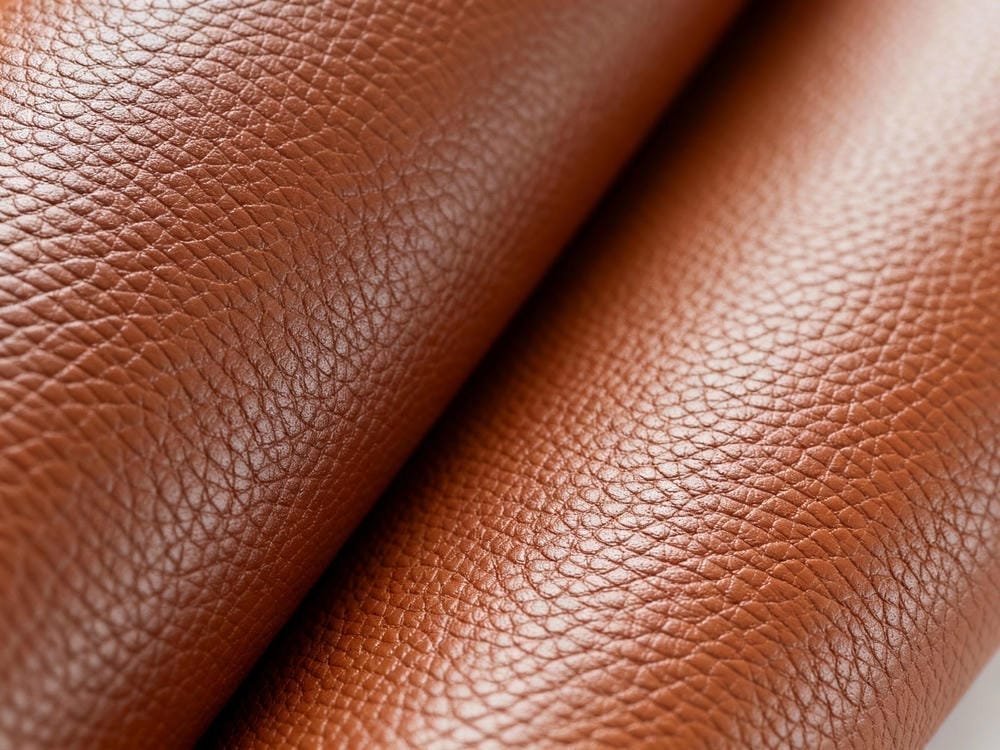
Absolutely. Modern silicone leather matches genuine leather in hand-feel and grain detail. It embosses cleanly, takes color consistently, and maintains its look for over a decade. You do not sacrifice aesthetics for safety.
Let’s Build Safer Spaces with Flame Retardant Leather
Specifying flame retardant leather is not about checking a compliance box. It is about protecting people, property, and reputation. The right material passes inspection, outlasts the warranty period, and performs when it matters most.
At TOPSUN, we supply OEM buyers, architects, and contract furnishers with certified silicone leather backed by third-party test data. Whether your project requires EN 13773 Class 4, low smoke ratings, or custom color matching, our engineering team can guide you to the right specification.
About TOPSUN
TOPSUN is a leading manufacturer of organic silicone leather for B2B custom orders. We serve automotive, furniture, medical, marine, and public space markets with REACH-compliant, FDA-certified materials engineered for durability and safety.
Key certifications: EN 13773 Class 4, REACH, PAHs, FDA, ASTM E662, NES 713. MOQ from 500 meters. Lead time 7–15 days.