The finish is where leather lives or dies. In our lab, we’ve tested enough failed upholstery to know that the substrate underneath is rarely the problem — it’s the leather finish that cracks first, fades first, peels first. And most B2B buyers specify it as an afterthought, a line item buried between color and thickness. That oversight drives warranty claims, replacement cycles, and customer dissatisfaction more than any other single specification decision.
Why Leather Finish Choice Determines Product Lifespan
A leather finish is the surface treatment applied to the hide or synthetic substrate after tanning or coating. It determines how the material looks, feels, cleans, and ages. Get it right, and your product survives daily abuse for a decade. Get it wrong, and you’re processing warranty claims within 18 months.
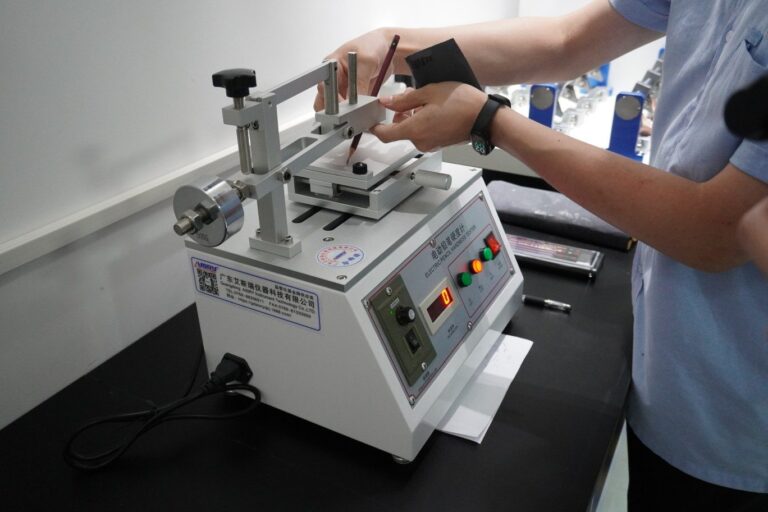
The best leather finish for durability isn’t always the one that looks best in a showroom. In our abrasion testing, we’ve seen aniline-finished leather develop visible surface wear after 15,000 Martindale cycles, while pigmented finishes push past 50,000. The difference isn’t marginal — it’s the gap between a couch that lasts 3 years and one that lasts 10.
| Finish Type | Appearance | Durability | Cleanability | Best Application |
|---|---|---|---|---|
| Aniline | Natural, transparent | Low — no protective coating | Poor — stains absorb easily | Luxury, low-traffic display |
| Semi-aniline | Natural with light coating | Moderate — thin protective layer | Fair — some stain resistance | Residential furniture |
| Pigmented | Uniform, opaque | High — thick polymer coating | Good — wipe clean | Commercial, automotive |
| Embossed | Patterned texture | Varies with base material | Depends on coating | Fashion, accessories |
| Silicone | Customizable, natural feel | Excellent — inherent, not applied | Superior — bleach-safe | All B2B applications |

Sample strips showing different finish types — from natural aniline to metallic and embossed options
Traditional leather finishes are applied coatings — they wear off. Silicone leather’s finish is structural — the entire material is the finish. That’s why it can’t peel, crack, or delaminate.
Aniline vs Semi-Aniline vs Pigmented: The Tradeoff Triangle
Every traditional leather finish exists on a triangle between appearance, durability, and cleanability. You can optimize two, but never all three. Aniline gives you the most natural look — transparent dye, visible grain, soft hand — but offers zero protection against stains or abrasion. Pigmented finishes flip the equation: opaque polymer coating resists wear and wipes clean, but masks the natural grain under a uniform surface.
Semi-aniline tries to split the difference with a light protective coating over transparent dye. In practice, it’s a compromise that satisfies neither end of the spectrum — the coating isn’t thick enough for commercial durability, and it’s thick enough to dull the natural appearance that justified choosing aniline in the first place. For B2B buyers who need to understand how silicone leather approaches this differently, the key insight is that silicone eliminates the triangle entirely.

Release film roller on the production line — where surface finish texture is transferred to the leather
How Silicone Leather Finish Eliminates Traditional Weaknesses
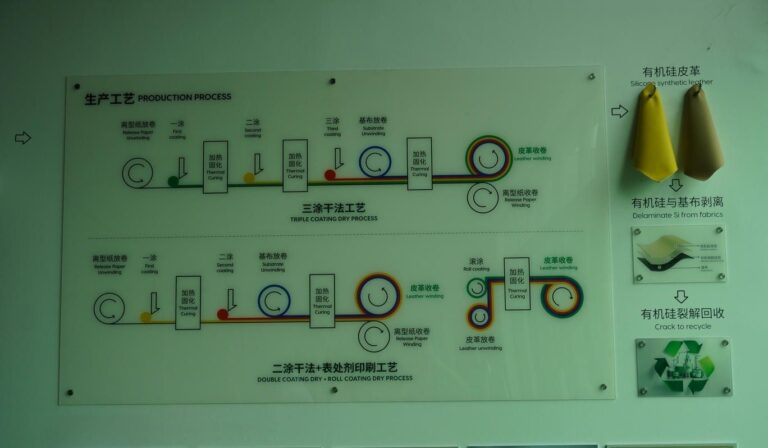
Here’s what changes when the finish isn’t applied but inherent. Traditional leather finishing process and coating types involve multiple layers — base coat, pigment coat, top coat, and sometimes a protective clear coat — each of which can fail independently. Silicone leather’s surface properties come from the polymer chemistry itself, not from layers stacked on top.
In our testing, we’ve subjected silicone leather to 200,000+ Martindale abrasion cycles with no surface degradation. We’ve poured bleach, alcohol disinfectant, and coffee on it — all wipe off without staining. We’ve exposed it to 1,000+ hours of UV with no color shift. These aren’t coating performance numbers; they’re material performance numbers. The finish can’t wear off because it isn’t a coating.
Overview of silicone leather surface finish options — textures, patterns, and performance characteristics
For a deeper comparison of how silicone stacks up against PU alternatives specifically, see our silicone vs PU analysis.
If you’re weighing full silicone versus semi-silicone options, our full vs semi-silicone guide breaks down the performance differences.
Specifying Leather Finish for B2B Applications: A Type-by-Type Guide
Different applications demand different finish strategies. Here’s how we advise procurement teams to match leather finish to end-use requirements, whether specifying for cleanability, durability, or aesthetic impact:
- Automotive interiors: Require pigmented or silicone finishes with Martindale ≥100,000 cycles, UV ≥500 hours, and low fogging (DIN 75201). Aniline fails within 2 years under dashboard UV exposure.
- Commercial furniture: Pigmented or silicone. Specify bleach-cleanable surfaces for hospitality and healthcare. Aniline is unacceptable for high-traffic environments.
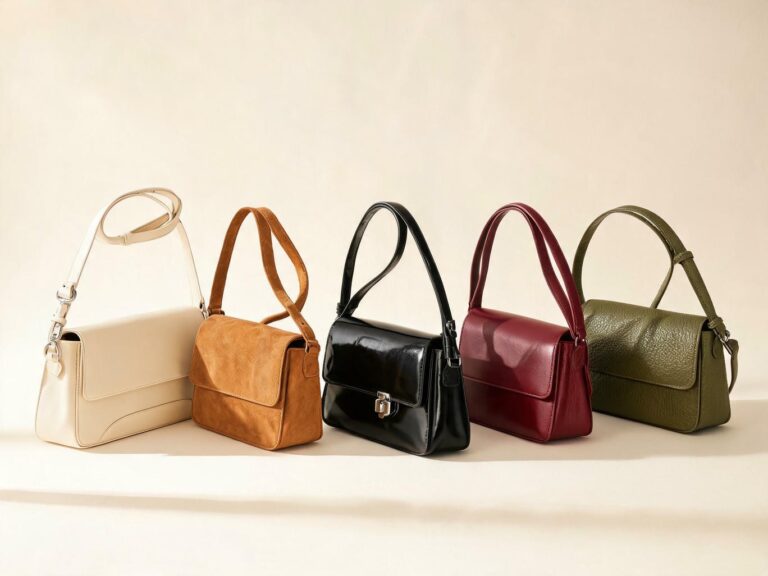
- Fashion accessories: Embossed and metallic finishes work for visual impact, but specify a protective topcoat or choose silicone for waterproof, stain-resistant performance.
- 3C electronics: Ultra-thin silicone finishes (0.23–0.8mm) provide scratch resistance and premium tactility that pigmented coatings can’t match at this gauge.

Classic finish swatches — from embossed textures to smooth pigmented surfaces for B2B specification

Custom texture samples — embossing rollers can reproduce virtually any grain pattern in 7–10 days
For manufacturers exploring laser-etched surface options, our laser engraved leather guide covers precision finishing techniques.
For teams that need to understand how finish grade maps to fabric classification, the leather type and fabric grades reference provides the framework. Suppliers should provide test reports from ISO-accredited labs for every finish type they quote.
Frequently Asked Questions
What is the most durable leather finish for commercial furniture?
For commercial furniture, pigmented leather finishes and silicone leather finishes offer the best durability. Pigmented finishes achieve 50,000+ Martindale cycles with good stain resistance. Silicone leather surpasses both, reaching 200,000+ Martindale cycles with inherent stain resistance and bleach cleanability. Aniline and semi-aniline finishes are not recommended for commercial furniture due to their poor abrasion resistance and stain susceptibility. Specify minimum Martindale cycles and cleanability requirements in your purchase order regardless of finish type.
Can silicone leather replicate the look of aniline leather finishes?
Yes. Silicone leather can be embossed with 100+ texture patterns including cowhide, pigskin, and sheepskin grain, achieving the natural appearance of aniline without its vulnerability. The material accepts Pantone-matched colors at Delta E ≤ 1.0, and metallic and pearlescent finishes are available for design-forward applications. Unlike aniline, the silicone surface won’t stain, fade, or crack — it delivers aniline aesthetics with pigmented durability and beyond.
The Finish Is the Product
Your customers touch the finish, not the substrate. They see the finish, not the tanning process. When the finish fails, the product fails — regardless of what’s underneath. Traditional leather finishes force you to choose between appearance, durability, and cleanability. Silicone leather’s inherent surface properties remove that compromise. Specify the finish like it matters — because for your warranty claims, your replacement costs, and your brand reputation, it’s the only thing that does.
Compare Leather Finish Options
About TOPSUN
TOPSUN produces silicone leather finishes that combine the tactile luxury of aniline with the durability and cleanability of pigmented coatings — without the tradeoffs.
Our 100+ embossed textures, Pantone-matched colors at Delta E ≤ 1.0, and inherent antimicrobial surface let manufacturers specify one material across entire product lines.