A customer opens your faux leather handbag three months after purchase. The strap crease has gone white. A thin film is lifting where the handle meets the body. No seam failed. No hardware broke. The material did. If you are in the business of making bags, that failure is the biggest hidden risk in faux leather for bag making.
It almost never appears on a quotation. It appears in returns. Below: where synthetic bag materials fail, which five lab tests predict it, and the specs to verify first.
Where Faux Leather Bags Actually Fail
Ask an after-sales team why faux leather peels, and the answer is rarely the flat body panel. Failure concentrates at stress points. The strap fold bends thousands of times. The painted edge cracks and peels back. Corner seams pull coating away from the backing.
We have torn down returned bags in our own lab. In most cases the coating itself was intact; it had simply separated from a low-density backing after repeated flexing. That distinction matters. Peel resistance is a bonding and substrate problem, not a surface problem. The stakes are real too. The women’s handbag market is valued at $55.8 billion in 2026. Standard PU lasts just 1-3 years against genuine leather’s 10-15.

Specifying stress points at the design stage prevents most peeling complaints later.
Faux Leather for Bag Making: 5 Tests That Predict Peeling
Any supplier can send a pretty swatch. These five tests tell you whether the material survives a year of daily carry:
- Bally flex test: 20,000+ flex cycles at the strap fold with no visible cracking.
- Peel strength (ISO 11644 / ASTM D751): measures the bond between coating and backing. Low adhesion is the direct cause of delamination.
- Hole-tear and seam strength: bag construction punches and stitches the material; weak tear values fail at hardware points.
- Color fastness to rubbing: handles rub against clothing all day. Grade 4+ keeps dye off light garments.
- Hydrolysis aging: 85°C / 85% RH conditioning. Standard PU starts degrading within 3-5 years; in our chamber testing, full-silicone material shows no delamination after 14 weeks.
Insist on numbers for all five. Then ask which third party ran them.

Flex testing at the strap fold predicts the white-crease failure mode before production.
Talk to Our Bag Material Engineers
Specs That Survive Cutting, Folding and Edge Paint
Thickness for handbag bodies generally sits between 0.8 and 1.2 mm. Lining panels can run thinner. Below roughly 0.6 mm, the coating gets thin. Flex cracks then show early at fold points.
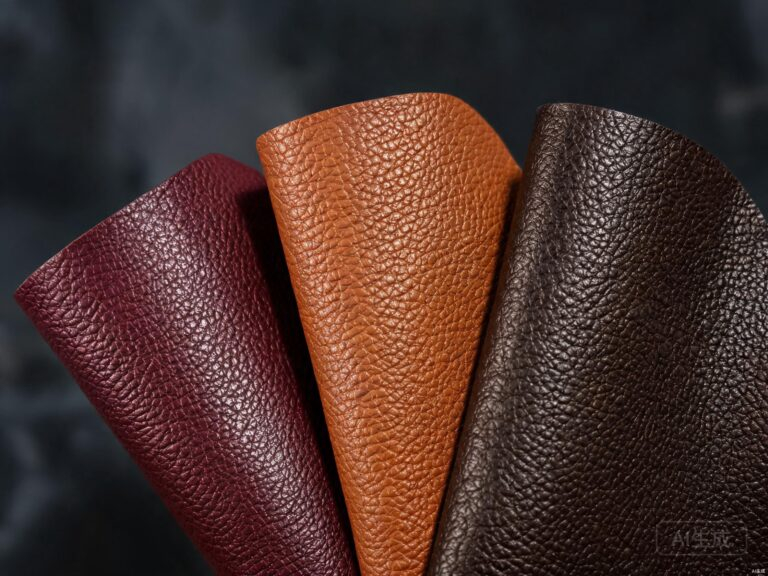
Backing matters as much as surface. A dense knit or microfiber base holds the coating under repeated flex; loose weaves separate. Printed and embossed finishes must also survive edge-paint solvents. Request a finished-panel trial before bulk production. Our microfiber silicone leather for bag panels was developed for exactly this combination of demands. The same material family now serves silicone leather in fashion accessories across 30+ export markets.
Custom-printed finishes for bag panels must survive flexing and edge paint. Here is how the printing line keeps patterns consistent.
What One Handbag Brand Changed
A mid-size handbag brand we work with used to spec its tote straps from standard PU. Return audits kept flagging white creases at the fold. The brand re-specified to a higher-flex material and wrote the peel-strength requirement into its purchase orders. Strap-related returns dropped sharply across the next two seasons. Nothing else in the design changed.
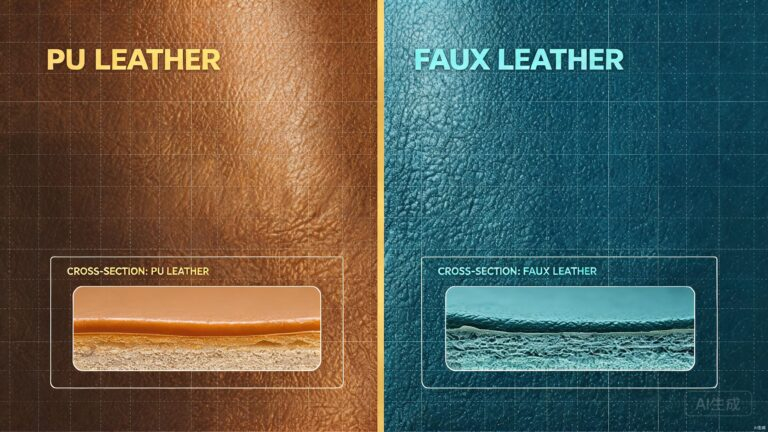
If you are weighing materials for a new line, see how silicone compares to PU side by side.

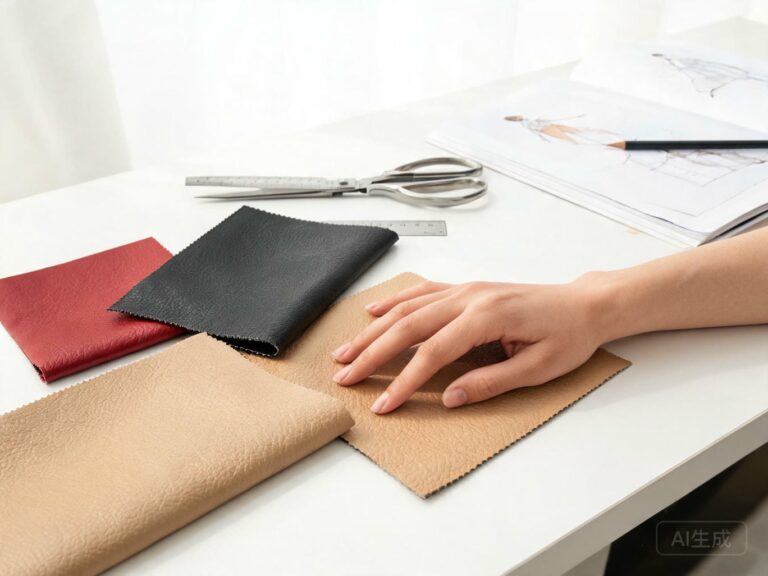
Finished panels and small leather goods show how spec choices carry through to the final product.
Demand the Data Before You Cut
Strap creases and lifted edges are predictable. The five tests above flush them out for the cost of a sample run.
References
1. https://seller.alibaba.com/blogs/2026/southeast… — Women’s handbag market valued at $55.8B in 2026, projected $87.1B by 2033 (CAGR 6.5%); PU service life 1-3 years vs genuine leather 10-15 years
2. https://chinahandbagfactory.com/pu-leather/ — Adhesion/peel strength test methods ISO 11644 and ASTM D751 for coating-to-backing bond integrity