When B2B buyers ask about brands of leather, they’re usually expecting a list of company names. That’s the wrong question. The meaningful distinction isn’t between Eagle Ottawa and Bader GmbH — it’s between the four material categories those brands represent: genuine animal hide, polyurethane synthetic, PVC synthetic, and silicone synthetic. Each category has different failure modes, certification paths, and total cost trajectories. In our materials lab, we’ve tested samples from all four categories across automotive, furniture, and medical applications. The results consistently show that material chemistry — not brand reputation — determines whether a specification is met or missed.
Request Brand Comparison Samples
The 4 Categories of Leather Brands B2B Buyers Encounter
The brands of leather landscape divides into four categories, each with distinct supply chains and performance profiles. Understanding which category a supplier belongs to tells you more about their material’s behavior than any brand catalog ever will:
| Category | Key Strength | B2B Limitation | Typical Application |
|---|---|---|---|
| Genuine leather | Premium feel, breathability, patina | Batch variation, animal-source cost, high maintenance | Luxury furniture, automotive seating |
| PU synthetic | Low cost, soft hand, design flexibility | Hydrolysis, UV cracking, VOC off-gassing | Budget furniture, fashion accessories |
| PVC synthetic | Abrasion resistance, waterproof | Phthalate content, toxic smoke, plasticizer migration | Marine, outdoor, commercial seating |
| Silicone synthetic | Hydrolysis-proof, UV-stable, zero-VOC, inherently FR | Higher unit cost than PU/PVC | Medical, automotive, marine, premium furniture |
In the automotive interior leather market, Eagle Ottawa holds approximately 18% market share, Benecke-Kaliko 15%, and Bader GmbH 10%. These are genuine leather and synthetic leather brands serving OEM specifications. But when a procurement team evaluates brands of leather for a new furniture line, the category question — not the brand question — drives specification success.

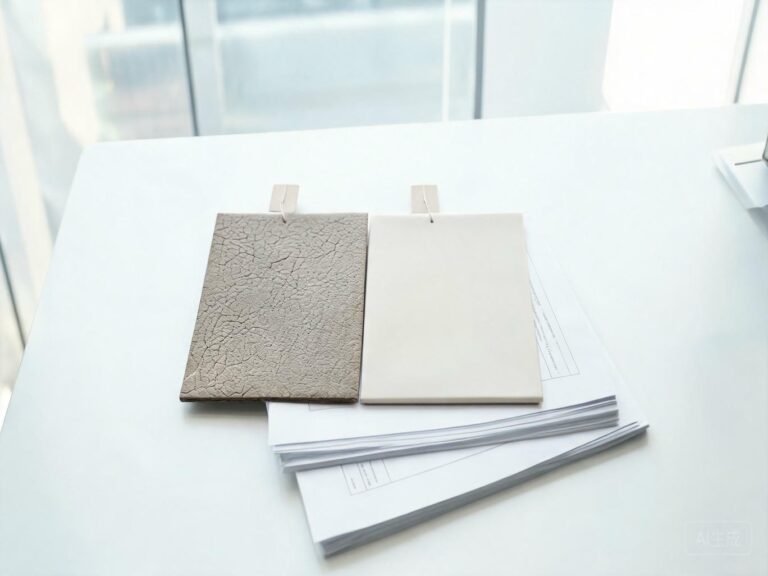
Classic leather swatches showing the color and texture range across different brands and material categories.
Genuine Leather Brands: Heritage vs. Performance
Genuine leather brands trade on heritage — Italian tanneries, American furniture brands like Classic Leather and Leathercraft, and automotive suppliers like Eagle Ottawa and Bader. The material carries undeniable tactile quality: breathability, a living surface that develops patina, and a fiber structure that synthetic alternatives still can’t fully replicate. But heritage brings a B2B problem: batch variation.
In our testing, genuine leather samples from the same tannery showed thickness variations of ±0.3mm between batches, Shore A hardness ranges of 35-42, and color consistency grades that fluctuated between Grade 3 and Grade 5 depending on the hide’s origin section. For precision manufacturing — automotive interior panels with tight gap tolerances, medical device covers requiring consistent durometer — this variation creates yield loss. One of our automotive clients switched from genuine leather to silicone leather specifically because the batch consistency of genuine leather was causing 8-12% rejection rates on their assembly line. For more on this transition, see our silicone leather introduction and the leather types guide we’ve published.
Synthetic Leather Brands: PU, PVC, and Silicone
The synthetic leather brand landscape is where most B2B sourcing decisions actually happen. PU brands like Huafon Microfibre dominate volume production out of China, offering water-based and solvent-free PU at competitive prices. PVC brands serve marine and outdoor applications where waterproof performance matters. Silicone leather — the category TOPSUN belongs to — occupies the premium synthetic position, combining the durability specs that PU can’t achieve with the safety profile that PVC can’t match.
Our Martindale testing shows silicone leather at 200,000+ cycles — 2.5x the best PU brand and 2x typical PVC. No synthetic brand outside the silicone category achieves this alongside zero-VOC certification.
The differentiation among synthetic brands of leather comes down to coating chemistry. PU coatings hydrolyze. PVC coatings lose plasticizers. Silicone coatings — built on an inorganic Si-O backbone — are chemically inert to both mechanisms. This isn’t a marketing claim; it’s bond energy physics. The Si-O bond requires more energy to break than what atmospheric moisture or UV radiation can deliver at ambient temperature. That’s why our silicone vs PU comparison shows a 5x lifespan advantage, and why brands in the medical healthcare application space increasingly specify silicone over both PU and genuine leather.

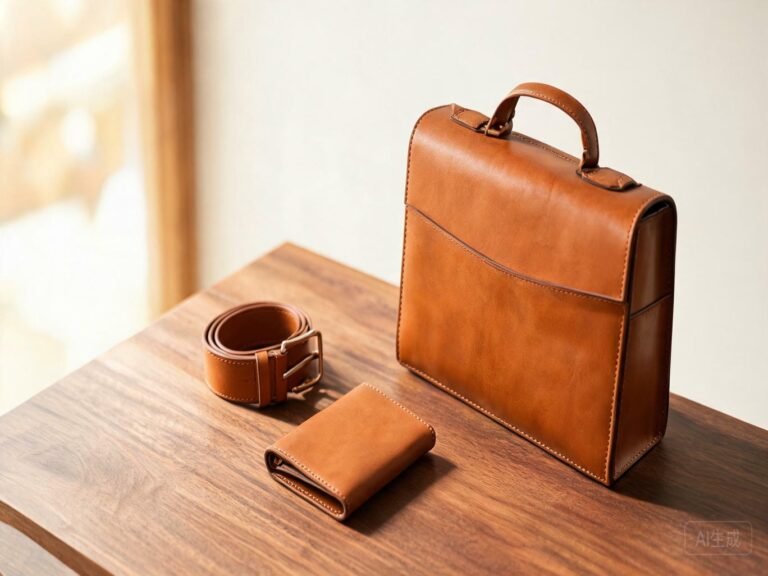
Multi-color leather display — the visual range that different brands of leather offer across material categories.

Genuine leather automotive interior — where batch variation creates assembly-line yield loss for premium brands.
How to Evaluate Any Leather Brand for B2B Specifications
Whether you’re evaluating a century-old Italian tannery or a new silicone leather startup, the same five questions cut through brand marketing to material reality. We use this framework in our supplier audits:
1. What is the Martindale abrasion result? Below 50,000 cycles won’t survive commercial furniture use. Above 100,000 is acceptable. Above 200,000 is premium.
2. What is the hydrolysis resistance data? If the supplier can’t produce a test report, assume the material will peel. PU brands frequently omit this test because the results are poor.
3. What is the VOC emission profile? Request ISO 16000-6 or VDA 277 test data. If the answer is “compliant” without a test report number, the claim is unverifiable.
4. What fire safety certifications are held? EN 13773 Class 4, FMVSS 302, FAR 25.853 — the specific standard matters because it determines which end-use applications the material can serve. See our certificates page for the full list we carry.
5. What is the batch-to-batch consistency data? Delta E color accuracy, thickness tolerance, and durometer range across at least three production batches. This is where genuine leather brands reveal their weakness and synthetic brands reveal theirs (PU batch variation from solvent evaporation rates, for example).
For a deeper framework on evaluating suppliers across regions, the 2026 global leather supplier guide breaks down regional strengths. The ISO technical committee on leather also publishes testing standards that form the basis of these evaluations.
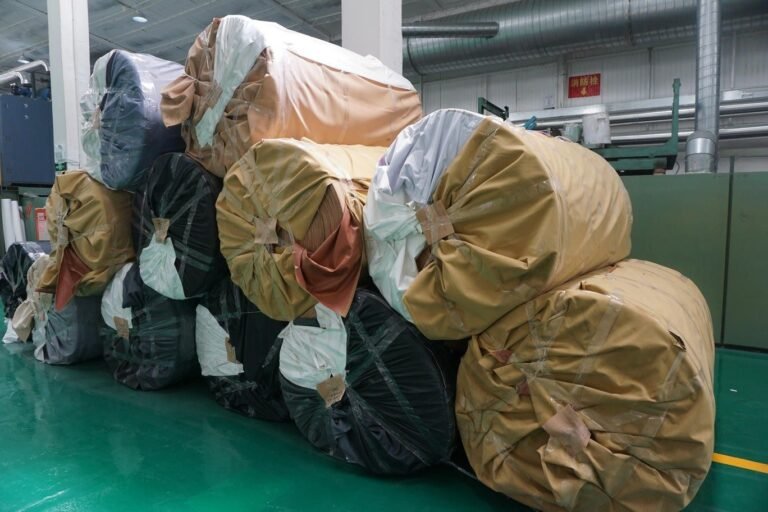
Company profile — see the TOPSUN facility, testing capabilities, and material categories that define a silicone leather brand.
Frequently Asked Questions
Are silicone leather brands more expensive than genuine leather brands?
On a per-meter basis, silicone leather typically costs 40-60% less than premium genuine leather (full-grain, automotive-grade). The price gap narrows further when you factor in yield loss from genuine leather’s natural defects and batch variation. Over a 5-year lifecycle, silicone leather’s zero-maintenance profile and 10+ year service life make it substantially cheaper than genuine leather, which requires conditioning products and shows wear patterns that silicone doesn’t develop.
Which brands of leather meet automotive OEM specifications?
Automotive OEM specifications require FMVSS 302 flame retardancy, low VOC per VDA 277, and fogging values per DIN 75201. Genuine leather brands like Eagle Ottawa and Bader meet these through chemical treatment. Silicone leather brands like TOPSUN meet them inherently — the material is self-extinguishing and produces zero VOC without additives. For EV interiors where cabin air quality standards are tightening, silicone leather’s inherent compliance is becoming the preferred path. See our automotive interiors application page for OEM specification details.
Beyond Brand Names: Category Determines Outcome
The most expensive mistake B2B buyers make with brands of leather is confusing brand reputation with material performance. A century-old tannery name doesn’t prevent hydrolysis. A billion-dollar PU manufacturer’s logo doesn’t stop plasticizer migration. What determines whether your product passes its warranty period is the material category’s chemistry — and the test data that proves it. Specify by category first, brand second. Demand test reports, not catalog claims. And when a material passes all five evaluation questions without chemical additives, you’ve found the category that will still be performing when the brand name on the spec sheet has been forgotten.
About TOPSUN
TOPSUN represents the silicone synthetic category among global brands of leather, supplying automotive, furniture, medical, marine, and consumer electronics manufacturers who require material performance that PU and PVC brands cannot deliver.
200K+ Martindale cycles, ISO 10993-5 biocompatibility, EN 13773 Class 4, FAR 25.853, FMVSS 302, zero-VOC certified — 500,000m monthly capacity from 60,000m² facilities in Dongguan and Hubei.