When procurement teams specify synthetic fabric for upholstery projects, roughly 70% default to polyester-based materials. That makes sense on paper — polyester accounts for 70% of global synthetic fabric production, and the upfront cost looks attractive. But in our Martindale abrasion testing lab, most commercial-grade polyester synthetic fabric fails before reaching 50,000 cycles. The materials that actually survive commercial use tell a different story, and the spec sheets suppliers hand you rarely mention it. Here’s what the durability gap looks like in real numbers — and how to avoid sourcing the wrong synthetic fabric for a 10-year application.
What Synthetic Fabric Actually Means in B2B Sourcing
The term “synthetic fabric” covers everything from budget polyester upholstery to high-performance silicone-coated textiles. In B2B sourcing, that breadth creates a dangerous blind spot. A supplier can quote “synthetic fabric” at $3/m² and another at $15/m², and both descriptions are technically accurate. The difference lives in the coating chemistry, base fabric density, and — most critically — how the material performs under standardized abrasion and UV testing.
The global synthetic fabrics market was valued at $18.73 billion in 2026 and grows at a modest 2.7% CAGR through 2035, according to Business Research Insights. But the broader synthetic fiber market — which includes automotive interiors, geotextiles, and industrial filtration — is expanding at 5.4% CAGR, reaching $121.68 billion by 2035. The gap between those two growth rates tells you something: high-performance applications are pulling demand away from commodity synthetic fabric toward engineered materials.
For B2B buyers, the practical question isn’t “which synthetic fabric is cheapest?” but “which synthetic fabric survives my application’s wear profile for the full service life?” That shifts the conversation from unit price to cost-per-year-of-use — and it’s where most sourcing mistakes happen.
The Durability Gap: Why Martindale Tests Separate Winners from Losers
The synthetic fabric durability guide most suppliers provide lists double rub ratings. In our experience, 15,000 double rubs gets quoted as “commercial grade” — but that’s residential-grade by ISO 12947-2 standards. True commercial synthetic fabric needs to exceed 30,000 double rubs, and materials specified for automotive or marine applications should clear 100,000+ cycles to be viable.

Martindale abrasion tester — the machine that separates marketing claims from real durability data.
In our testing lab, we run every batch of silicone-coated synthetic fabric through ISO 12947-2 Martindale abrasion. The results: our silicone leather consistently exceeds 200,000 cycles without surface breakdown. Standard PU-coated polyester, by contrast, typically shows visible cracking between 20,000 and 50,000 cycles. PVC-coated fabric delaminates even faster under flex testing. That’s not a marketing claim — it’s what the machines record.
Key finding: The synthetic fabric double rub rating gap between commodity polyester and silicone-coated fabric is 4× to 10×. Over a 10-year commercial lifecycle, that translates to 3-5 replacement cycles for PU/PVC versus zero for silicone.
Polyester vs PU vs Silicone: A 5-Year TCO Breakdown
Upfront price is the wrong lens for synthetic fabric vs natural fabric decisions. Total cost of ownership — purchase price divided by years of actual service — tells the real story. Here’s what our client data and ISO-standard testing reveal across four material types commonly sourced for commercial upholstery:
| Material | Martindale Cycles | UV Resistance | Service Life | 5-Year Cost/m² |
|---|---|---|---|---|
| Polyester (coated) | 20K–50K | Poor, fades in 1–2 yrs | 3–5 years | $18–25 (2 replacements) |
| PU-coated fabric | 25K–60K | Moderate, cracks in 2–3 yrs | 3–5 years | $22–30 (1–2 replacements) |
| PVC leatherette | 15K–30K | Poor, toxic smoke risk | 2–3 years | $20–28 (2+ replacements) |
| Silicone-coated fabric | 200K+ | 1,000+ hrs, no fading | 10+ years | $15–20 (zero replacements) |
The table makes the point clearly: silicone-coated synthetic fabric for commercial seating costs less over 5 years than any commodity alternative, despite a higher upfront price. One of our automotive interior clients switched from PU-coated polyester to silicone fabric and eliminated two full replacement cycles over a 7-year contract — saving 38% on material costs alone. You can read more about the silicone vs PU comparison in our technical breakdown.

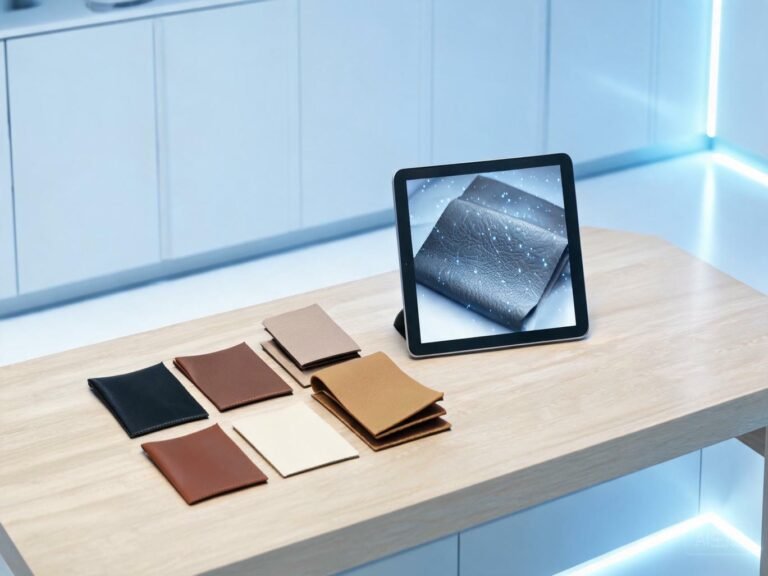
Color swatch wall — over 100 textures and Pantone-matched colors available for B2B custom orders.
3 Failure Modes That Sink Synthetic Fabric Projects
After testing hundreds of synthetic fabric samples in our lab, three failure patterns account for nearly every premature replacement we’ve seen in the field:
1. UV degradation. Polyester and PU coatings break down under sustained UV exposure. ASTM G154 testing shows standard PU cracking within 500 hours. Silicone-coated fabric shows zero degradation at 1,000+ hours. If your application involves any daylight exposure — marine upholstery, outdoor seating, automotive interiors — UV resistance should be a hard spec, not a “nice to have.”
2. Hydrolysis. Moisture breaks down the ester bonds in PU-coated synthetic fabric. We’ve seen PU upholstery fail within 18 months in humid environments. Silicone’s siloxane backbone is inherently hydrolysis-proof — it’s the same chemistry used in medical-grade seals and waterproofing membranes.
3. Delamination. Cheap synthetic fabric uses adhesive bonding between coating and base fabric. Over time, flexing and temperature cycling separate the layers. Our hydrolysis-resistant silicone leather uses a solvent-free dry coating process that bonds at the molecular level — no adhesive layer to fail.

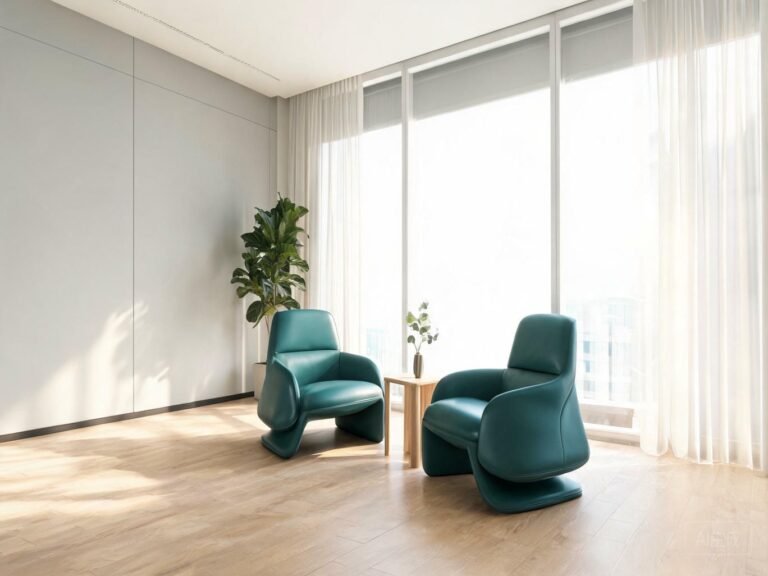
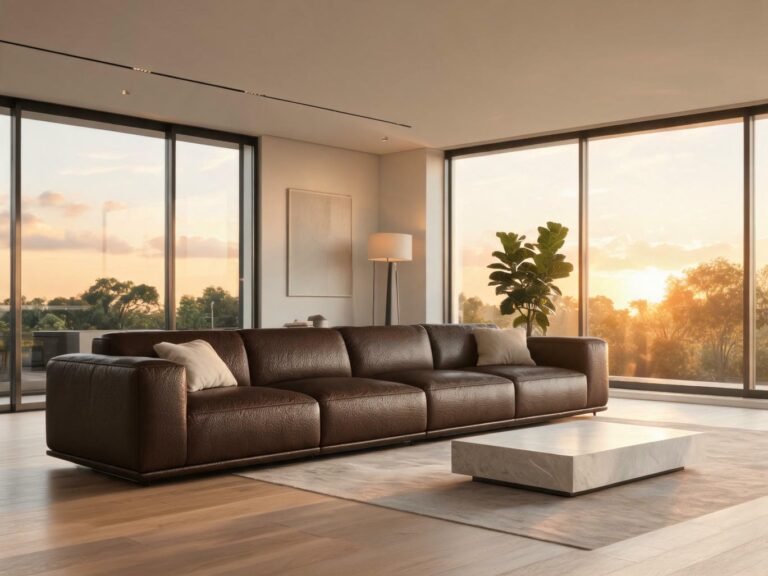
Synthetic fabric applications span automotive, furniture, and healthcare — each with distinct durability requirements.
For more on why most synthetic materials fail in the field, see our analysis of synthetic leather protection failures.
Spec Checklist: Sourcing Synthetic Fabric for 10+ Year Lifespans
When you’re evaluating types of synthetic upholstery fabric for a project that needs to last, use this 6-point checklist before signing any purchase order:
- Martindale cycles: Demand ISO 12947-2 test data. Minimum 100,000 for commercial; 200,000+ for high-traffic or automotive.
- UV stability: Require ASTM G154 data. Anything under 1,000 hours will fade or crack in outdoor or automotive applications.
- VOC emissions: Ask for ISO 16000-6 or VDA 277 results. Solvent-based coatings off-gas for months after installation.
- Hydrolysis resistance: Request ISO 11507 test results. If the supplier can’t provide them, walk away.
- Temperature range: Verify the operating range covers your application. Silicone handles -40°C to 250°C; PU fails above 80°C.
- Coating method: Dry coating (solvent-free) outperforms adhesive lamination. Ask how the coating bonds to the base fabric.
One of our clients in the contract furniture sector used this checklist to disqualify 4 out of 6 suppliers who couldn’t provide Martindale data above 50,000 cycles. The remaining two — both using silicone or high-end PU chemistry — delivered upholstery that’s still in service after 6 years. For a deeper look at durable leather testing protocols, our lab notes walk through each standard.
Watch how silicone-coated fabric outperforms PU and PVC across 5 performance tests.
Frequently Asked Questions
What double rub rating should synthetic fabric have for commercial use?
Commercial-grade synthetic fabric should exceed 30,000 double rubs (Martindale equivalent). For high-traffic environments like airports, cinemas, or public transport, specify 100,000+ cycles. Silicone-coated synthetic fabric consistently tests above 200,000 cycles under ISO 12947-2.
Is silicone leather considered a synthetic fabric?
Yes. Silicone leather is a synthetic fabric — specifically, a silicone elastomer coated onto a textile base. Unlike PU or PVC coatings, the silicone chemistry is solvent-free, VOC-free, and inherently hydrolysis-resistant. It meets all standard definitions of synthetic fabric while outperforming commodity alternatives on every durability metric. For details on its eco-friendly credentials, our certification page covers REACH, RoHS, and FDA compliance.
The Bottom Line on Synthetic Fabric Sourcing
The synthetic fabric market rewards buyers who look past upfront price. Polyester dominates 70% of global production, but Martindale testing proves it’s the wrong material for any application requiring more than 3-5 years of service. Silicone-coated synthetic fabric costs more per meter — and less per year of use. When your spec sheet requires 200,000+ abrasion cycles, 1,000+ hours of UV stability, and zero VOC emissions, the field narrows quickly. The right sourcing decision eliminates replacement cycles, reduces warranty claims, and keeps your project in spec for a decade or longer.
About TOPSUN
TOPSUN engineers silicone-coated synthetic fabric for B2B buyers who need upholstery materials that survive 200,000+ Martindale cycles across automotive, furniture, and healthcare applications.
Our testing lab verifies every batch against ISO 12947-2 abrasion, ASTM G154 UV stability, and ISO 9227 salt spray standards — with free A4 swatches shipped worldwide via DHL within 7 days.