Subscription leather service sounds like a smart deal — pay a quarterly fee, get professional conditioning, and extend your furniture’s life. But when you run the numbers on a 200-chair restaurant or a 50-cabin yacht, the math changes. A leather care subscription averaging $300 per unit per year means $60,000 annually for a mid-sized commercial fleet. And the dirty secret? The conditioning treatments exist because the leather degrades. What if it didn’t?
What Is a Subscription Leather Service? 3 Models Compared
The subscription leather service market has split into three distinct models, each targeting a different customer segment. Understanding which model you’re being sold — and whether you need it at all — is the first step in evaluating total cost of ownership.
- B2C conditioning subscription: Quarterly conditioning treatments and professional inspections. Averages $200–$400/year per item. Targets luxury goods owners (handbags, footwear) and premium furniture. Generates predictable recurring revenue for service providers.
- B2C repair subscription: Annual restoration plus on-demand repair services. Averages $400–$800/year. Includes re-dyeing, crack repair, and re-stitching. This is essentially insurance against material failure — which raises the question of why the material fails in the first place.
- B2B supply-as-a-service: Recurring material supply bundled with maintenance and warranty terms. Priced per square meter per year. This model, explored in KPMG’s product-as-a-service framework, shifts capex to opex — but only makes economic sense when the material actually needs ongoing maintenance.
| Service Model | What’s Included | Annual Cost/Unit | Suitable For | Hidden Cost |
|---|---|---|---|---|
| Quarterly conditioning | Cleaning + conditioning + inspection | $200–$400 | PU/genuine leather goods | Downtime during service |
| Annual restoration | Re-dyeing + crack repair + re-stitch | $400–$800 | Aged/damaged leather | Progressive material loss |
| B2B supply-as-a-service | Material + maintenance + warranty | $8–$15/m² | Commercial fleets | Perpetual opex commitment |

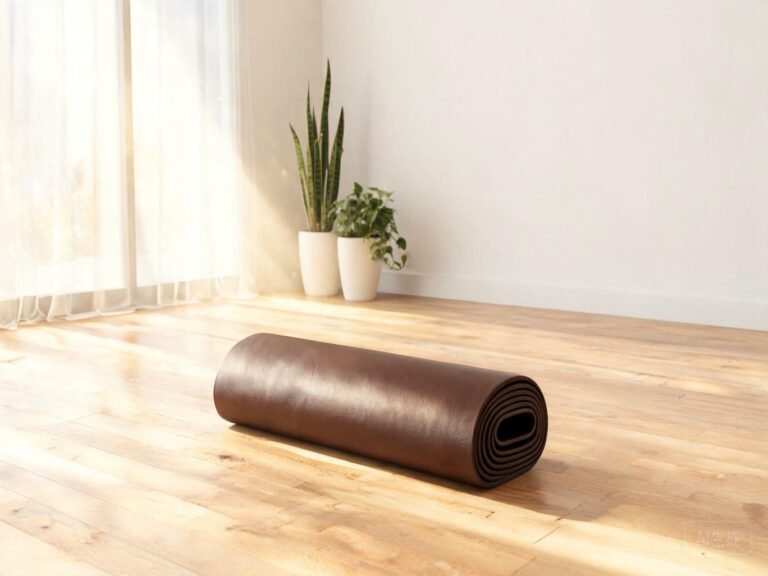
Premium leather softness display — the tactile quality that subscription conditioning services aim to preserve
The TCO Trap: Why Conditioning Subscriptions Cost More Than You Think
The leather maintenance subscription cost looks manageable on a per-unit basis. But B2B buyers don’t buy single units. A 200-seat hotel restaurant with PU leather chairs on a $300/year conditioning subscription spends $60,000 annually — $300,000 over five years — just to keep the leather from cracking. That’s before factoring in service downtime, logistics coordination, and the labor cost of moving furniture out for treatment.
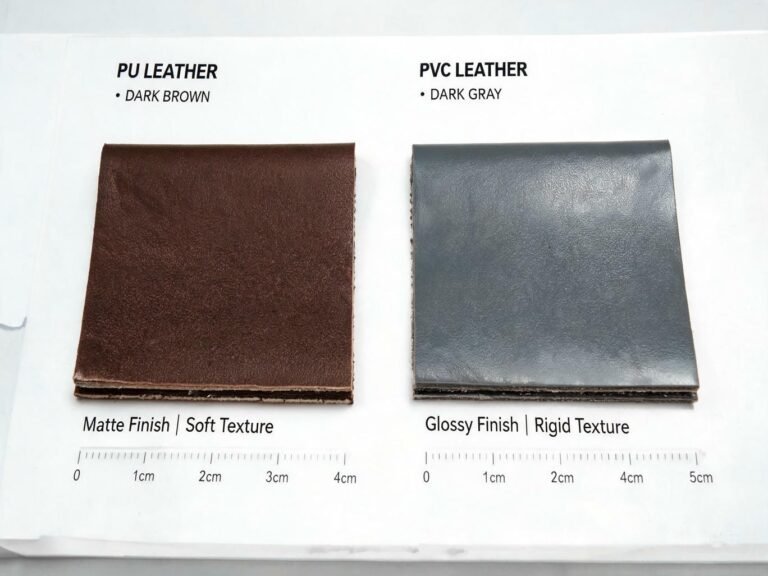
Here’s the uncomfortable truth: conditioning subscriptions exist because PU and genuine leather lose their plasticizers and natural oils over time. The surface dries, cracks, and fades — and the subscription steps in to temporarily reverse what is fundamentally a material degradation process. The patch failure patterns we’ve documented show that even professional conditioning can’t stop the underlying chemistry from degrading. It just slows the visible symptoms.
In our TCO analysis for a hotel chain evaluating 300 guest room headboards, the five-year cost breakdown looked like this: PU leather material at $8/m² plus $300/year conditioning subscription = $1,508/m² total. Silicone leather at $22/m² with zero conditioning = $22/m² total. The subscription model isn’t saving money — it’s financing the consequences of a material choice that was cheap upfront but expensive over time.
How Silicone Leather Eliminates the Need for Subscription Services
The silicone vs PU material comparison reveals a fundamental difference in chemistry. PU leather contains plasticizers that evaporate over 3–5 years, causing the surface to harden and crack. Genuine leather loses natural oils through UV exposure and repeated cleaning. Both degradation mechanisms create the market for conditioning subscriptions.
Silicone leather has no plasticizers to lose. Its surface chemistry is inherently stable — non-porous, UV-resistant for 1,000+ hours, and hydrolysis-proof. The material doesn’t dry out because there’s nothing to evaporate. It doesn’t crack because the silicone polymer chain remains flexible from -40°C to 250°C. Silicone leather maintenance free isn’t a marketing claim — it’s a chemistry fact. The non-porous surface repels liquids, resists stains, and cleans with water. No conditioning oils, no professional treatments, no subscription renewals.

Flexibility bending test — verifying that the material maintains suppleness without conditioning treatments
Subscription Leather Service for B2B Supply Contracts
The B2B version of subscription leather service — supply-as-a-service — bundles material delivery, scheduled maintenance, and warranty coverage into a per-square-meter annual fee. For materials that genuinely degrade, this model shifts capital expenditure to operating expenditure and provides budget predictability. For furniture and sofa applications in hospitality and commercial settings, this can make sense when the alternative is replacing entire furniture fleets every 3–5 years.
But the model has a structural flaw when applied to durable materials. If the leather doesn’t degrade, the maintenance component of the subscription becomes pure margin for the supplier — and pure waste for the buyer. A leather protector subscription for silicone leather surfaces is paying for protection against threats the material already resists. The leather supply contract terms should reflect actual maintenance needs, not a one-size-fits-all schedule designed for PU’s degradation timeline.

Classic collection swatch rack — material options for B2B supply contracts with zero maintenance requirements
How silicone leather’s 10+ year maintenance-free lifespan eliminates recurring service costs

Synthetic leather care guide — understanding which materials actually require ongoing maintenance
Frequently Asked Questions
Is a leather conditioning subscription worth it for commercial furniture?
For PU and genuine leather furniture, conditioning subscriptions can delay visible degradation — but they can’t stop the underlying chemistry from failing. For silicone leather furniture, conditioning is unnecessary: the material has no plasticizers to replenish, no natural oils to restore, and no pores to clog. The subscription fee becomes pure overhead.
Can B2B leather supply contracts include maintenance terms?
Yes — and they should be negotiated carefully. Supply-as-a-service contracts that bundle maintenance make sense for degrading materials like PU. For silicone leather, negotiate a supply-only contract without maintenance components, since the material’s 10+ year maintenance-free lifespan makes the maintenance fee unnecessary overhead.
The Real Question Isn’t the Subscription — It’s the Material
Subscription leather service models exist to solve a problem that better materials eliminate. The conditioning subscription, the repair plan, the supply-as-a-service bundle — each one generates recurring revenue from material degradation. When you choose silicone leather with its 10+ year maintenance-free lifespan, zero-VOC chemistry, and 200K+ Martindale abrasion cycles, you’re not just buying material. You’re buying out of the subscription treadmill entirely. For B2B buyers, the choice is simple: pay forever for maintenance, or pay once for a material that doesn’t need it.
About TOPSUN
TOPSUN supplies silicone leather materials engineered for zero-maintenance performance, eliminating the recurring conditioning and repair costs that subscription leather service models are designed to address.
10+ year service life without conditioning · 200K+ Martindale abrasion cycles · Non-porous stain-resistant surface · Bleach-safe cleaning compatibility verified by SGS