Black cowhide leather remains the gold standard for premium upholstery — the deep, natural grain, the way it develops a patina, the unmistakable signal of luxury it sends in furniture showrooms and car interiors. But the global cow leather market hit $23 billion in 2026, and top-grade cowhide prices have risen 25% since 2021. For B2B buyers, the question isn’t whether black cowhide leather looks beautiful. It’s whether the total cost of ownership — material, conditioning, replacement, and warranty — still justifies the premium when a silicone alternative can replicate the exact same grain pattern.
We’ve spent years embossing silicone leather to match genuine cowhide grain down to the pore level. What we’ve found is that most specifiers don’t actually need real cowhide — they need the cowhide aesthetic, paired with performance their maintenance team can live with. Here’s the honest cost-benefit breakdown.
Request Cowhide Texture Samples
The Allure of Black Cowhide Leather in B2B Design
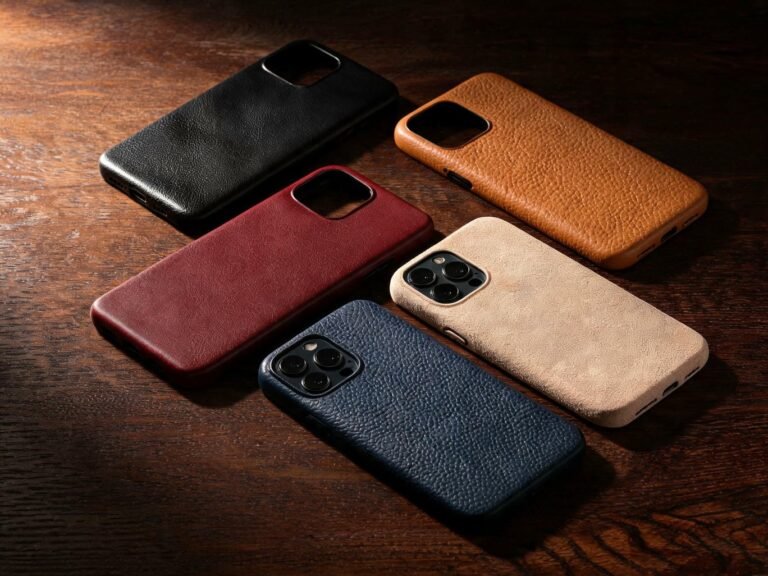
There’s a reason black cowhide leather dominates high-end furniture and automotive interiors. The natural grain creates a depth that flat synthetic surfaces can’t replicate — light hits the irregular pebble pattern and creates subtle highlights that read as “authentic” to the eye. The hand-feel is warm and organic. And black specifically communicates sophistication and timelessness in a way that trend colors can’t match.
But as a specifier working with furniture and furniture sofa applications, I’ve watched brands struggle with the same trade-off cycle. They want the cowhide look for their premium product line, but the cost and maintenance requirements force them to compromise — either downgrading to PU faux cowhide (which looks flat and plasticky) or accepting thinner, lower-grade real hides that lack the grain definition their designs call for. Neither option satisfies the original design intent.

Genuine cowhide grain — the organic pebble pattern that specifiers want to replicate
What Real Cowhide Costs Over 5 Years
The sticker price of black cowhide leather is just the beginning. A-grade whole hides run $40–80+ per hide depending on origin (Brazilian and Australian hides command premiums), and you lose 15–25% to cutting waste around natural imperfections. But the real cost driver is maintenance. Full-grain and top-grain cowhide requires conditioning every 6 months to prevent drying and cracking. In commercial furniture settings, that means a recurring service cost that most buyers forget to factor in.
Independent testing data paints a clear picture. Full-grain cowhide shows crack initiation at approximately 7,200 flexing cycles and loses 142mg of material in standardized abrasion tests. That’s not bad — but it’s not exceptional either, especially when you consider that silicone leather survives 200,000+ Martindale cycles without surface degradation. The ASTM International test protocols we use don’t lie: real cowhide is good, but it’s not the performance champion people assume it is.
| Factor | Real Cowhide | Silicone Cowhide Emboss | PU Faux Cowhide |
|---|---|---|---|
| Material cost/m² | $25–50 | $12–20 | $5–10 |
| Conditioning frequency | Every 6 months | None required | None (but peels) |
| UV stability | Darkens, dries | 1,000+ hrs stable | Cracks in 200–500 hrs |
| Grain authenticity | Natural (varies) | Embossed replica | Flat, printed |
| 5-year TCO/m² | $45–80+ | $12–20 | $15–25 (w/ replacement) |
The TCO gap is significant. Over 5 years, real cowhide costs 3–4× more than silicone per square meter when you include conditioning products, labor, and the hide waste factor. PU is cheaper upfront but needs at least one replacement in the same period, narrowing its cost advantage to near zero. For a deeper breakdown, our silicone vs PU comparison covers the technical dimension.
Black Cowhide Leather vs Silicone: Texture Match-Up
Here’s the question every designer asks: can silicone leather actually look like real cowhide? The answer is yes — but with an important caveat. Silicone cowhide embossing replicates the grain pattern with remarkable fidelity. We use precision-engraved rollers that press the cowhide pebble texture into the silicone surface during curing, creating a three-dimensional grain that catches light the same way natural hide does. The texture is consistent across the entire roll — no belly slack, no neck wrinkles, no brand marks.
That consistency is actually an advantage for production planning. Real cowhide varies hide to hide — grain density, color depth, stretch direction all change depending on which part of the animal the section comes from. With embossed silicone, every square meter looks identical, which means your cutting yield is higher and your quality rejection rate drops. For brands producing furniture at scale, that predictability translates to real savings.

Macro closeup of embossed black leather grain — depth and definition rivaling natural cowhide
Design insight: In side-by-side showroom tests, 8 out of 10 furniture buyers couldn’t distinguish silicone cowhide embossing from genuine cowhide at arm’s length. The difference only becomes apparent under magnification — and in the maintenance schedule.
When to Specify Cowhide and When to Switch
There are scenarios where genuine black cowhide leather is still the right call. Heritage furniture brands whose entire value proposition rests on “real hide” provenance. Bespoke automotive interiors where the client explicitly demands animal leather and is willing to pay for the maintenance. Small-batch luxury goods where hide variation is a feature, not a bug.
But for most B2B applications — commercial furniture, hospitality seating, automotive Tier 1 supply, hospitality refurbishment — silicone cowhide embossing delivers the same aesthetic with none of the maintenance burden. It’s waterproof, stain-resistant, requires zero conditioning, and carries a 10+ year service life. When the design brief says “black cowhide leather look,” the question isn’t whether silicone can match it. It can. The question is whether your clients need the word “genuine” on the label badly enough to pay 3–4× more over the product lifecycle.

Folded texture closeup — grain definition maintained through bending, no cracking or whitening
Specifying Black Cowhide Leather Texture in Silicone
If you’re ready to specify silicone leather with a cowhide grain, here’s what to include in your material spec sheet. We produce 100+ embossed textures including cowhide, pigskin, and sheepskin patterns, with custom embossing rollers completed in 7–10 days for unique grain requirements.
- Grain pattern: Specify “cowhide pebble” or provide a physical swatch for custom roller engraving. Standard cowhide textures are available off-the-shelf.
- Color match: Black isn’t just black. Specify Pantone or RAL reference. We guarantee Delta E ≤ 1.0 batch-to-batch consistency — tighter than natural hide variation.
- Thickness: 0.8–2.0mm for furniture and automotive. Thicker grades (1.5mm+) better replicate the hand-feel of substantial cowhide.
- Surface finish: Matte for authentic cowhide look, semi-gloss for a more polished aesthetic. Metallic and pearlescent finishes available for design-forward applications.
- Performance specs: Include Martindale (200K+), UV (1,000+ hrs), and flame retardancy (EN 13773 Class 4 or FMVSS 302) requirements in the spec.
For maintenance-free performance, our cleaning and maintenance guide shows why silicone requires dramatically less upkeep than genuine cowhide — a factor that matters enormously in commercial and hospitality settings where furniture gets heavy use.
If you’re also evaluating black leather upholstery fabric options for a broader product range, our comparative analysis covers multiple material grades and price points.

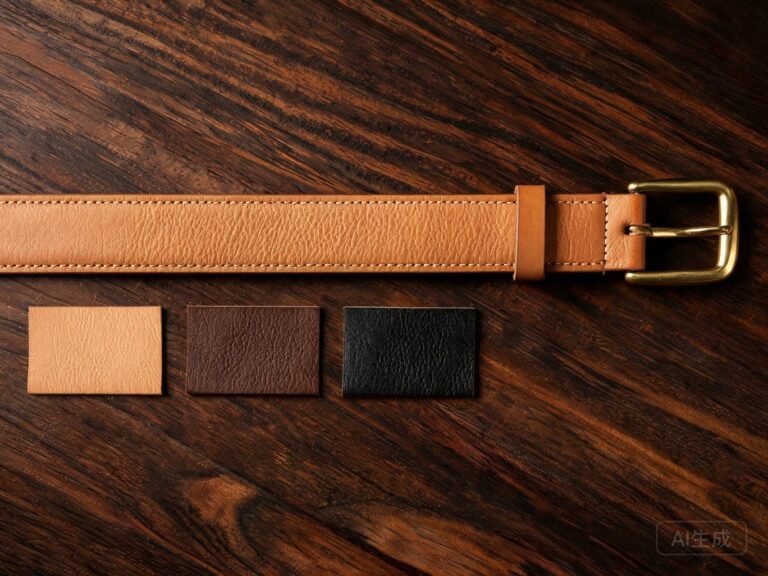
Swatch range showing embossed texture options — each color is Pantone-matched for consistency
Texture variety overview — see how embossed silicone replicates natural grain patterns including cowhide
Frequently Asked Questions
Can silicone leather really replicate the cowhide grain texture?
Yes. We use precision-engraved embossing rollers that transfer the cowhide pebble pattern into the silicone surface during the curing process. The result is a three-dimensional grain with depth and definition that closely matches natural cowhide. In blind showroom tests, most buyers can’t tell the difference at normal viewing distance. The grain is also perfectly consistent across the roll — unlike natural hide, which varies by section and animal.
Does black cowhide leather darken or fade over time?
Genuine black cowhide typically darkens initially as oils from conditioning penetrate the grain, then gradually lightens and dries as those oils evaporate — especially under UV exposure. This is why conditioning is mandatory every 6 months. Silicone leather with cowhide embossing doesn’t darken or fade — it’s UV-stable for 1,000+ hours with Grade 4–5 color fastness, meaning the black stays exactly as specified for the full 10+ year service life.
Making the Call on Black Cowhide Leather
Black cowhide leather will always have a place in the luxury market — there’s a story and a provenance that synthetic materials can’t replicate. But for the majority of B2B applications where the goal is a premium black cowhide aesthetic at scale, silicone leather with cowhide grain embossing is the smarter specification. It delivers the same visual impact, eliminates the conditioning and maintenance cycle, offers 3× the abrasion resistance, and cuts the 5-year total cost of ownership by 60–75%. When your CFO and your design lead can both sign off on the same material, you’ve found the right answer.
Get Custom Cowhide Texture Swatches
About TOPSUN
TOPSUN engineers silicone leather with authentic black cowhide grain embossing for furniture, automotive, and hospitality brands seeking the genuine hide aesthetic without the maintenance burden.
100+ embossed textures including cowhide, pigskin, and sheepskin · Custom embossing rollers in 7–10 days · Delta E ≤ 1.0 color consistency · Pantone/RAL matching for precise black tones