Walk into any furniture store, browse any luxury brand website, or read any car interior spec sheet, and you’ll see the word: “Premium leather.” It’s everywhere. But what does it actually mean? The uncomfortable truth is that “premium” is a marketing word, not a technical grade. There’s no industry standard, no certification, no test you pass to call your leather “premium.” A $500 sofa and a $5,000 sofa can both claim to use premium leather — and they’d both be telling the truth, sort of.
Real leather quality isn’t about marketing adjectives. It’s about specific, verifiable characteristics of the hide, the tanning process, and the finishing. In this article, we break down the seven tangible markers that separate genuinely high-quality leather from marketing fluff, explain what Nappa leather actually is (and why some “Nappa” isn’t what you think), and cover how premium synthetic alternatives like silicone leather are changing what “premium” even means for 21st-century interiors.
Compare Premium Material Samples
The 7 Quality Markers of Genuine Premium Leather
True premium leather is defined by measurable characteristics, not marketing copy. Here are the seven factors that determine whether leather is genuinely high quality — and how to verify each one:
1. Grain integrity. The single most important quality marker. Premium leather uses the top layer of the hide — the grain — with its natural fiber structure intact. Full-grain leather is the highest grade: the grain surface is completely untouched, with all natural pores, imperfections, and variation preserved. Top-grain leather has the surface lightly sanded to remove blemishes, then re-finished — still premium, but one tier down. The key point: the fiber density of the grain layer is what gives leather its strength and durability. The more intact the grain, the longer the leather lasts.
How to verify: Look at the surface closely. Premium full-grain leather has irregular, natural pore patterns — no two square inches look identical. If the grain is perfectly uniform or repeats in a pattern, that’s an embossed coating, not natural grain. Also check the edge: you should see continuous dense fibers from top to bottom, not a distinct coating layer on top of a fibrous base.

Premium leather surface — natural grain has irregular pores and texture that varies across the hide; lower grades have uniform embossed patterns
2. Hide source and selection. The finest leathers come from specific breeds of animals raised in specific regions, much like premium wine comes from specific vineyards. European hides (German, Italian, Scandinavian) are generally considered the highest quality due to stricter animal husbandry, fewer barbed wire scars, and more consistent climate. The selection ratio matters too — premium tanneries might select only the top 5–10% of hides for their premium lines, rejecting the rest for lower-grade products.
3. Tanning method and quality. How leather is tanned has a massive impact on its quality, feel, and longevity. Vegetable tanning — using tree bark extracts — is the oldest method and produces leather with a beautiful natural patina, but it’s slower and more expensive. Chrome tanning is faster and produces softer, more water-resistant leather. Both methods can produce premium results — what matters more is the quality of the tanning chemistry, the expertise of the tanners, and environmental controls. Premium tanneries use high-quality tanning agents, precise process control, and extensive testing.
4. Coating thickness. This is one of the most underappreciated quality markers. Premium full-grain and Nappa leather has an ultra-thin coating — sometimes just 0.01mm, essentially a transparent protective layer. This preserves the natural feel, breathability, and grain of the leather. Budget “genuine leather” (split-hide) has a thick PU coating (0.03–0.1mm or more) that completely covers the fibrous split layer, giving it a plastic feel and creating the peeling problem we discussed earlier. Thinner coating = higher quality = more natural feel, but also more care required.
Designer insight: Premium Nappa leather has a coating so thin — around 0.01mm — that you can still feel the natural pores and grain through it. Breathability can reach 20 CFM (cubic feet per minute), compared to 5–10 CFM for standard corrected-grain leather. That difference is something you feel immediately when you sit in a premium leather car seat or touch a premium leather bag.
5. Fiber density and tensile strength. Quality leather has dense, tightly packed collagen fibers that give it high tensile strength and tear resistance. Premium full-grain leather typically has a tensile strength of 20–35 N/mm², compared to 10–20 N/mm² for split-hide genuine leather. You can’t measure this by eye, of course, but you can ask for the test data — and reputable suppliers will have it.
6. Color fastness and consistency. Premium leather dyes penetrate deeply and evenly, maintaining color consistency across the entire hide and between production batches. Cheaper leathers use surface pigments that rub off or fade quickly. For commercial and automotive applications, batch-to-batch color consistency (measured as Delta E) is critical — premium suppliers achieve Delta E ≤ 1.0, while budget suppliers might have Delta E of 3.0 or more between batches.
7. Certification and traceability. Truly premium leather comes with documentation. LWG (Leather Working Group) certification for the tannery, REACH compliance for chemicals, ISO quality management, and sometimes even hide traceability back to the farm. If a supplier can’t tell you where the hides come from or what certifications the tannery holds, the leather probably isn’t as premium as claimed.
Nappa Leather: The Premium Buzzword Explained
If you’ve shopped for car interiors or high-end furniture, you’ve definitely seen “Nappa leather” marketed as the premium upgrade. But what exactly is Nappa leather, and is it always premium?
Nappa leather originated with the Sawyer Tanning Company in Napa, California, in the 1800s. It described a specific type of soft, full-grain leather tanned with alum and salt, known for its buttery-soft hand feel and natural grain. Today, “Nappa” has become a generic descriptor for any soft, smooth leather — and that’s where the confusion starts.
| Nappa Type | What It Actually Is | Is It Premium? |
|---|---|---|
| Genuine Full-Grain Nappa | Full-grain calf or lamb hide, minimal coating, soft tanning process, natural grain visible | Yes — top-tier premium |
| Top-Grain “Nappa-Style” | Top-grain hide corrected and re-finished to be soft, labeled “Nappa” for marketing | Mid-tier — good but not true Nappa |
| Split-Hide “Nappa” | Split leather with embossed grain and PU coating, called “Nappa” because it’s smooth | No — just marketing |
| Synthetic / PU “Nappa” | PU leather with a smooth, soft finish marketed as “Nappa-style” | No — not even leather |
The problem is that “Nappa” isn’t a trademarked term or a regulated standard. Any manufacturer can call their leather “Nappa” — and many do, even if it’s split-hide with a thick PU coating. If you’re paying a premium for “Nappa leather,” verify that it’s actually full-grain or top-grain with minimal coating. If it’s split-hide or synthetic, you’re paying a premium price for a marketing word, not premium material.

Premium leather samples — high-quality leather has consistent coloring, natural grain variation, and a rich, supple feel
The New Premium: Silicone Leather and the Changing Definition of Luxury
For most of history, “premium leather” meant one thing: the finest animal hide, the best tanning, the most natural feel. But in the last decade, a new category of premium materials has emerged — high-performance synthetic leathers that challenge genuine leather on quality while offering advantages traditional leather can’t match.
Silicone leather is leading this shift. What started as a niche industrial material is now being specified for luxury automotive interiors, high-end hospitality projects, premium furniture collections, and luxury yachts. And it’s redefining what “premium” means in the process.
Here’s why designers and specifiers are increasingly choosing premium silicone leather over genuine leather for certain applications:

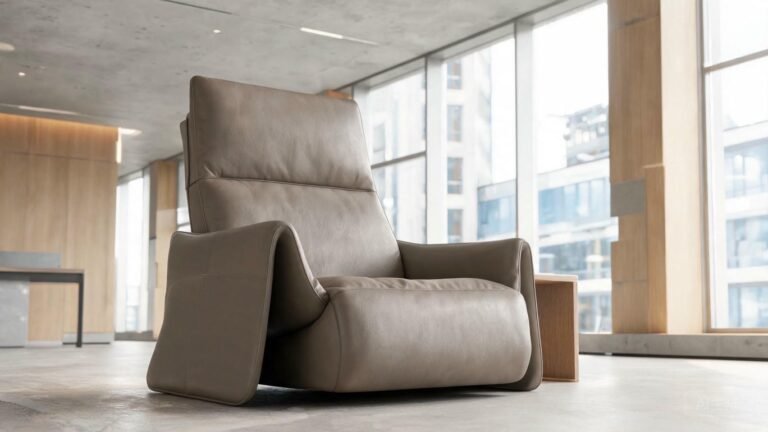
Premium interior design — modern luxury increasingly values performance and consistency alongside natural materials
- Consistency at scale. Genuine premium leather has natural variation — every hide is slightly different. That’s part of its charm for luxury goods, but it’s a problem for commercial projects where 500 identical chairs need to match exactly. Premium silicone leather delivers Delta E ≤ 1.0 batch-to-batch color consistency — something genuine leather can’t match at scale.
- Performance you can feel. Premium silicone leather has a supple, luxurious hand feel that rivals top-grain leather. But unlike genuine leather, it’s stain-resistant, bleach-cleanable, UV-stable, and maintenance-free. For high-traffic premium spaces — hotels, restaurants, offices — the combination of premium feel and commercial durability is a game-changer.
- Sustainability without compromise. Increasingly, premium means sustainable. High-end buyers and brands want materials that align with their environmental values. Premium silicone leather offers zero VOC emissions, recyclable construction, and 10+ year service life — a sustainability profile that genuinely premium but environmentally impactful genuine leather can’t match.
- Vegan and cruelty-free positioning. For luxury EV brands, sustainable fashion labels, and premium consumer products marketed to ethically conscious consumers, vegan leather isn’t a budget option — it’s a premium feature. Consumers in this segment will pay more for a material that aligns with their values, not less.
Premium Furniture Applications
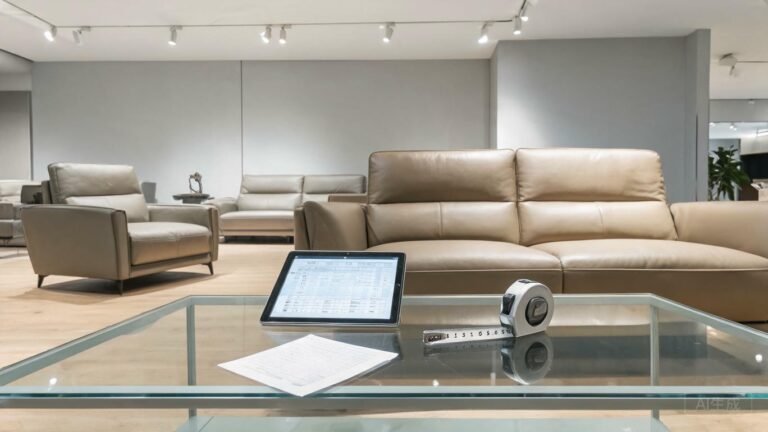
Premium furniture textures and finishes — see how silicone leather achieves a luxury look with commercial-grade durability
How to Specify Premium Materials for Your Project
Whether you’re specifying genuine leather or a premium synthetic alternative, the process is the same: define your quality criteria, verify with data, and don’t rely on marketing labels. Here’s a specifier’s checklist:

Premium material swatches — always compare physical samples and verify quality data before specifying for a project
- Define what “premium” means for your project. Is it natural patina? Color consistency? Durability? Sustainability? Softness? Different projects have different premium priorities. A boutique hotel lobby might value natural character and patina. A 500-room hotel chain might value consistency and durability. Write down your top 3–5 quality criteria before you start evaluating materials.
- Get specific in your spec. Don’t write “premium leather” — write “full-grain top-grain cowhide, 1.2–1.4mm thickness, semi-aniline finish, light fastness Grade 4+, LWG Gold certified tannery.” The more specific you are, the less room there is for suppliers to substitute lower-grade material with a “premium” marketing label.
- Ask for test data — and verify it. Any supplier can claim “premium quality.” Reputable suppliers back it up with third-party test reports: abrasion resistance, light fastness, tear strength, color consistency, VOC emissions, chemical composition. If a supplier can’t or won’t provide test data, that’s a red flag.
- Compare physical samples side by side. You can’t evaluate premium feel from a website. Order A4 samples from multiple suppliers and compare them in person. Feel the hand, check the grain consistency, smell the material, bend it and flex it to see how it responds. The difference between premium and budget is immediately obvious when you have them next to each other.
- Consider both genuine and synthetic premium options. For many projects today, the best “premium” choice isn’t genuine leather at all — it’s a high-performance synthetic like silicone leather that offers a premium look and feel with better durability, consistency, and sustainability. Don’t limit your options by assuming premium means animal hide.
- Factor in lifecycle cost, not just upfront cost. Premium genuine leather is expensive upfront but lasts 15–20 years with proper care. Premium silicone leather is also expensive upfront but lasts 10+ years with zero maintenance. Budget “genuine leather” is cheaper upfront but needs replacement every 3–5 years. The cheapest option often costs the most over time.
Frequently Asked Questions
Is Italian leather always premium?
Not necessarily. Italy has a long tradition of high-quality leather craftsmanship, and many of the world’s best tanneries are in Italy — particularly in Tuscany. But “Italian leather” isn’t a regulated term either. There are budget Italian leathers and premium leathers from other countries (Germany, France, Japan, Argentina). The country of origin can be a quality signal, but it’s not a guarantee. Always verify the actual leather grade, tannery reputation, and test data rather than relying on “Made in Italy” as a quality stamp.
Can synthetic leather ever be considered premium?
Absolutely — and the definition of “premium” is shifting. For decades, premium was defined by natural materials and craftsmanship. Today, premium is increasingly defined by performance, consistency, sustainability, and user experience. Silicone leather, microfiber leather, and high-end PU leather all have premium-tier products that match or exceed genuine leather on specific quality metrics (durability, cleanability, color consistency, VOC emissions). The question isn’t whether synthetic leather can be premium — it’s which premium characteristics matter most for your specific application. For a high-traffic commercial space, a material that stays looking new for 10+ years with zero maintenance is more premium than genuine leather that needs regular conditioning and shows wear after 5 years.
Premium Is What You Can Verify, Not What You’re Told
The word “premium” is everywhere in the leather industry, but it rarely means the same thing twice. Some suppliers use it to describe full-grain Italian leather from LWG Gold-certified tanneries. Others use it for split-hide leather with a thick PU coating and a “Nappa-style” embossed grain. Both can legally call their product premium — because there’s no standard definition.
The solution is to stop relying on marketing labels and start evaluating materials based on verifiable characteristics: grain integrity, hide source, tanning quality, coating thickness, fiber density, color consistency, and certification. These are the seven markers that actually determine quality — and any reputable supplier can provide evidence for all of them.
And as you evaluate your options, keep an open mind about what “premium” means. Genuine full-grain leather will always have its place for products that value natural character, patina, and craftsmanship. But for many modern applications — commercial interiors, automotive EV programs, high-traffic hospitality — premium silicone leather offers a different kind of quality: consistent, durable, sustainable, and maintenance-free. It’s not better than genuine leather — it’s better at different things. The smart specifier chooses based on what the project actually needs, not based on what the marketing says.
Talk to Our Material Specialists
About TOPSUN
TOPSUN produces premium silicone leather for high-end furniture, automotive interiors, and luxury commercial projects — delivering consistent quality, exceptional performance, and sustainable credentials that meet the standards of the most discerning specifiers and brands.
Delta E ≤ 1.0 batch-to-batch color consistency, 200,000+ Martindale cycles, ISO 10993 biocompatible, FDA food contact safe, zero VOC, 100+ premium textures, custom development for OEM and designer programs.