The leather and synthetic leather debate never gets old because it never has a single answer. Genuine leather has 5,000 years of history and a sensory appeal that synthetics still struggle to match. Synthetic leather has improved dramatically in the past decade — to the point where, for many applications, it outperforms genuine leather on the metrics that actually matter most.
The problem is that most comparisons are written by marketers, not engineers. They cherry-pick metrics that make their preferred material look good. In this guide, we’re doing something different: we’re comparing genuine leather (top-grain cowhide, the standard for “premium” leather products) against two types of synthetic leather — PU (the most common synthetic) and silicone leather (the fastest-growing premium synthetic) — across 12 objective performance metrics. No hype. No bias. Just test data and practical engineering conclusions.
The 12-Metric Comparison Table
Before we dive into the details, here’s the full comparison at a glance. We’re comparing top-grain cowhide (genuine leather’s most common premium grade), standard PU synthetic leather (mid-grade, 0.3mm coating on polyester backing), and silicone-coated synthetic leather (premium grade, 0.4mm silicone on microfiber backing).
| Metric | Genuine Leather (Top-Grain) | PU Synthetic | Silicone Synthetic |
|---|---|---|---|
| Abrasion (Martindale) | 50,000–100,000 cycles | 30,000–60,000 cycles | 100,000–200,000+ cycles |
| UV Resistance (SAE J2527) | 500–1,000 hrs (ΔE ≤ 3) | 500–1,000 hrs (ΔE ≤ 3) | 1,500+ hrs (ΔE ≤ 2) |
| Stain Resistance | Moderate (coated) / Poor (aniline) | Good (oil-based stains can set) | Excellent (all stains wipe off) |
| Breathability (MVTR) | 800–1,200 g/m²/24h | 100–300 g/m²/24h | 200–500 g/m²/24h |
| Cold Crack Resistance | −20°C to −30°C | −15°C to −25°C | −40°C to −50°C |
| Flex Endurance | 200,000–500,000 flexes | 100,000–200,000 flexes | 500,000+ flexes |
| Color Consistency | Good (ΔE 1.5–3.0) | Excellent (ΔE 1.0–1.5) | Excellent (ΔE ≤ 1.0) |
| VOC Emissions | Low-Moderate (tanning residues) | Moderate-High (plasticizers) | Zero / Near-zero |
| Chemical Resistance | Poor (alcohol, solvents damage it) | Fair (some solvents attack PU) | Excellent (inert to most chemicals) |
| Tactile Feel | Natural, warm, develops patina | Can feel plastic-y | Soft, dry-touch, premium |
| Cost (per m²) | $25–$60 | $5–$15 | $15–$35 |
| Expected Lifespan | 10–20+ years (with care) | 3–7 years | 10–15+ years |
The first thing that jumps out: there’s no clear “winner.” Each material wins on different metrics. Genuine leather wins on breathability and patina development. PU wins on upfront cost. Silicone wins on abrasion, UV, stain resistance, cold crack, flex endurance, color consistency, VOCs, and chemical resistance. The right choice depends entirely on which metrics matter most for your application.

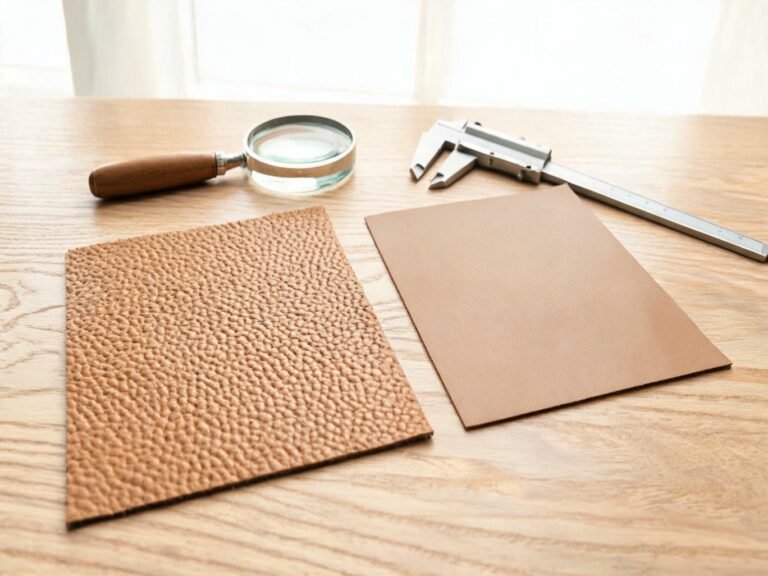
Physical testing laboratory — all comparison data is based on standardized test methods like ISO, SAE, and ASTM.
Engineering takeaway: When evaluating materials, don’t pick the one with the most wins — pick the one that wins on the 2–3 metrics that are critical for your specific application.
Breaking Down the Key Performance Metrics
Let’s go deeper on the metrics that most often drive B2B material selection decisions.
Abrasion resistance: The durability workhorse
Abrasion resistance (measured in Martindale cycles) is the most commonly cited durability metric — and with good reason. It directly correlates with how long a material will look good under real-world use. Here’s the surprise: silicone synthetic leather significantly outperforms genuine leather on this metric, often by 2x or more. This is counterintuitive for many people who assume “real leather” is always more durable, but it makes sense when you think about it: the silicone coating is a uniform, engineered wear layer, whereas leather’s surface is natural and variable. For high-wear applications like restaurant booths, office chair armrests, or public transit seating, this metric alone can justify choosing synthetic.
UV resistance: Critical for anything near a window
UV exposure causes color fading, coating embrittlement, and eventually cracking. Both genuine leather and PU are vulnerable because the organic components in both break down under UV radiation. Silicone, by contrast, is inherently UV-stable because the silicon-oxygen bonds in its molecular structure are much stronger than carbon-carbon bonds. For automotive interiors, marine applications, or furniture placed near large windows, this is one of the most important metrics — and it’s where silicone has the biggest advantage.
Breathability: The comfort metric
This is where genuine leather shines. Leather is a natural material with pores that allow moisture vapor to pass through, which is why leather seats and shoes feel more comfortable in hot weather than synthetic ones. PU leather is essentially non-breathable — it traps heat and moisture against the skin. Silicone leather is somewhere in the middle; the coating itself isn’t breathable, but when combined with a breathable microfiber backing and perforations, it can approach genuine leather levels of comfort. For applications where skin contact is prolonged and comfort matters most (car seats, shoe uppers, furniture), breathability is genuine leather’s strongest advantage.

Synthetic leather coating production line — manufacturing consistency is a key advantage over natural leather.
Application-by-Application: Which Material Wins Where
The best way to think about leather and synthetic leather is not “which is better” but “which is better for this specific application.” Here’s how the three materials stack up across common B2B use cases.
Furniture upholstery — Genuine leather for premium residential (where patina and breathability are selling points). Silicone synthetic for commercial/hospitality (stain resistance and durability matter most). PU synthetic for budget residential and fast-turnaround projects. For more, see our furniture sofa applications guide.
Automotive interiors — Genuine leather (top-grain Nappa) for luxury trims (brand prestige and tactile feel). Silicone synthetic for performance EV trims (UV resistance, low VOC, stain resistance from food and drink). PU synthetic for base trims (cost). Our car upholstery material selection guide covers this in depth.
Marine and outdoor — Silicone synthetic is the clear winner here. Genuine leather and PU both degrade rapidly under constant UV, salt, and moisture exposure. Only silicone and PVC (which has its own toxicity issues) hold up in marine environments. See marine and outdoor applications for more.
Medical and healthcare — Silicone synthetic dominates. The ability to withstand frequent cleaning with disinfectants and alcohol is non-negotiable in healthcare settings, and genuine leather and PU both degrade under those conditions. Plus, silicone’s low VOC and bacterial resistance are significant advantages. See medical healthcare applications.
Fashion accessories — Genuine leather for luxury and heritage brands (status, craftsmanship, patina). PU synthetic for fast fashion (cost, trend turnaround). Silicone synthetic for premium contemporary (vegan positioning, stain resistance, color consistency).

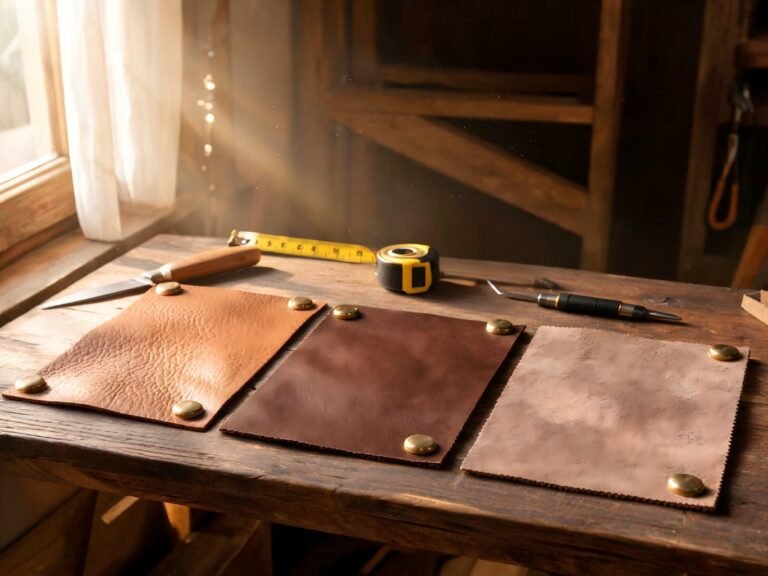
Material comparison — the “right” choice depends entirely on your application and priorities.
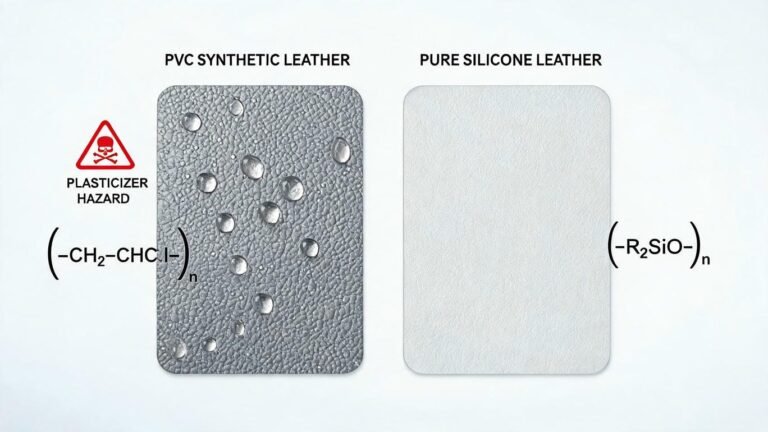
Silicone leather properties overview — see how it compares to genuine leather and PU across key performance characteristics.
The Sustainability Debate: Which Is Actually Greener?
The environmental comparison between leather and synthetic leather is the most contentious — and the most misrepresented. Both sides have legitimate claims, and both sides love to cite only the studies that support their position. Here’s a balanced look at the key environmental issues.
Genuine leather’s environmental case: Leather is a byproduct of the meat industry — if we didn’t tan hides into leather, 134 million hides per year would go to landfill, where they’d decompose and release methane (a potent greenhouse gas). It’s biodegradable. It lasts a long time (which reduces consumption). And the hide is essentially using a waste product. Counterargument: the meat industry itself has a huge environmental footprint (deforestation, water use, greenhouse gas emissions), and even if leather is a “byproduct,” it still shares responsibility for that impact.
Synthetic leather’s environmental case: It doesn’t require animal agriculture (the #1 driver of deforestation in the Amazon). It uses less water per square meter than tanned leather. It’s more consistent and produces less waste in manufacturing. Counterargument: most synthetic leather (PU and PVC) is made from fossil fuels, doesn’t biodegrade, and can shed microplastics as it wears. The manufacturing process uses toxic chemicals (DMF, plasticizers, etc.).
Silicone leather’s position: It’s made from silica (sand), not oil — so the raw material is abundant and non-toxic. It has zero VOC emissions and no plasticizers. It lasts 2–3x longer than PU, reducing replacement frequency and waste. It’s not biodegradable, but it’s chemically inert, so it doesn’t break down into microplastics the way PU can. The honest assessment: silicone leather isn’t the “most sustainable” material by every metric, but it avoids most of the worst environmental problems of both genuine leather and PU synthetic.
Environmental bottom line: There’s no universally “most eco-friendly” leather material. The answer depends on which impact categories you care about most (carbon, water, deforestation, toxicity, waste) and what the product’s expected lifespan is.
Frequently Asked Questions
Is synthetic leather fake leather?
It depends on how you define “fake.” Synthetic leather is designed to look and feel like genuine leather, but it’s made from synthetic materials (polyurethane, PVC, silicone) rather than animal hide. In that sense, yes — it’s a substitute for genuine leather, not genuine leather itself. But “fake” implies something inferior or deceptive, and that’s not always fair. High-quality synthetic leathers, especially silicone leather, outperform genuine leather on many performance metrics and serve legitimate purposes where genuine leather isn’t the best choice. The important thing is to be transparent about what you’re selling — don’t call synthetic leather “genuine leather,” and don’t imply that synthetic is inherently “worse” than genuine.
How can you tell genuine leather from synthetic leather?
There are several quick tests. First, look at the grain — genuine leather has natural variation, while synthetic grain is uniform and repeats. Second, feel it — genuine leather warms up in your hand and has a natural texture; synthetic stays cooler and can feel plastic-y. Third, check the edges and the back — genuine leather has a fibrous, suede-like back; synthetic has a fabric backing that looks like woven or knit textile. Fourth, smell it — genuine leather has a distinctive organic smell; synthetic smells like chemicals or plastic. Fifth, do the water test — genuine leather absorbs water and darkens; synthetic beads up. For high-quality silicone leather, these tests are less reliable because silicone leather can feel very similar to genuine leather — but it won’t absorb water, which is one way to tell them apart.
Making the Right Material Choice
The leather and synthetic leather debate will continue because both materials have real strengths and real weaknesses. Genuine leather offers unmatched breathability, natural feel, and the patina that only gets better with age. PU synthetic leather is affordable and versatile. Silicone synthetic leather delivers the best overall performance in durability, stain resistance, UV stability, and chemical resistance.
The mistake most buyers make is choosing a material based on assumptions or marketing rather than on the specific performance requirements of their application. The right approach: identify the 2–3 metrics that matter most for your product, compare materials side by side on those metrics, and then test samples in your actual use environment. The data will tell you which material is right — not the label.
Request Samples to Test Side by Side
About TOPSUN
TOPSUN manufactures premium silicone synthetic leather that outperforms both genuine leather and PU synthetic on durability, stain resistance, UV stability, and chemical resistance for B2B applications where performance matters.
All materials are tested to ISO, SAE, and ASTM standards with full data sheets available. We offer A4 sample kits for side-by-side testing with your current leather or PU specifications.