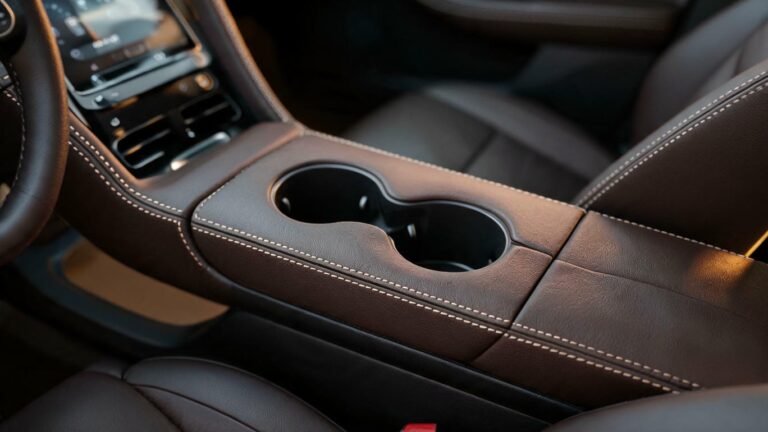
An EV cabin is not the same environment as a gasoline vehicle cabin. It is quieter, which makes material buzz and rattle more noticeable. It carries 35 to 40% more soft-touch surface area because the dashboard and door panels become digital interaction zones. And it is subject to the tightest VOC, fogging, and flammability mandates in automotive history. For specifiers selecting vehicle leather in 2026, the material is not just a finish—it is a compliance document. Here are the four test categories that separate a material that ships from one that gets rejected at OEM validation.
Vehicle Leather VOC Limits: Why 2026 Changed the Rules
Two regulatory shifts landed in January 2026. The US EPA Tier 3 VOC emission limits took full effect, and China’s MIIT Green Manufacturing Guidelines began mandating leather VOC emissions below 50 μg/m³ after 7-day aging with 5% antifreeze vapor—stricter than current EU limits. The EU End-of-Life Vehicle directive adds a separate layer: 25% recycled content threshold by 2030, which pushes OEMs toward materials with traceable, stable chemical profiles.
Vehicle leather VOC emission standards in 2026 are not a single number. They are a matrix of region-specific requirements. A “global compliance” certificate does not exist. You need region-specific test reports, each referencing the correct local standard. Silicone leather emits zero VOCs because it contains no solvents, no plasticizers, and no volatile additives—its polymer backbone is inherently non-volatile. PU leather typically emits formaldehyde and toluene residues from the coating process. PVC releases plasticizer volatiles that contribute to the “new car smell” that OEMs are now under pressure to eliminate.

Automotive validation requires a full physical testing panel—VOC, fogging, flammability, and abrasion—before a material enters the cabin.
Fogging and Odor: The Cabin Air Quality Specs Nobody Talks About
Fogging is the condensation of volatile compounds from interior materials onto the windshield and glass surfaces. It is measured by weight method (mg) or reflectance method (%). The Chinese standard T/ZZB 1277-2019 sets the fogging value ceiling at 3.5 mg. German OEMs like Volkswagen and BMW apply internal limits as low as 2 mg. When automotive interior leather fogging and flame retardant specs are evaluated together, fogging is often the silent eliminator—materials that pass flammability still fail fogging because the flame-retardant additives themselves are volatile.
Odor is rated on a 1 to 6 scale (lower is better). Premium OEMs require ≤3 for occupant-contact surfaces. PU leather, especially when freshly produced, carries solvent and amine odors that require weeks of ventilation before meeting cabin odor thresholds. Silicone leather is inherently odorless—it contains no organic solvents or amine catalysts. In our experience supplying automotive interior programs, silicone rolls pass odor testing on day one, no aging required.

Water-cooled coating lines control thermal output during production—critical for maintaining the low-VOC profile required by 2026 automotive standards.
Flame Retardancy: FMVSS 302, UN R118, and What Actually Passes
Every material inside a passenger vehicle cabin sold in the United States must meet FMVSS 302, which measures horizontal burn rate. The EU requires equivalent conformity under UN Regulation No. 118. China applies GB 8410. The pass threshold: maximum flame spread of 100 mm/min (FMVSS 302) or ≤50 mm/min (stricter OEM and Chinese standards). Most materials pass with chemical flame-retardant additives. The question is what those additives cost you in VOC and fogging performance.
Silicone leather is inherently flame retardant. Its molecular structure is built on a silica-oxygen backbone—the same chemistry used in fire-resistant glass and ceramics. It passes FMVSS 302, GB 8410, and EN 45545-2 (railway, HL1-HL3) without any added flame-retardant chemicals. That means zero trade-off between fire safety and cabin air quality. PU and PVC material comparisons consistently show the opposite: the additives that make them pass flammability are the same compounds that make them fail fogging and VOC.

Direct flame testing: silicone leather self-extinguishes without added retardants—unlike PU and PVC, which require chemical additives to meet the same threshold.
Silicone vs PU Vehicle Leather: The Material That Clears All Tests
When you line up the test results side by side, the compliance picture becomes stark. The EV interior leather landscape is narrowing—materials that pass VOC but fail fogging, or pass flammability with additives that raise VOC, are no longer viable for Tier-1 supply. Here is how the three material families compare on the four tests that matter:
| Test Standard | What It Measures | Silicone | PU | PVC |
|---|---|---|---|---|
| FMVSS 302 | Horizontal burn rate | Pass (inherent) | Pass (with additives) | Pass (with additives) |
| Fogging (weight) | Volatile condensation | ≤1.5 mg | 3–7 mg | 5–12 mg |
| VOC Emission | Cabin air quality | Zero | Formaldehyde, toluene | Plasticizer volatiles |
| Odor Rating | 1–6 scale (lower better) | ≤2 | 3–4 (aging required) | 4–5 |
| Temp Stability | Cabin thermal cycling | −40°C to 250°C | −20°C to 60°C | −15°C to 70°C |
The trade-off trap is real. When PU or PVC leather passes flammability through chemical additives, those additives increase fogging values and VOC emissions. Silicone leather breaks the trade-off: inherent flame resistance plus zero volatility. No other material family currently achieves both simultaneously.

In a modern EV cabin, every visible soft-touch surface is a compliance surface—VOC, fogging, and flammability apply to all of them.
See how TOPSUN silicone leather passes FMVSS 302, GB 8410, and EN 45545-2 without flame-retardant additives—and the certification process behind it.
One of our Tier-1 automotive clients evaluated three materials for a door panel trim program: PVC with flame-retardant backing, water-based PU, and silicone leather. The PVC passed flammability but fogged at 8.2 mg—well above the OEM’s 3 mg internal limit. The PU met fogging after a 14-day aging period but added a formaldehyde emission flag. The silicone passed all four categories on day one. The full vs semi-silicone specification determined the final selection—full silicone for occupant-contact surfaces, semi-silicone for non-contact structural backing. Both passed without trade-offs.
That is the automotive-grade leather standard in practice: not a single certificate, but a complete compliance matrix where every test reinforces the next rather than undermining it. The NHTSA and EPA do not care about your material’s marketing—they care about the test numbers.
Frequently Asked Questions
What is the FMVSS 302 test for vehicle leather?
FMVSS 302 is the US Federal Motor Vehicle Safety Standard for interior material flammability. It measures the horizontal burn rate of materials used in vehicle cabins. The maximum allowable flame spread is 100 mm per minute. Every material within 13 mm of the occupant compartment interior surface must pass. Silicone leather passes inherently—no flame-retardant additives needed—while PU and PVC typically require chemical treatments to meet the threshold.
Can PU vehicle leather meet 2026 EPA VOC limits?
Some water-based PU formulations can meet the VOC thresholds, but they typically require 14 to 28 days of ventilation aging before passing. The formaldehyde and toluene residues from the coating process off-gas over time. Silicone leather requires zero aging—it passes on day one because its polymer structure contains no volatile compounds. For just-in-time automotive supply chains, that aging requirement creates inventory and warehousing costs that are rarely accounted for in unit price comparisons.
The Compliance Matrix, Not the Spec Sheet
Selecting vehicle leather in 2026 means selecting a material that clears four test categories simultaneously: VOC, fogging, odor, and flammability. The materials that pass through additive chemistry create a trade-off trap—improving one test degrades another. Silicone leather is the only material family that passes all four through inherent molecular properties, with no additives, no aging, and no trade-offs. For specifiers who need to sign off on a cabin material program, that is the data point that matters.
About TOPSUN
TOPSUN engineers silicone vehicle leather for EV cabin interiors, door panel trim, and steering wheel wraps—passing FMVSS 302, GB 8410, and EN 45545-2 without flame-retardant additives.
Our automotive-grade rolls ship with third-party fogging data (≤3 mg), VOC emission reports, and ISO 10993 biocompatibility certification for occupant-contact surfaces—so your PPAP documentation is complete before validation begins.