A D2C leather accessories brand approached us last year with a problem: their PU duffel bags were cracking at month 14, and return rates had climbed to 8%. They’d optimized everything — factory costs, shipping routes, even packaging. The one thing they hadn’t questioned was the material itself. For direct to consumer leather brands, that’s the spec that determines whether margins hold or collapse. Here’s the sourcing checklist we wish every D2C founder had before signing their first production run.
The Hidden Costs in Direct to Consumer Leather Supply Chains
Most D2C founders assume their biggest cost is manufacturing. It’s not. It’s the layers between them and the material source. A typical direct to consumer leather supply chain runs like this: raw material producer → coating factory → trading company → brand’s contract manufacturer → brand. Each layer adds 8-12% markup before the brand even sees the material.
By the time a D2C brand receives a quote of $14/yd for PU leather, the actual factory gate price was $7-8. The brand isn’t paying for better material — they’re paying for intermediaries who add zero product value. That’s why the 2026 leather supply chain conversation has shifted toward factory-direct sourcing.

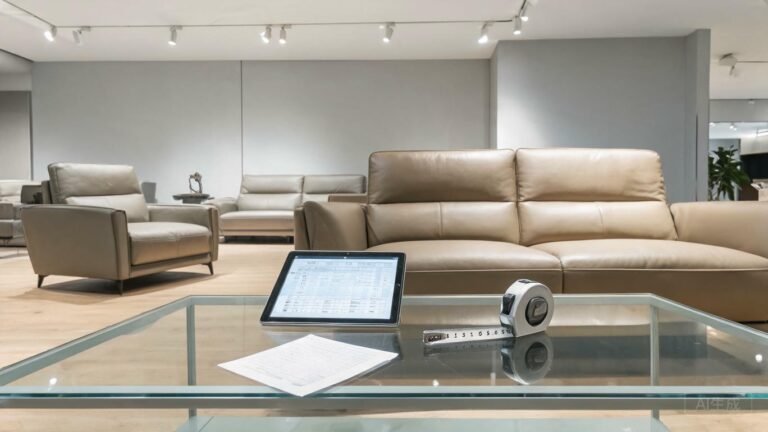
Factory-direct production eliminates intermediary markups — the first step in protecting D2C margins
In our experience auditing D2C supply chains, brands that source factory-direct save 25-35% on material costs — and gain real-time quality visibility that trading companies simply can’t provide.
Why Direct to Consumer Leather Brands Source the Wrong Material
Here’s the pattern we see repeatedly: a D2C brand finds a factory, negotiates a great unit price on PU leather, launches the product, and then watches return rates climb at month 12-18. The bags crack. The wallets peel. The phone cases flake at the edges. The brand assumed “leather” was a commodity spec — one PU leather is the same as another. It’s not.
The problem is that D2C brands typically evaluate material on unit price and aesthetic — two variables that look great at launch and terrible at month 14. What they should be evaluating is lifecycle performance: How does this material age under daily use? What happens at month 6, 12, 24? Will customers return the product — or review it five stars?

Material choice at the sourcing stage determines product lifecycle — not factory price negotiation
In that D2C duffel bag case we mentioned, the brand switched to silicone leather after their PU failure. Same factory, same production line, different material. Return rates dropped from 8% to under 1% within six months. The material cost per yard was higher — but the factory production efficiency and dramatically lower return rate more than offset the difference.
Factory-Direct Silicone Leather: One Material, Five Performance Wins
When D2C brands ask about factory direct leather sourcing, they’re usually thinking about cutting costs. But the bigger opportunity is cutting through to a material that gives them a product story. Silicone leather delivers both.
Five properties come built into the material — no aftermarket treatments, no added cost line items:
- UV stability: ASTM D329 tested to 1,500 hours — no fading on display shelves or in shipping windows
- Stain resistance: Oil pens, coffee, lipstick — all wipe clean with soap and water. No special care instructions for customers.
- Abrasion durability: Martindale rated to 150,000 cycles. A phone case or bag takes years to show wear.
- Thermal stability: Stable from -40°C to 200°C. No cracking in cold shipping or hot warehouse storage.
- Safety compliance: RoHS 2.0 and REACH SVHC compliant — zero VOCs, no plasticizers, no heavy metals.

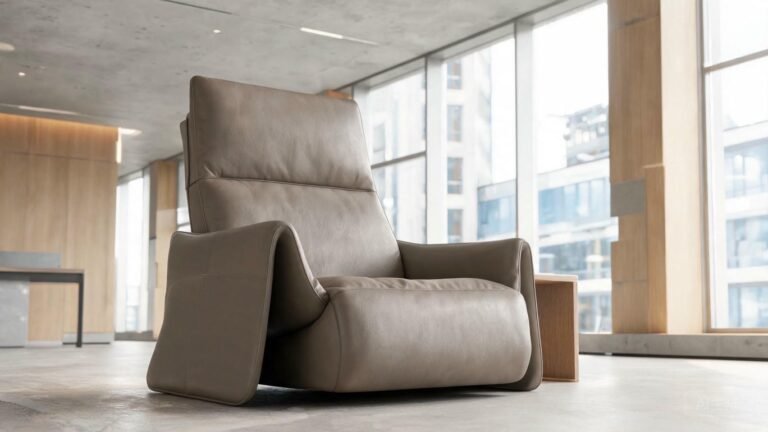
Custom color matching lets D2C brands build a distinctive material identity — not just another PU product
For a D2C brand, that’s not just a spec sheet — it’s a marketing narrative. “Vegan, durable, non-toxic, and wipe-clean” sells. “PU leather, same as everyone else” doesn’t.
See how factory-direct OEM/ODM customization works — from spec to sample to production
5 Sourcing Specs Every D2C Brand Must Verify
Before you commit to a direct to consumer leather goods manufacturer, verify these five specs. If your supplier can’t answer all five with documented test data, walk away.
| Sourcing Path | Middleman Tiers | Markup Added | Lead Time | QC Visibility |
|---|---|---|---|---|
| Traditional wholesale | 3-4 tiers | 25-35% | 8-12 weeks | None |
| Trading company | 2-3 tiers | 15-25% | 6-8 weeks | Limited |
| Factory-direct | 0 tiers | 0% | 3-5 weeks | Full |
Supply chain tier comparison based on typical D2C leather goods sourcing scenarios.
Now, the five specs to verify:
- Abrasion certification: Ask for Martindale or Taber test data. If they can’t produce it, the material hasn’t been tested — and you’re guessing at durability.
- VOC and chemical compliance: Demand REACH SVHC and RoHS documentation. “It’s safe” isn’t documentation. “Here’s the test report” is.
- UV stability data: Request ASTM D329 or equivalent UV aging results. D2C products sit in display windows and shipping containers — UV fade kills brand perception fast.
- Sample turnaround time: A direct factory should deliver custom samples in 5-7 days. If it takes 3 weeks, you’re dealing with a middleman.
- Batch-to-batch consistency: Ask how they handle color matching across production runs. Inconsistent batches mean inconsistent products — and inconsistent reviews.
For D2C brands evaluating silicone leather suppliers, these five specs separate factory-direct partners from trading companies pretending to be factories.
Frequently Asked Questions
What MOQ should D2C brands expect from a direct to consumer leather manufacturer?
Factory-direct silicone leather suppliers typically start at 500-1,000 yards for custom colors and textures. Standard colors may have lower MOQs. This is significantly more accessible than traditional leather suppliers who often require 3,000+ yard minimums. For D2C brands launching their first collection, ask about stock color programs that allow smaller initial orders.
Can silicone leather be custom-colored and textured for D2C brand differentiation?
Yes — and this is where factory-direct sourcing gives D2C brands a real edge. Silicone leather can be custom-matched to any Pantone color and embossed with custom textures, from smooth to pebbled to lychee grain. Because you’re working directly with the production factory, you can develop a signature material identity that competitors using off-the-shelf PU can’t replicate.
Material Is the Margin
D2C brands that win don’t just negotiate harder on factory prices. They choose a material that performs better, tells a better story, and costs less over the product lifecycle. Direct to consumer leather sourcing isn’t about finding the cheapest factory — it’s about finding the factory that gives you a material your customers won’t return.
Silicone leather checks every box: factory-direct supply chain, built-in performance, custom brand identity, and compliance documentation ready for any market. That’s how D2C leather brands build margins that last beyond the launch hype.
Talk to Our Material Engineers
About TOPSUN
TOPSUN supplies factory-direct silicone synthetic leather to D2C brands seeking material-level differentiation across fashion accessories, tech cases, and lifestyle products.
Full OEM/ODM customization across color, texture, and thickness; 5-day sample turnaround; REACH SVHC and RoHS 2.0 compliant — giving D2C brands a transparent, story-worthy supply chain from factory to consumer.