When a procurement manager we know replaced 400 hotel lobby chairs after just 18 months because the PU upholstery cracked and peeled, the project’s upholstery budget effectively doubled. The per-yard price looked great on the purchase order. The five-year cost told a different story.
If you’re responsible for sourcing materials to supply upholstery across furniture lines, hospitality projects, or automotive interiors, this scenario is probably familiar. The upholstery supply chain is full of suppliers quoting attractive per-meter prices while quietly omitting the specifications that determine how long the material actually lasts. This guide walks through seven technical specifications that separate a reliable upholstery supply partner from one that will cost you in replacement cycles — and shows why one material consistently outperforms the rest in total cost of ownership.
Request Free Upholstery Samples
Why Per-Yard Price Misleads Upholstery Buyers
Most procurement teams evaluate upholstery supply based on unit price, lead time, and MOQ. Those matter — but they’re table stakes. The real cost driver is replacement frequency. A material that costs 30% less per yard but needs replacing every two years will cost more over five years than a premium alternative that lasts the full period.
We’ve seen this play out repeatedly in commercial furniture projects. A hospitality group sourcing PU leather for 600 restaurant booths saved $2 per yard on material — then spent $45,000 replacing cracked and peeling seats within 14 months. The Martindale abrasion rating on that PU leather? Unverified. No third-party test data was provided because the supplier didn’t have it. For a structured approach to avoiding these pitfalls, this upholstery leather wholesale sourcing guide covers supplier audit frameworks in more detail.
Here’s the core issue: most upholstery suppliers don’t voluntarily share durability test results unless you ask specifically. And if you don’t know which tests to request, you’re buying blind.

Martindale abrasion testing verifies the cycle count that determines real-world upholstery lifespan.
7 Specifications That Define a Reliable Supply Upholstery Partner
When evaluating an upholstery supply partner, these seven specifications separate materials that perform from those that fail prematurely:
- Martindale Abrasion Resistance — Commercial-grade upholstery needs 40,000+ cycles minimum. Premium silicone leather tests at 200,000+ cycles. Always request the actual test report, not a marketing claim. For technical parameter details, see this upholstery leather material technical guide.
- UV and Color Fastness — Materials that fade in six months undermine brand consistency. Look for ISO 105-B02 grade 5+ (no visible change). Silicone maintains color stability even after prolonged UV exposure.
- VOC Emissions — EU E1 and similar standards are tightening in 2026. Silicone leather is inherently zero-VOC; PU and PVC often require plasticizers that off-gas over time. Eco-friendly silicone leather eliminates this risk entirely.
- Hydrolysis Resistance — In humid environments, PU leather degrades through hydrolysis within 2–3 years. Silicone’s molecular structure is inherently hydrolysis-resistant, as detailed in our hydrolysis resistance analysis.
- Cleanability and Stain Resistance — Hospitality and healthcare upholstery faces daily spills. Silicone leather cleans with soap and water — no special solvents required.
- Temperature Range — Materials that crack in cold storage or deform in heat limit application range. Silicone performs reliably from -40°C to 250°C.
- Certification Depth — ISO 10993 (biocompatibility), REACH, and FDA compliance signal a supplier who invests in third-party validation. Paper certificates without QR verification are increasingly unreliable in 2026.

A transparent production process flow chart helps buyers verify every stage of upholstery manufacturing.
Silicone vs PU vs PVC: Which Upholstery Supply Lasts?
The three dominant upholstery materials each tell a very different five-year story. Understanding the silicone vs PU comparison at a molecular level helps explain why performance gaps are so dramatic:
| Property | Silicone Leather | PU Leather | PVC Leather |
|---|---|---|---|
| Martindale Cycles | 200,000+ | 25,000–50,000 | 15,000–30,000 |
| Service Life | 10–15 years | 2–5 years | 1–3 years |
| VOC Emission | Zero | Low–moderate | Moderate–high |
| 5-Year Replacements | 0 | 1–2 | 2–3 |
| Hydrolysis Resistance | Excellent | Poor | Fair |
Over a 5-year period, a silicone leather upholstery supply eliminates 1–2 full replacement cycles — saving 40–60% in material, labor, and downtime costs compared to PU.
One of our clients, a commercial furniture manufacturer, switched from PU to silicone leather for their executive chair line. Within the first year, warranty claims dropped by 80% — not because the material was cheaper, but because it stopped failing. For broader context on furniture and sofa applications, silicone leather’s 10–15 year service life aligns with commercial warranty expectations that PU simply cannot meet.

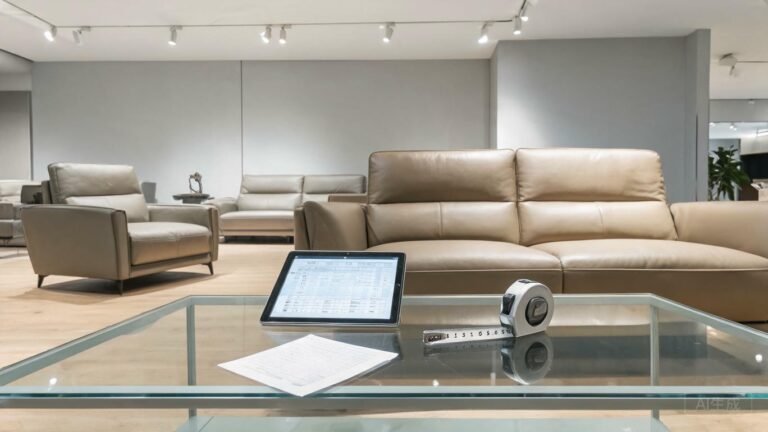
Commercial sofa upholstery must withstand daily wear that disqualifies materials rated below 40,000 Martindale cycles.
Watch how silicone leather outperforms PU and PVC in head-to-head durability testing.
Vetting Your Upholstery Supplier: Red Flags in 2026
The upholstery supply landscape has shifted. Here’s what to watch for when auditing a potential supplier:
- Paper certificates without digital verification — China’s 2025 certification anti-fraud system mandates scannable QR seals. Reject certificates that can’t be validated through ISO or the issuing lab’s portal.
- No live production footage — If a supplier can’t show unscripted video of their coating line, quality control lab, or testing equipment, their production capability is questionable.
- Vague durability claims without test reports — “High durability” means nothing without a Martindale, Taber, or Wyzenbeek test number attached to a recognized standard.
- Missing MOQ flexibility — A supplier locked into a single MOQ tier may not have the production flexibility to scale with your growth.
- No reference projects — Ask for comparable B2B case studies. A supplier serving only retail markets may not understand commercial-grade requirements.

Tensile strength testing ensures upholstery material won’t tear under real-world seating loads.
Frequently Asked Questions
What MOQ should I expect from a silicone leather upholstery supplier?
TOPSUN offers OEM/ODM color matching from a 500-meter MOQ, with stock colors available in lower minimums. Custom texture development typically requires 1,000+ meters depending on pattern complexity. This flexibility allows furniture manufacturers to pilot new lines without overcommitting on material inventory.
Can silicone leather upholstery match specific brand colors?
Yes. Silicone leather accepts pigment uniformly, and TOPSUN’s custom color matching achieves Delta E ≤ 1.5 against Pantone or physical swatches. Over 200 stock colors are also available for immediate sampling, ensuring brand consistency across product lines.
The Bottom Line on Upholstery Supply
The upholstery supply decision is not about finding the cheapest per-yard price — it’s about finding the material and partner that minimizes total cost over the product’s actual lifecycle. When you supply upholstery with the right specifications — verified Martindale data, hydrolysis resistance, zero-VOC compliance, and legitimate certifications — you’re not just buying material. You’re buying years of trouble-free performance that protects your brand reputation and your bottom line.
About TOPSUN
TOPSUN supplies upholstery-grade silicone leather for furniture manufacturers, hospitality groups, and automotive OEMs across 30+ countries, with custom color matching, texture development, and OEM/ODM production from a 500-meter MOQ.
Our silicone leather passes ISO 10993 biocompatibility testing, achieves 200,000+ Martindale abrasion cycles, and carries REACH, FDA, and PAHs compliance — with SGS-verified test reports available for every specification.