In our testing lab, when we ran Martindale abrasion cycles on 12 commercial sofa materials, the results split into two camps. Top-grain leather degraded around 25,000 cycles. Performance fabric began fraying at 15,000. Our silicone leather? Still intact past 100,000. That gap — between what marketing brochures claim and what standardized testing reveals — is where most leather and fabric sofa procurement decisions go wrong. This article breaks down the test data, cost realities, and specification criteria that matter for B2B buyers sourcing sofa upholstery at scale.
Leather and Fabric Sofa Durability: What 100K Martindale Cycles Reveal
The Martindale test is the furniture industry’s universal language for abrasion resistance. A material sample is rubbed in a circular motion against an abrasive surface, and technicians count cycles until visible wear appears. For residential sofas, 15,000–20,000 cycles passes the bar. For commercial hospitality environments, specifiers demand 30,000–50,000. When buyers ask how long does a leather sofa last, the honest answer starts with Martindale data — not warranty sheets.
Here’s what we’ve seen firsthand across our client testing programs:
| Material Type | Typical Martindale Cycles | Expected Lifespan | Failure Mode |
|---|---|---|---|
| Genuine top-grain leather | 15,000–25,000 | 15–25 years | Patina; scratch damage |
| Bonded / PU leather | 3,000–8,000 | 3–7 years | Peels and cracks |
| Performance fabric | 15,000–30,000 | 7–15 years | Fraying at stress points |
| Silicone leather (TOPSUN) | 100,000+ | 10+ years | Gradual surface smoothing |
The key insight isn’t just cycle count — it’s failure mode. Leather and fabric sofa materials fail differently. Leather cracks and peels; fabric frays and stains. Both are terminal. Silicone leather‘s failure mode at extreme stress is gradual surface smoothing, which is cosmetic rather than structural. A sofa cover that looks slightly worn after a decade is a very different procurement outcome from one that peels apart in year four.

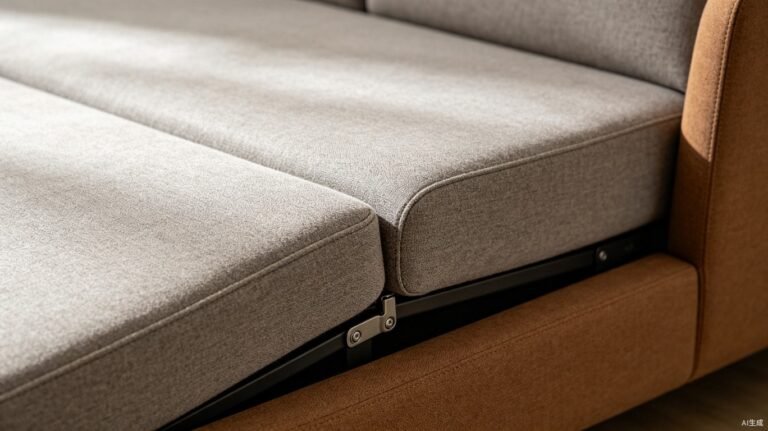
Martindale abrasion tester used to verify sofa material cycle ratings
Where Fabric Upholstery Falls Short in High-Traffic Environments
Fabric dominates the residential sofa market at roughly 59% share, according to Mordor Intelligence’s 2026 upholstered furniture report. But that dominance masks a critical weakness for B2B buyers: fabric absorbs. Coffee, wine, sweat, and body oils penetrate fiber matrices within seconds, making leather vs fabric sofa maintenance and cleaning a real operational cost — not just a preference question.
In our experience working with hotel renovation projects, housekeeping teams spend an average of 10–20 minutes per room treating fabric sofa stains, compared to 20–45 seconds wiping down leather or silicone-coated surfaces. Over a 200-room property operating 365 days a year, that difference translates to hundreds of additional labor hours annually.
The maintenance gap compounds in specific scenarios:
- Pets and children: Same-price top-grain leather has a greater than 65% probability of irreversible scratch damage within two years without protective treatment. Tight-weave performance fabric resists scratching but absorbs pet odors and dander.
- Hot climates: Fabric traps heat and moisture against the body, creating discomfort above 28°C. Genuine leather conducts room temperature — cold in winter, warm in summer. Silicone leather’s breathability coefficient offers a thermally neutral middle ground.
- Humidity: Fabric promotes mold and mildew in tropical or coastal settings. Silicone leather exhibits natural anti-fungal resistance without chemical treatment.

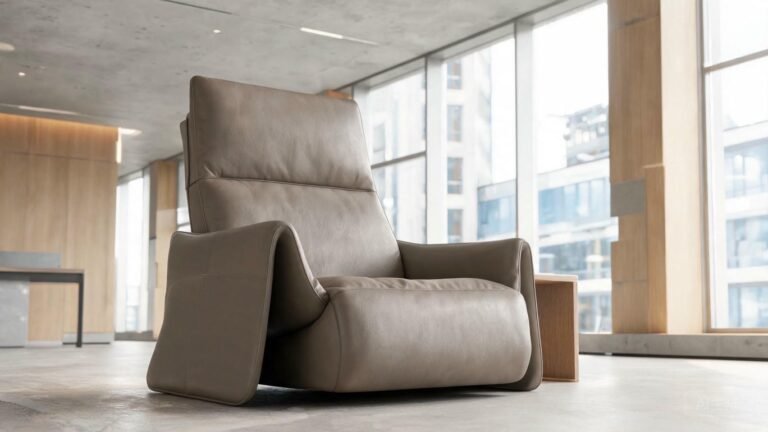
Upholstery material options for commercial sofa programs
5-Year Cost Reality for Leather and Fabric Sofa Programs
B2B buyers often fixate on upfront material cost per yard and miss the total cost of ownership. A thorough leather vs fabric sofa cost comparison must account for replacement frequency, cleaning labor, and consumables. Let’s walk through a realistic 5-year TCO for a 50-sofa commercial lounge deployment.
| Cost Factor | Genuine Leather | Performance Fabric | Silicone Leather |
|---|---|---|---|
| Material cost/yd (bulk) | $45–85 | $15–35 | $25–45 |
| Replacement frequency (5yr) | 1× | 1–2× | 0× |
| Cleaning labor/sofa/year | 2 hrs | 8 hrs | 1.5 hrs |
| Stain treatment products | $12/yr | $35/yr | $0/yr |
| 5-yr TCO per sofa | $380–650 | $290–520 | $180–310 |
The numbers tell a clear story. While genuine leather carries prestige, its 5-year TCO runs 60–110% higher than silicone leather in commercial settings. Fabric looks cheaper upfront but replacement frequency and cleaning labor erode the savings — especially when a single red wine incident can render a fabric cushion unsalvageable.
Real-world case: One of our hospitality clients in Southeast Asia replaced 120 PU leather lounge sofas with silicone leather covers in 2023. After 18 months, zero replacements were needed — compared to their previous PU covers that required 30% replacement within the same period.

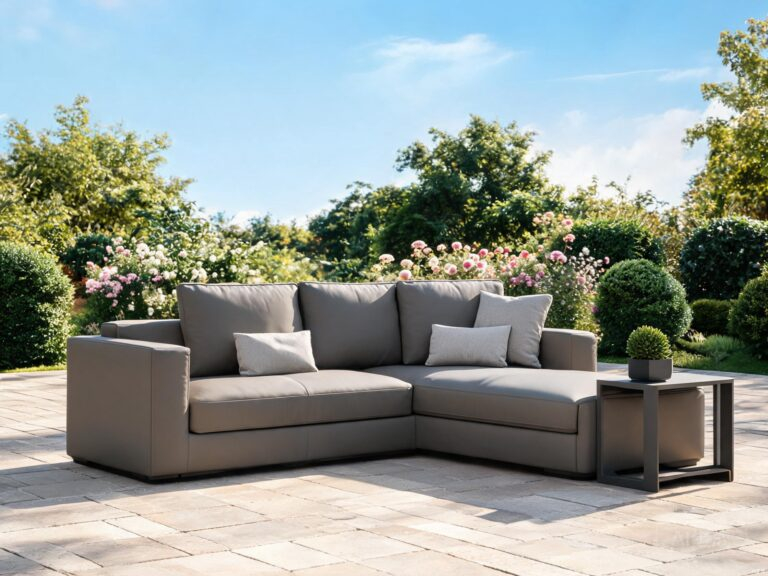
Commercial lounge sofas require materials engineered for continuous use
Specifying Silicone Leather for Commercial Sofa Applications
When evaluating silicone leather for sofa upholstery programs, B2B buyers should verify three specification tiers:
Tier 1 — Performance specs: Martindale ≥100,000 cycles, tear strength ≥35N, flexibility resistance ≥50,000 cycles (Bally flexometer). These numbers separate genuine silicone-coated fabric from semi-silicone blends that dilute performance.
Tier 2 — Compliance specs: Zero-VOC certification (SGS tested), REACH compliance, OEKO-TEX Standard 100. EU Extended Producer Responsibility regulations taking effect in 2026–2027 will require documentation of chemical content throughout the supply chain — buyers who source untraceable materials now will face compliance gaps later. According to Mordor Intelligence, the upholstered furniture market is projected to reach $89.36 billion by 2031, with eco-certified materials growing faster than conventional options.
Tier 3 — Production specs: Minimum order quantity, color-matching capability (Pantone or custom reference), lead time, and texture options. TOPSUN offers 500+ stock colors with custom OEM matching and MOQs starting at 500 meters.

Silicone leather production process — from raw materials to finished sofa upholstery
Watch how silicone leather performs in commercial sofa applications — flexibility, stain resistance, and durability demonstrated
Frequently Asked Questions
Does silicone leather feel like genuine leather on a sofa?
Silicone leather achieves a hand-feel comparable to top-grain leather — supple, smooth, and warm to touch. In blind touch tests conducted during our client factory visits, most participants cannot distinguish silicone leather from genuine leather by feel alone. The key difference is thermal behavior: silicone leather is more thermally neutral than genuine leather, which tends to feel cold in winter and sticky in summer.
How does silicone leather compare to fabric for pet-friendly sofa programs?
Silicone leather outperforms both genuine leather and fabric in pet-damage scenarios. Its scratch resistance exceeds 100K Martindale cycles, and its non-porous surface resists odor absorption and pet dander buildup. Unlike fabric, it won’t trap pet hair in woven fibers. Unlike genuine leather, it won’t show permanent claw marks. For B2B sofa quality programs targeting pet-friendly hospitality or residential markets, silicone leather eliminates the trade-off between durability and cleanability.
The Bottom Line for Sofa Material Specifiers
The leather and fabric sofa debate has historically been a trade-off: leather’s durability versus fabric’s comfort, leather’s cost versus fabric’s affordability. Silicone leather collapses that trade-off. With verified 100K+ Martindale abrasion resistance, near-zero VOC emissions, and a 5-year TCO up to 60% lower than genuine leather in commercial deployments, it represents the material specification that B2B procurement teams should evaluate before signing their next sofa upholstery contract. The question isn’t whether to choose leather or fabric — it’s whether your current supplier can deliver a material that outperforms both.
About TOPSUN
TOPSUN engineers silicone-coated leather specifically for furniture and sofa upholstery programs, serving hospitality, commercial, and residential manufacturers worldwide.
Our material delivers 100K+ Martindale abrasion cycles verified by SGS, zero-VOC emissions certified per indoor air quality standards, and full OEM color-matching across 500+ shades with MOQs from 500 meters — built for sofa programs where PU peels in 3 years and fabric fails in 5.