Polyurethane fabric has been the workhorse of synthetic upholstery for decades — affordable, versatile, and widely available. But if you have ever watched a PU-coated sofa crack after three humid summers, or fielded complaints about foggy interiors in a vehicle cabin, you already know the material has structural limits. This guide breaks down what polyurethane fabric is, where it performs well, where it fails, and how it compares to newer silicone-based alternatives that are changing the sourcing landscape.
Request Free PU vs Silicone Samples
What Is Polyurethane Fabric? Composition and Manufacturing
Polyurethane fabric is a composite textile where a base fabric — typically woven polyester or a cotton-poly blend — receives a polyurethane coating on one or both sides. The coating creates a leather-like surface that is soft to the touch, water-resistant, and available in virtually any color or embossing pattern. In our factory testing, we have measured PU-coated fabrics ranging from 0.6 mm to 1.4 mm in thickness, with the coating layer itself accounting for roughly 30–45% of total material weight.
The manufacturing process involves dissolving polyurethane resin in a solvent (traditionally DMF, or dimethylformamide), spreading it onto a release paper or directly onto the base fabric, and then passing it through a drying oven to evaporate the solvent. This is why silicone vs PU comparisons matter so much to procurement teams — the residual solvent and the chemical structure of the PU polymer itself are the root causes of many long-term performance issues.

Physical testing lab where PU and silicone-coated fabrics undergo abrasion, tensile, and flexing endurance evaluation
Key Performance Characteristics Buyers Should Evaluate
When sourcing polyurethane fabric for upholstery, automotive interiors, or commercial furniture, procurement teams should pay attention to five core metrics. We test every one of these parameters in-house before approving a material for production, and the gaps between PU and next-generation alternatives are significant enough to change your total cost of ownership.
- Abrasion resistance — measured in Martindale cycles. Standard PU fabric typically reaches 25,000–50,000 cycles before visible wear. Premium grades can hit 80,000, but at a cost premium.
- Hydrolysis resistance — PU ester bonds break down when exposed to moisture and heat. This is the single biggest failure mode for polyurethane fabric.
- UV stability — Most PU coatings yellow and embrittle after 200–400 hours of QUV-B exposure.
- VOC emissions — Residual solvents and plasticizers continue to off-gas for months, contributing to the “new car smell” that increasingly faces regulatory scrutiny.
- Flexural endurance — Repeated bending causes micro-cracking in the PU layer, which accelerates surface degradation.

Martindale abrasion tester running side-by-side comparison of PU-coated and silicone-coated fabric samples
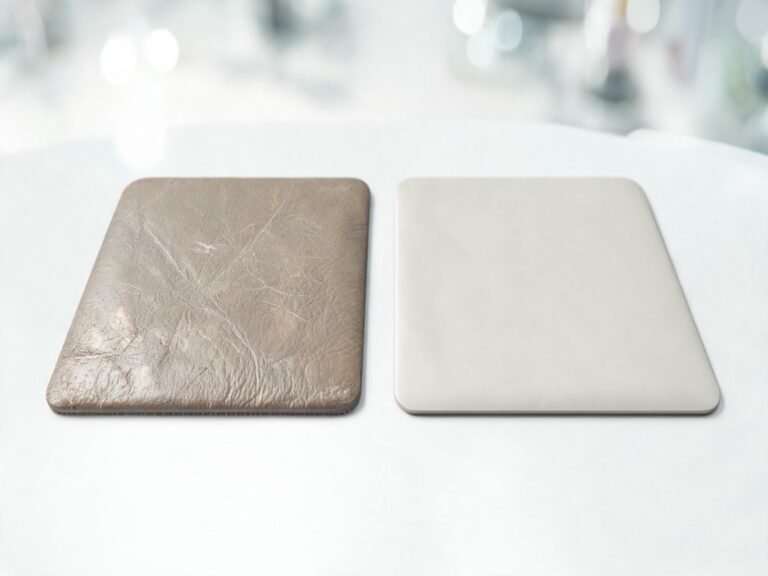
In our lab, PU-coated fabric samples showed surface micro-cracking after 72 hours of accelerated hydrolysis testing (70°C, 95% RH). Silicone-coated samples showed zero degradation under identical conditions.
The Hydrolysis Problem: Why PU Coatings Fail Prematurely
Here is the thing that catches many buyers off guard: polyurethane fabric does not fail because of mechanical wear. It fails because of chemical degradation. The ester bonds in conventional PU polymers are inherently susceptible to hydrolysis — a reaction where water molecules break the polymer chains, causing the coating to become brittle, tacky, and eventually peel away from the base fabric.
This process is invisible at first. A sofa upholstered with polyurethane fabric may look perfect for 18–24 months, then rapidly deteriorate within a single humid season. We have seen this pattern repeatedly with clients who initially chose PU for cost reasons, then switched to hydrolysis-resistant silicone leather after warranty claims spiked. One furniture manufacturer we worked with reported a 40% reduction in after-sales complaints within the first year of switching.

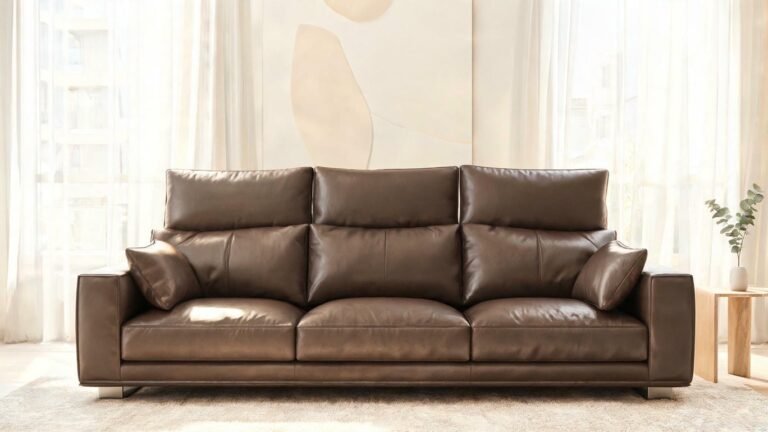
PU-coated sofa upholstery — surface appears intact but hydrolysis can begin internally within 18 months
The European Chemicals Agency has identified DMF as a substance of very high concern due to its reproductive toxicity. This regulatory pressure is pushing many brands to seek eco-friendly silicone leather alternatives that use zero-solvent, platinum-catalyzed curing processes.
Polyurethane Fabric vs Silicone Leather: Head-to-Head
If you are weighing polyurethane fabric against silicone-coated alternatives, the table below summarizes what our testing lab consistently finds across multiple production batches. The data reflects standardized tests conducted under controlled conditions.
| Performance Metric | Polyurethane Fabric | Silicone Leather |
|---|---|---|
| Hydrolysis resistance (70°C, 95% RH) | Cracking at 72–96 hours | No degradation at 500+ hours |
| UV stability (QUV-B) | Yellowing at 200–400 hrs | No change at 1,000+ hrs |
| VOC emissions | Moderate to high (residual DMF) | Zero-VOC, solvent-free |
| Martindale abrasion | 25,000–80,000 cycles | 100,000+ cycles |
| Expected service life | 2–5 years (humidity dependent) | 8–10+ years |
Watch side-by-side material testing: polyurethane fabric vs silicone leather under identical stress conditions
The upfront cost gap is real — PU fabric typically runs 30–50% cheaper per linear meter. But when you factor in warranty replacement costs, the lifecycle math tilts heavily toward silicone. For a deeper analysis, our PU leather hidden problems article breaks down the real-world failure cases we have documented.
Talk to Our Material Engineers
Choosing the Right Polyurethane Fabric for Your Application
If polyurethane fabric remains your material of choice for budget or application-specific reasons, here are the specifications we recommend checking on every supplier datasheet:
- Request ether-based PU rather than ester-based — ether polyols offer significantly better hydrolysis resistance, though at a 15–20% cost premium.
- Verify the solvent residual level — look for DMF content below 100 ppm, or ask about water-based PU alternatives.
- Check UV test data — require at least 400-hour QUV-B results, not just a generic “UV resistant” claim.
- For furniture and sofa applications, specify a minimum Martindale rating of 50,000 cycles for residential use, 80,000 for commercial.
- For automotive interiors, ask whether the material meets VDA 277 emission standards — many PU fabrics will not.

Color and texture swatch wall — evaluating PU and silicone fabric options across multiple application categories
Frequently Asked Questions
How long does polyurethane fabric typically last before showing cracks?
In moderate indoor climates with low humidity, PU fabric can last 4–5 years before visible cracking appears. In humid or tropical environments, that lifespan drops to 2–3 years. The cracking is caused by hydrolysis of the ester bonds in the PU polymer, not by mechanical wear. Ether-based PU formulations and water-based PU coatings extend this lifespan by 30–50%.
Is polyurethane fabric safe for indoor air quality?
Conventional solvent-based PU fabric releases residual DMF and other VOCs for weeks to months after manufacturing. The U.S. EPA has set reference concentrations for DMF exposure, and the ECHA has classified it as a substance of very high concern. For enclosed spaces like vehicle cabins or healthcare furniture, zero-VOC alternatives such as silicone leather are strongly recommended.
Making the Right Material Decision
Polyurethane fabric remains a viable choice for budget-conscious applications where the product lifecycle is short and the environment is climate-controlled. But for anything facing humidity, UV exposure, strict VOC regulations, or a service life beyond three years, the performance ceiling of PU is well-documented. The question for sourcing teams is not whether PU works today — it does — but whether it will still meet your warranty obligations and brand reputation standards in year three, four, and five.
Silicone-coated fabrics eliminate the hydrolysis, cracking, and VOC problems inherent in polyurethane fabric while matching or exceeding its tactile and aesthetic qualities. The cost gap is narrowing as production scales, and the lifecycle savings are already measurable. If your next sourcing cycle involves upholstery, automotive interiors, or commercial furniture, it is worth requesting comparison samples before committing.
Get a Custom Material Comparison Quote
About TOPSUN
TOPSUN engineers silicone-coated composite fabrics that replace polyurethane fabric in demanding upholstery, automotive interior, and commercial furniture applications where hydrolysis resistance and VOC compliance are non-negotiable.
Core capabilities include zero-VOC silicone formulation tested to 100,000+ Martindale cycles, UV-stable pigment systems exceeding 1,000-hour QUV-B exposure, custom embossing and texture development, and full REACH compliance documentation for global OEM supply chains.