For procurement teams, yacht salon seating material must satisfy expectations that land-based luxury furniture rarely faces. Guest traffic intensity, interior coordination with wood and metal finishes, and the premium feel of a multi-million dollar vessel all demand a surface that looks impeccable and recovers quickly. The wrong material shows wear after the first charter season, clashes with the design scheme, or demands cleaning protocols the crew cannot sustain. This guide explains how to evaluate yacht interior fabric for these high-expectation environments and where silicone leather can preserve luxury appearance without increasing maintenance burden.
Download Material Specifications
Luxury Aesthetics and High-Traffic Marine Interiors
Salon seating fails differently than casual outdoor furniture because it is a stage for guest experience. Every arrival, cocktail hour, and dinner service subjects the material to abrasion, spills, and close visual inspection. For yacht interior fabric, the buyer should look beyond residential luxury standards and ask how the surface behaves after hundreds of guest contacts, champagne spills, and cleaning cycles while maintaining the flawless appearance expected in a premium vessel.
Accelerated weathering methods such as ASTM G154 UV exposure practice still matter for salons with large windows and skylights, but the more critical tests for interior social spaces are abrasion resistance, stain recovery, and color consistency under mixed LED and natural lighting. These do not replace walk-through inspection, but they help purchasing teams filter out materials that will show wear patterns, permanent staining, or color shift after the first charter season.
Traffic level matters. A private owner salon on a 50-meter yacht, a charter main deck lounge, and a commercial vessel passenger seating area may all be called interior social spaces, but each has different guest turnover, usage intensity, and cleaning-window frequency. Good specifications describe the real traffic load and aesthetic requirement, not only the product name. This prevents selecting a delicate residential leather for a high-turnover charter salon, or over-specifying a heavy commercial grade for a lightly used owner suite.

Abrasion resistance testing — yacht salon seating must withstand years of guest traffic.
Moisture Management for Enclosed Social Spaces
Waterproofing in a salon serves a different purpose than on open decks. A silicone leather surface must block wine, coffee, and condensation while the seating system manages the humidity that builds up during crowded evening gatherings. This is important for boat salon upholstery because trapped moisture from breath, damp clothing, and spilled drinks is the primary reason salon cushions develop odor or foam degradation during peak charter periods.
In our discussions with yacht interior designers and chief stews, the most useful salon specification is practical: a surface that releases food and beverage stains with immediate wiping, color that reads consistently under warm interior lighting and daylight through windows, no plastic-like feel that undermines luxury perception, and seams that hold their shape after repeated guest use. Materials installed near galley passages or bar areas should also carry specific stain-resistance documentation against red wine, coffee, and citrus oils, since these are the most common and visually damaging salon spills.

Waterproof droplet test — marine salon seating faces constant exposure to moisture and spills.
Interior Coordination and Premium Guest Experience
Salon seating cannot look like imported residential furniture that happens to be on a boat. Designers need grain refinement, color depth, and tactile warmth that coordinate with exotic wood veneers, polished stone, and brushed metal hardware. Silicone leather allows interior teams to develop pearl creams, tobacco browns, champagne metallics, or custom accent colors that match the vessel’s design narrative without relying on delicate woven fabrics that stain permanently. The result is a cohesive interior that impresses guests from the first step aboard.
There is also a business reason to choose a stable synthetic surface in salons. Charter brokers photograph and video every interior space for marketing. A material that recovers from a dropped canape, wet swimwear, or a knocked-over cocktail protects the vessel’s booking value and reduces the panic cleaning that strains crew before every guest arrival. In our experience, buyers who test red wine stain release, abrasion from designer clothing hardware, and common interior cleaners before approval avoid the premature replacement that eats into charter revenue.
| Decision Area | What to Specify | Best Fit |
|---|---|---|
| Luxury aesthetic and grain | Specify premium grain texture and color depth under interior lighting | Private yachts, luxury charter vessels |
| Stain recovery | Require documentation against wine, coffee, oil, and food staining | Charter salons, commercial dining |
| Abrasion and traffic | Use high-cycle abrasion resistance for frequent guest contact | High-turnover charter, event yachts |
| Interior coordination | Request custom color matching and batch consistency across suites | Full-custom builds, refit projects |
TOPSUN Luxury Yacht Interior Solutions
TOPSUN supplies silicone leather for luxury yacht salons, interior lounges, and premium social spaces where guest expectations for aesthetics, comfort, and durability are exceptionally high. Our marine and outdoor silicone leather applications page shows where stain-resistant, premium-grain surfaces are commonly used in yacht interior fit-outs. Buyers comparing salon upholstery alternatives can also review our marine faux leather guide and outdoor furniture waterproof leather for related exterior seating guidance.
For custom salon projects, the practical starting point is the interior environment: lighting type, traffic volume, typical food and beverage service, adjacent material palette, and cleaning protocol. Once these are documented, TOPSUN can adjust grain refinement, stain resistance, color matching, and tactile feel to match the production schedule and interior design vision.

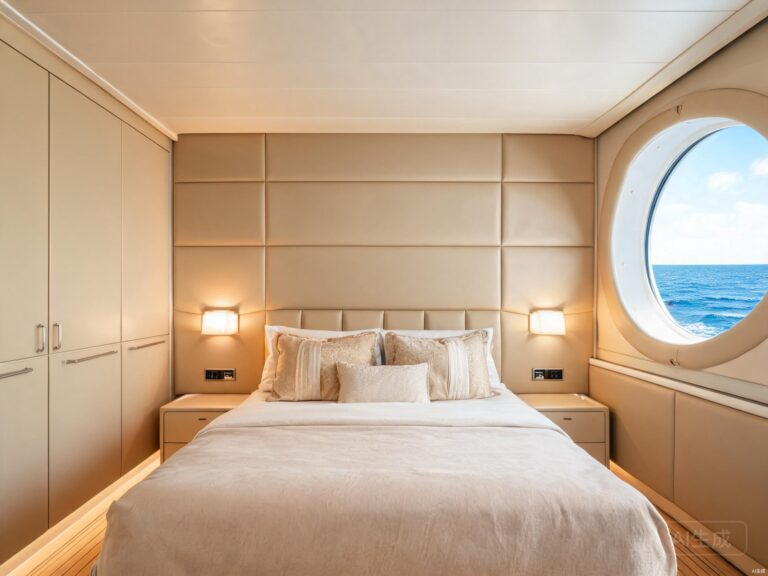
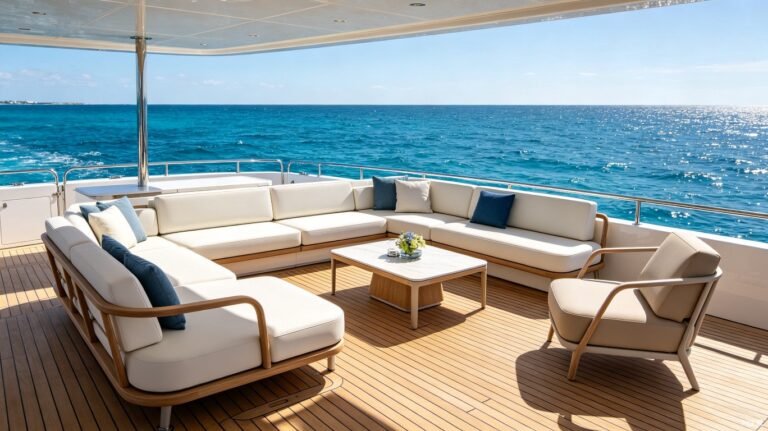
Luxury yacht interior seating.
Outdoor furniture material overview — how silicone leather performs in marine and outdoor conditions.
Specifying Yacht Salon Seating Material for Production
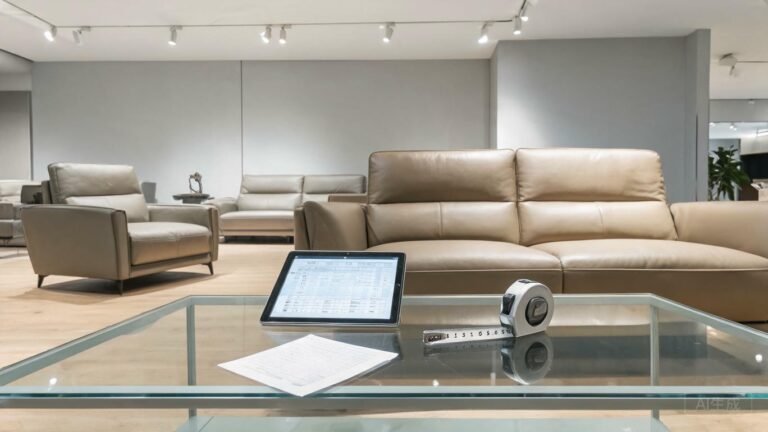
Include salon layout drawings, furniture dimensions, target color references, expected stain exposure list, and required sample size in the RFQ. If the project involves charter yachts or commercial dining vessels, request additional documentation on abrasion cycles, stain recovery times, and color consistency across production batches. A small pre-production trial with simulated guest-use staining often prevents costly replacement after the first charter season.
For large marine interior programs, approve both appearance and service behavior under real guest-use conditions. Ask the workshop to cut, wrap, stitch, and clean the sample with the same chemicals and techniques the crew will use at sea. If the material shows wear marks from simulated jewelry contact, color variation under salon lighting, or slow stain recovery, adjust the grain, protective finish, or color batch before issuing the purchase order.
Next Step for Buyers
Yacht salon seating must create an interior atmosphere of refined luxury while tolerating the humidity and motion of marine environments. TOPSUN supplies marine-grade silicone leather with soft hand feel, custom grain development, and low VOC properties for enclosed cabin spaces. We support interior designer color palettes, embossed textures, and production batch consistency.
About TOPSUN
TOPSUN creates premium silicone leather for yacht salon seating, master cabin loungers, and interior entertainment spaces.
Relevant capabilities include soft-touch grain development, designer color palette matching, low VOC for enclosed air-conditioned spaces, and marine-grade moisture resistance for humid environments.