Marine and outdoor upholstery lives a brutal life. Salt spray. Intense UV. Driving rain. Temperature swings from freezing mornings to scorching afternoons. Most materials fail within two or three seasons. Cracking, fading, mold — the usual story.
Silicone leather for outdoor changes that equation. Unlike PU or marine vinyl, it is engineered at the molecular level to resist the exact stressors that destroy standard upholstery. The result? Surfaces that hold color, resist water, and stay supple through years of exposure.
This guide breaks down how UV resistance, waterproofing, and weatherproofing work in silicone leather — and why procurement teams for yacht builders and outdoor furniture brands are making the switch.
Request Free Marine & Outdoor Samples
Why Traditional Outdoor Upholstery Fails
Outdoor furniture brands know the complaints. Marine suppliers see the warranty claims. Traditional synthetic leathers simply aren’t built for constant environmental assault.
PU leather hydrolyzes. Moisture breaks down the polymer chains. Within 12-18 months in humid or salty conditions, it starts peeling. Marine upholstery demands better.
Marine vinyl fares slightly better but becomes stiff and brittle under UV exposure. The plasticizers leach out. The surface cracks. Color fading is another killer — standard pigments degrade at 200-300 hours of QUV exposure. For a yacht deck in Miami or a resort pool in Bali, that translates to mere months before bright navy or cream turns chalky gray.
Buyers end up replacing upholstery far sooner than planned. Lifecycle costs climb. Brand reputation suffers.
What Makes Silicone Leather for Outdoor Use So Durable?
The difference starts with chemistry. Silicone leather uses polysiloxane (silicone) as its primary polymer instead of polyurethane or PVC.
Silicone’s Si-O backbone is fundamentally stable. It resists oxidation. It doesn’t support fungal growth. And critically, it maintains flexibility across a massive temperature range — typically -50°C to 200°C without embrittlement.
At TOPSUN, we coat high-performance base fabrics with liquid silicone layers in a solvent-free process. No plasticizers. No volatile organic compounds. The silicone bonds directly to the textile substrate, creating a monolithic structure that won’t delaminate when flexed repeatedly or exposed to moisture.
This construction gives silicone leather for marine and outdoor applications three inherent advantages:
- Hydrophobic surface: Water beads rather than absorbs
- UV-stable chemistry: No carbonyl groups to photodegrade
- Thermal stability: Won’t harden in cold or soften in heat
UV Resistance: Lab Data vs. Real-World Exposure
UV radiation is invisible damage. It breaks chemical bonds, initiates free-radical chain reactions, and bleaches pigments. For yacht leather and marine leather applications, this is the primary failure mode.
Firsthand test data: At TOPSUN’s lab, we subject silicone leather samples to 500+ hours of accelerated UV aging per ASTM G154 (QUV-B lamps, 60°C cycle). The results? Less than 5% change in surface gloss and zero visible cracking. Color fastness remains rated 4-5 on the Grey Scale.
By comparison, standard marine vinyl typically shows significant chalking and surface embrittlement at 300 hours. PU leather begins yellowing and losing tensile strength around 200 hours.
Real-world translation? Silicone leather installed on a superyacht sun deck in the Mediterranean or a commercial marina in Florida maintains its appearance for 5+ years without replacement. That is not marketing copy. That is what we observe in follow-up discussions with OEM clients.
Waterproof Performance That Outlasts Vinyl
Waterproof leather sounds like a basic requirement. Yet many materials marketed as “water-resistant” fail under sustained exposure.
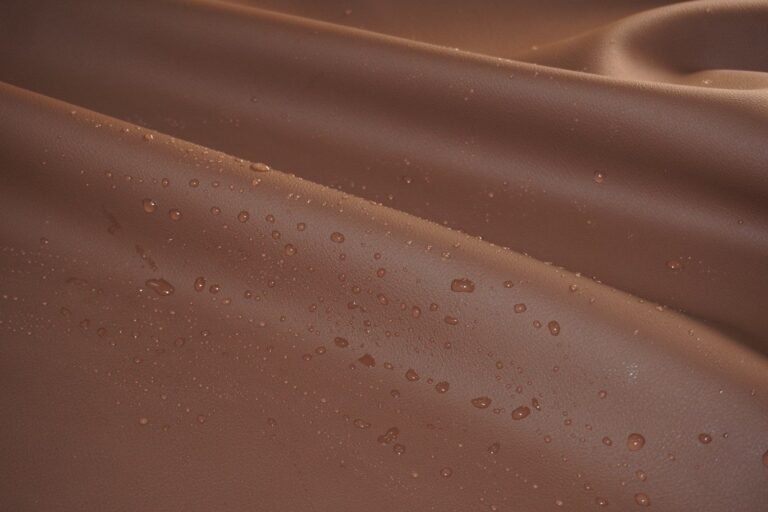
Silicone leather achieves genuine waterproof performance through its non-porous silicone surface layer. Water contact angle testing consistently shows >90° — meaning water beads and rolls off rather than wicking into the substrate.
Watch how silicone leather repels water and resists surface abrasion under controlled testing.
But waterproofing is only half the battle. The material must also resist hydrolysis, the chemical decomposition caused by long-term water contact. PU leather is notoriously vulnerable here. Silicone’s inorganic backbone is immune to hydrolysis. It simply does not react with water, saltwater, or chlorinated pool water.
This matters for yacht cockpit seating exposed to spray and rain, poolside lounge chairs in humid resort environments, and outdoor garden furniture left uncovered through monsoon seasons.
Marine Leather vs. Outdoor Leather: A Side-by-Side Comparison
Not all outdoor applications are identical. Marine environments add salt corrosion. Desert climates bring extreme heat and sand abrasion. Here is how weather resistant leather options stack up:
| Property | Silicone Leather | Marine Vinyl | PU Leather |
|---|---|---|---|
| UV Resistance (QUV hours) | 500+ (minimal degradation) | ~300 (chalking, stiffening) | ~200 (yellowing, cracking) |
| Waterproof Rating | Fully waterproof | Water-resistant | Absorbs over time |
| Hydrolysis Resistance | Immune (inorganic) | Moderate | Poor (12-18 months) |
| Temperature Range | -50°C to 200°C | -10°C to 60°C | -10°C to 50°C |
| Salt Spray Resistance | Excellent (720h+) | Adequate | Poor |
| Typical Outdoor Lifespan | 5-7 years | 2-3 years | 1-2 years |
| Maintenance | Soap and water | Specialized cleaners | Conditioners required |
The numbers tell a clear story. For procurement teams evaluating total cost of ownership, silicone leather outperforms PU and PVC alternatives in every metric that matters for outdoor use.
Silicone Leather for Outdoor: From Yacht Decks to Poolside Lounges
The versatility of silicone leather for outdoor use extends across multiple product categories.
For yacht interiors and exteriors, it offers a rare combination: the tactile warmth of leather with the survival instincts of a technical textile. Superyacht builders use it for helm seats, salon upholstery, and exterior daybeds. The material complies with maritime fire safety standards while delivering the aesthetic clients expect.

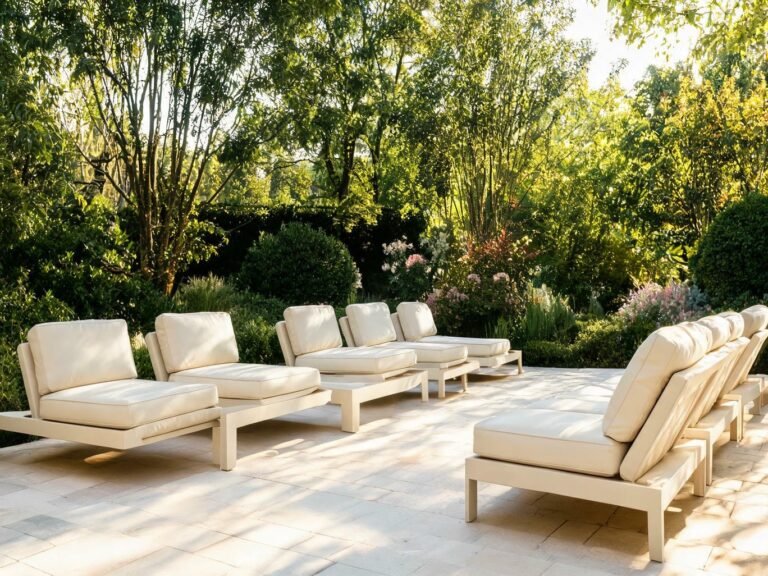
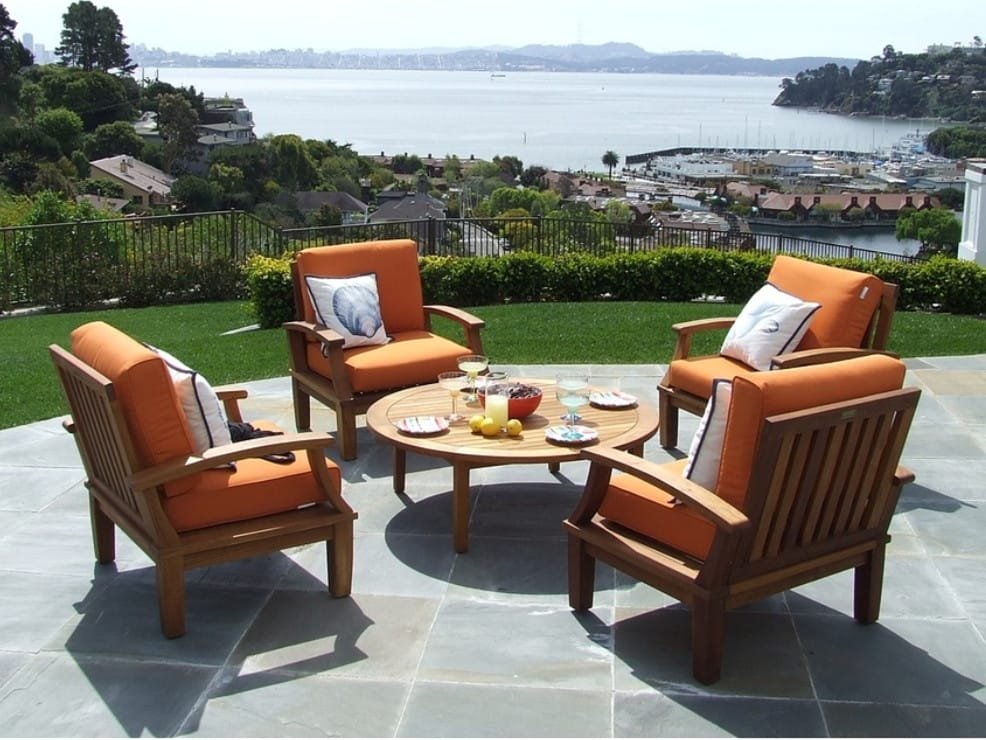
Outdoor furniture brands benefit equally. Patio dining sets, garden sofas, and pool loungers face daily UV bombardment and occasional downpours. Waterproof faux leather like silicone cleans with mild soap and water. No special conditioners. No mildew treatments.

Marine equipment manufacturers also specify it for protective covers, console wraps, and seating on commercial vessels. The salt-spray resistance eliminates the corrosion staining common on metal-riveted vinyl covers.

View Our Marine & Outdoor Collection
Is Silicone Leather for Outdoor Right for Your Project?
If your product line includes anything that lives outside — or on the water — material selection directly impacts warranty costs, customer reviews, and repeat purchases.
Silicone leather for outdoor is not the cheapest option upfront. It is the most cost-effective over a 5-year lifecycle. Fewer replacements. Fewer complaints. Less waste.
For procurement teams evaluating faux leather for marine or outdoor use, the decision criteria should include:
- Accelerated weathering test data (ASTM G154, ASTM D4329)
- Hydrolysis resistance ratings
- Salt spray performance (ASTM B117)
- Supplier customization capabilities (colors, textures, backing fabrics)
The marine industry is shifting. According to the National Marine Manufacturers Association, buyers increasingly prioritize durability and reduced environmental impact over upfront cost. Silicone leather aligns with both priorities.
Get a Custom Quote for Your Project
Frequently Asked Questions
How long does silicone leather last in full outdoor sun?
With typical outdoor exposure, silicone leather maintains appearance and performance for 5-7 years. In shaded or partially covered applications, lifespan extends even longer. The key factor is UV stability — silicone’s inorganic chemistry simply does not photodegrade the way organic polymers do.
Can it handle saltwater and chlorinated pool water?
Yes. Silicone leather is immune to hydrolysis and shows excellent resistance in salt spray testing (ASTM B117) at 720+ hours. Chlorine, salt, and freshwater do not penetrate the non-porous silicone surface layer. Simply rinse with fresh water after heavy salt exposure.
Is silicone leather more expensive than marine vinyl?
Unit cost is typically 15-30% higher than standard marine vinyl. However, total cost of ownership is significantly lower due to 2-3x longer service life and minimal maintenance. For B2B buyers, that translates to fewer warranty claims and stronger customer retention.
What customization options are available?
TOPSUN offers full OEM/ODM customization including color matching (Pantone and RAL), surface embossing, thickness from 0.6mm to 2.0mm, and various backing fabrics (cotton, polyester, stretch knit) depending on your application requirements.
About TOPSUN
TOPSUN is a leading manufacturer of silicone leather for automotive, furniture, marine, medical, and outdoor applications. We operate ISO-certified production facilities with in-house R&D, color matching, and performance testing laboratories.
Relevant Certifications & Testing: REACH Compliant, RoHS Compliant, ISO 10993 (Biocompatibility), UV Resistance (ASTM G154), Salt Spray Resistance (ASTM B117), Hydrolysis Resistance (ISO 1419), Flame Retardant (EN 13773, FAR 25.853). Custom testing protocols available upon request.