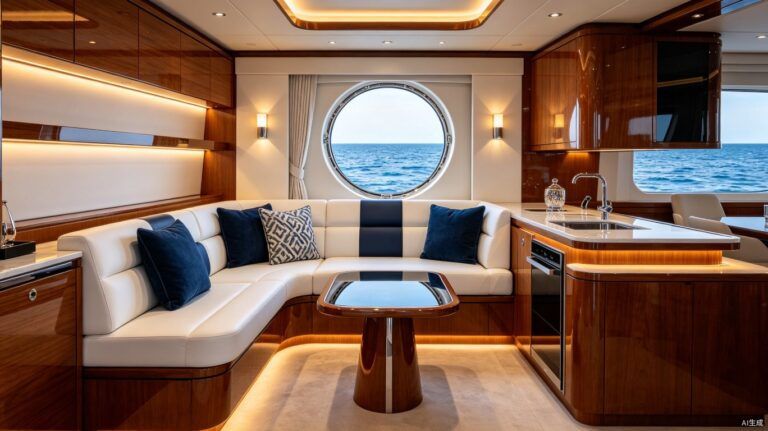
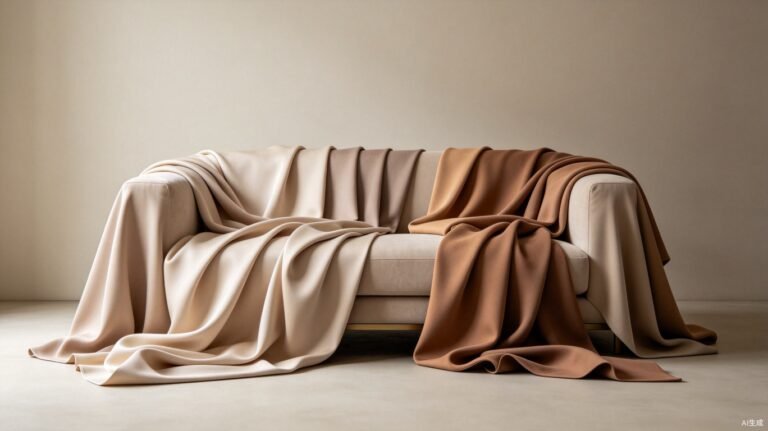
Tired of constantly replacing faded, cracked, and moldy boat upholstery that fails harsh marine conditions? Most traditional yacht materials only last 2–5 years, bringing extra time, labor and replacement costs.
Marine-grade silicone faux leather is your ideal long-term solution. It is engineered for extreme marine environments and delivers 10+ years of maintenance-free performance for all boat and yacht upholstery projects.
In this guide, you will learn how marine faux leather differs from ordinary upholstery. We also cover key performance metrics like salt spray resistance and UV stability, plus why silicone leather is favored by yacht builders and outdoor furniture brands across Europe and America.
Whether you source materials for new yachts, refurbish boat seats or select upholstery for commercial marine projects, this guide helps you make smart, long-lasting decisions.
Ready to Upgrade Your Marine Upholstery?
1. What Is Marine Faux Leather?
Marine faux leather is a premium outdoor upholstery material. It is specially made to stand up to harsh marine conditions, including saltwater corrosion, strong UV rays, high humidity, temperature changes and daily wear.
Standard synthetic leather works for indoor furniture or car interiors only. True marine-grade leather must pass strict third-party tests for salt spray, UV resistance, hydrolysis and mildew. These features are essential for boats, yachts and all outdoor marine installations.

Types of Marine Synthetic Leather
Three main synthetic materials dominate the marine upholstery market. Knowing their differences helps you avoid costly sourcing mistakes.
- PVC (Polyvinyl Chloride) Marine Vinyl: A traditional budget option used for decades. Its plasticizers wear out over time, making the material brittle and cracked in hot weather. It also releases VOCs that harm indoor air quality.
- PU (Polyurethane) Faux Leather: Softer and more attractive than PVC. However, it suffers severe hydrolysis in humid marine environments. It peels and delaminates within 2–3 years under constant moisture.
- Silicone-Based Faux Leather: The most advanced marine solution. Made with stable silicone polymer, it contains no plasticizers. It resists water, salt, UV and extreme temperatures, and lasts 10+ years at sea. It is perfect for yacht and outdoor marine upholstery applications.
Want to learn more? Check what silicone leather is and how it outperforms regular synthetics. Its stable polymer structure keeps performing when other materials fail.
2. Key Performance Standards for Boat Leather Material
When you select boat leather material, verified test data matters more than empty marketing words. Professional builders and upholsterers always check independent test results first.
Salt Spray Resistance
Salt spray testing follows ISO 9227 and ASTM B117. It simulates corrosive ocean air with continuous salt mist.
This is the most critical test for marine materials. High-quality marine silicone leather withstands 500+ hours of salt spray without damage. Standard PU leather degrades in 96–200 hours, while PVC fails in just 48–120 hours.
UV Resistance and Color Fastness
Water surfaces reflect strong UV rays, which fade and damage upholstery quickly. UV aging tests follow ISO 4892-2 to measure durability under sunlight.
Premium silicone leather reaches UV resistance Grade 4+ after 2,000+ hours of testing. It keeps color and shape for over a decade. Regular marine vinyl fades noticeably in only 1–2 years.
Abrasion and Wear Resistance
Marine seats face constant friction from passengers, gear and daily cleaning. We use the Martindale test to measure wear resistance.
Qualified marine upholstery must pass a minimum of 200,000 Martindale cycles, the standard for high-traffic commercial and marine use.
Performance Data Overview
Data comes from TOPSUN internal tests following ISO standards. All results are third-party verified by SGS and Intertek.
3. Waterproof Marine Leather: How It Survives Saltwater Exposure
True waterproof marine leather is more than surface water repellent. It works at molecular level, and stays flexible and strong after thousands of wet-dry cycles at sea.

Why Saltwater Destroys Ordinary Leather
Saltwater is extremely harsh for synthetic and natural upholstery. Salt, moisture, oxygen and UV rays work together to damage low-grade materials quickly.
- Polymer Corrosion: Salt ions seep into materials and break polymer chains, causing cracks and peeling.
- Chemical Hydrolysis: Water damages PU materials permanently. Once hydrolysis starts, the material will fail gradually.
- Mold & Mildew Infestation: High marine humidity traps moisture and grows mold. It leaves stains, bad odors and permanent damage.
- UV Accelerated Degradation: UV rays weaken materials, making them even easier to be damaged by salt and water.
How Silicone Leather Solves These Problems
Silicone marine faux leather fixes all common issues thanks to its unique stable polymer structure.
- 100% Inherent Waterproof: The non-porous surface blocks all water. Water beads up and wipes away easily.
- Hydrolysis-Proof Structure: Silicone bonds resist hydrolysis completely. It never breaks down in wet and humid environments.
- Natural Antimicrobial Performance: It stops bacteria and mold growth. It reaches mildew resistance Grade 0 even in tropical humidity.
- UV-Stabilized Pigments: Special color pigments prevent fading after long hours of direct sunlight.
Want to know more about durability? Read our analysis on faux leather durability and real-world performance.
Need Technical Data for Your Marine Project?
Download our full Technical Data Sheet with SGS-verified test reports
4. Choosing the Right Yacht Upholstery Material
Selecting yacht upholstery material requires balance between looks, durability, comfort and long-term value.
Yacht interiors need luxury texture. Exterior deck parts demand strong resistance against all outdoor marine elements.

Interior vs. Exterior Applications
Material requirements differ greatly for indoor and outdoor yacht use.
Yacht Interior Upholstery: Cabin seats, sofas and wall panels need soft, leather-like texture. They stay sheltered from direct salt spray but face humidity and indirect UV rays.
Our Designer Collection feels like real leather, and works much better than genuine leather in humid marine spaces.
Exterior and Deck Upholstery: Helm seats, cockpit cushions and deck loungers bear the worst marine conditions. They need strong UV, abrasion and weather resistance.
Our High Performance Collection comes in 0.8mm to 2.5mm thickness for all heavy-duty outdoor use.
What to Look for in a Marine Upholstery Supplier
A reliable supplier decides the success of your marine project. Use this simple checklist to screen manufacturers.
- Third-Party Certification: Choose materials tested by SGS or Intertek. TOPSUN’s certifications include ISO 9001, REACH and PAHs compliance.
- Customization Capability: We offer precise color matching and custom embossing to fit your design needs.
- Free Sample Support: Always test real samples before bulk orders. Get free swatches to check texture, color and sewing performance.
- Production & Lead Time: We run three manufacturing bases with 600,000 meters monthly output. Standard lead time is 7–15 days.
- Full Technical Support: Our team provides material guidance, installation tips and after-sales service.
5. Marine Grade Faux Leather vs. Traditional Materials
Many products claim to be “marine grade”, but only qualified materials meet strict industry standards. Do not be misled by vague advertising.
Real-World Cost Comparison
Silicone marine leather costs a bit more upfront than PVC vinyl. However, it saves you far more money in the long run thanks to its long lifespan and low maintenance.
Take a 40-foot yacht reupholstery project as an example:
When you count replacement fees, labor and vessel downtime, silicone leather delivers the most cost-effective solution long term.
Environmental and Compliance Advantages
Silicone marine leather also brings great eco-friendly benefits, matching global marine industry sustainability rules.
- Near-Zero VOC Emissions: No harmful gas release. It keeps cabin air clean and healthy.
- Plasticizer-Free Formula: No phthalate additives. It stays flexible without chemical leakage.
- Global Compliance: Fully meets EU REACH and PAHs standards for European and American waters.
- 100% Recyclable & Ocean-Safe: Halogen-free and recyclable, friendly to marine ecology.
Learn more about green materials in our guide to eco-friendly faux leather.
6. How to Source Quality Marine Synthetic Leather
Sourcing reliable marine synthetic leather needs clear standards and careful supplier checks. This step-by-step guide simplifies the process.
Step 1: Define Your Technical Requirements
List out your exact needs before contacting suppliers to avoid mismatches.
- Application: interior cabin, exterior deck, helm seat or protective covers
- Material thickness (0.8mm–2.0mm is standard for marine seats)
- Color and surface texture requirements
- Minimum performance standards: salt spray hours, UV grade, abrasion cycles
- Certification needs: REACH, PAHs, flame retardancy
- Annual order volume and delivery schedule
Step 2: Evaluate Factory Capabilities
Not all synthetic leather factories can produce real marine-grade products. Focus on these key points:
- Dedicated Marine Product Line: Mature formulas and strict quality control for harsh marine use.
- Complete In-House Testing Labs: Full test equipment ensures stable product quality.
- Flexible Customization: Support custom color, texture and thickness with low MOQ.
- Proven Cooperation Record: Experience serving famous brands in marine, automotive and hospitality fields.
TOPSUN’s manufacturing facilities cover 60,000 square meters. We have 18 production lines, 12+ R&D engineers and 233 patents to support global marine projects.
Step 3: Request Samples and Test
Never place bulk orders without sample testing. Check the following items with real swatches:
- Hand feel, texture and overall appearance
- Flexibility for sewing and installation
- Compatibility with your sewing tools and threads
- Resistance to daily cleaning chemicals
- Color performance under different lighting
For professional buyers, our factory selection guide helps you pick top silicone leather manufacturers.
Conclusion
The marine upholstery industry is upgrading materials rapidly. Traditional PVC vinyl has obvious flaws like aging, cracking and environmental risks.
Silicone-based marine faux leather represents today’s top marine upholstery technology. It resists salt, UV, hydrolysis, mildew and extreme temperatures.
It combines luxury look and industrial durability, delivering unmatched overall performance at a reasonable cost.
Three key points for successful procurement: choose verified marine-grade materials, work with experienced manufacturers, and test samples before bulk purchase.
Follow our guide, and your marine upholstery will stay reliable and low-maintenance for years ahead.
Get Started with TOPSUN Marine Leather
ISO 9001 certified | REACH & PAHs compliant | 500+ hours salt spray tested | Free samples available
Why Professionals Trust TOPSUN for Marine Leather
600M+
Meters Produced
233
Patents Held
100+
Global Clients
3
Production Bases
Certifications: ISO 9001 | REACH | PAHs | FDA | EN 13773 Class 4 | SGS & Intertek Verified
Trusted by: NIO | DONGFENG | Haier | Hisense | KUKA | LEAPMOTOR | MEIZU