Rehabilitation equipment upholstery faces a punishing mix: patient sweat, abrasive therapy straps, weighted resistance contact, and daily cleaning across multiple users. Rehabilitation equipment upholstery must resist tearing at anchor points, tolerate anti-bacterial sprays, and maintain grip for patient safety during balance training. This guide explains how to evaluate rehab seat and pad materials and where silicone leather supports long-term clinical use.
Download Material Specifications
Rehab equipment includes tilt tables, standing frames, gait trainers, and resistance machines, each imposing different wear patterns. Straps rub at anchor points, weighted attachments compress local areas, and patients with spasticity create sudden shear loads. A rehabilitation equipment cover must resist tearing at these stress concentrators, tolerate repeated disinfection, and maintain enough surface friction to prevent falls during balance training.
Multi-user environments amplify infection risk. The International PU/PI Guideline recognizes that shared equipment in rehabilitation settings requires rigorous surface hygiene between patients. Rehabilitation equipment upholstery selection should support both mechanical durability and terminal cleaning compatibility. A surface that absorbs sweat or harbors bacteria in surface texture becomes a cross-contamination vector across immunocompromised user populations.
Equipment category drives specification. Standing frames need vertical surfaces with enough grip for forearm support. Gait trainers need lightweight pads that do not add inertia. Resistance machines need thick covers that tolerate compressive loading at contact points. Documenting equipment type, user weight range, strap configuration, and cleaning protocol helps suppliers tune backing density, surface texture, and seam reinforcement for each application.

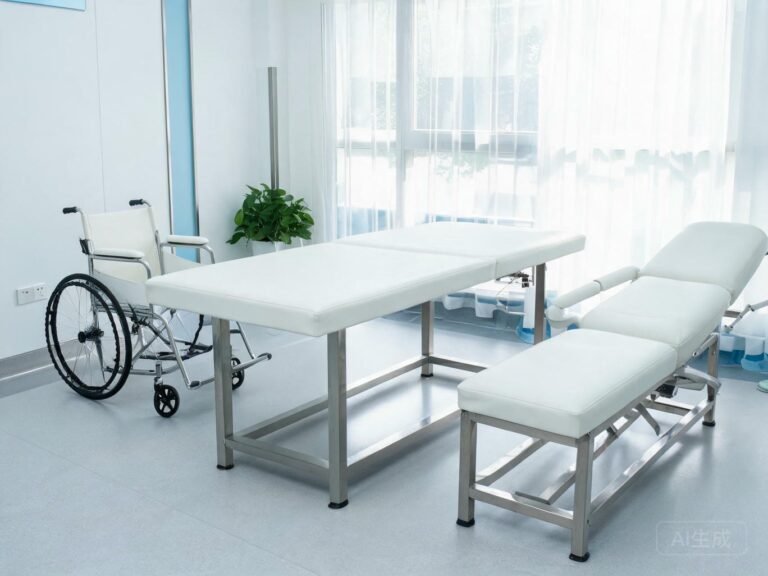
Scratch resistance testing — rehabilitation equipment faces heavy contact from mobility aids and transfers.
Rehab equipment includes tilt tables, standing frames, gait trainers, and resistance machines, each imposing different wear patterns. Straps rub at anchor points, weighted attachments compress local areas, and patients with spasticity create sudden shear loads. A rehabilitation equipment cover must resist tearing at these stress concentrators, tolerate repeated disinfection, and maintain enough surface friction to prevent falls during balance training.
Multi-user environments amplify infection risk. The International PU/PI Guideline recognizes that shared equipment in rehabilitation settings requires rigorous surface hygiene between patients. Rehabilitation equipment upholstery selection should support both mechanical durability and terminal cleaning compatibility. A surface that absorbs sweat or harbors bacteria in surface texture becomes a cross-contamination vector across immunocompromised user populations.
Equipment category drives specification. Standing frames need vertical surfaces with enough grip for forearm support. Gait trainers need lightweight pads that do not add inertia. Resistance machines need thick covers that tolerate compressive loading at contact points. Documenting equipment type, user weight range, strap configuration, and cleaning protocol helps suppliers tune backing density, surface texture, and seam reinforcement for each application.
| Decision Area | What to Specify | Best Fit |
|---|---|---|
| Scratch resistance | Withstands walker, cane, and wheelchair contact without marking | Gait training stations and standing-assist chairs |
| Disinfection durability | Maintains appearance after multiple daily cleaning cycles | Shared-use equipment in busy rehabilitation centers |
| Pressure redistribution | Conforms to support patients with limited mobility | Post-surgical recovery chairs and treatment tables |
| Fleet consistency | Color and grain match across large multi-unit orders | Hospital rehab departments and equipment distributors |
How TOPSUN Builds Rehab-Grade Silicone Leather
TOPSUN manufactures silicone leather for high-traffic rehabilitation centers where equipment upholstery faces shared use, mobility aid contact, and intensive cleaning schedules. The formulation prioritizes scratch and abrasion resistance for walker and cane contact, antimicrobial surface options for shared-patient safety, and high-durability backing for heavy-use frames. Color consistency is maintained across bulk orders to ensure fleet uniformity. See our medical and healthcare silicone leather applications for typical healthcare applications.
For rehabilitation equipment OEM projects, we usually start by mapping the equipment type: gait trainers with heavy mobility aid contact, standing-assist chairs with frame abrasion, or treatment tables with patient transfer wear. Then we tune color, grain, thickness, and backing to match the wear pattern. Related references include our medical-grade silicone leather guide and hospital bed upholstery material.

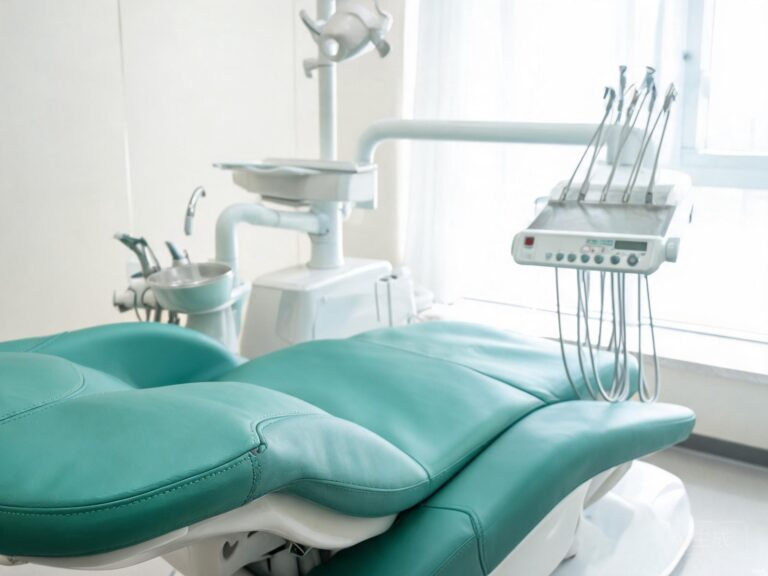
Medical-grade faux leather — engineered for the demanding rehabilitation equipment environment.
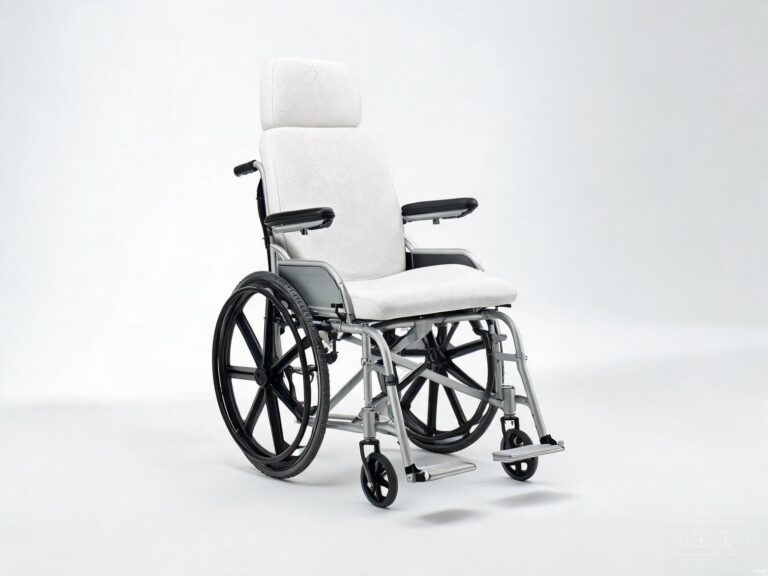
Scratch resistance demonstration — silicone leather withstands the wear patterns of rehab equipment.
Specifying Rehabilitation Equipment Upholstery for OEM Production
A good RFQ for rehabilitation equipment should include target thickness, backing type, expected daily user count, mobility aid contact points, cleaning agents, seam design, color tolerance, and sample test expectations. Do not specify only price per meter. For rehab products, a cover with better scratch and abrasion resistance can reduce fleet maintenance costs and extend replacement intervals across multiple units. TOPSUN can support custom color, embossing, and backing trials before bulk production.
Before approving mass production, request swatches from the same construction that will be used in the order. Test them after simulated walker and cane abrasion, repeated wiping with your specified disinfectants, and edge folding at frame contact points. This simple step catches many problems early: surface scuffing from mobility aids, coating breakdown at armrest edges, color inconsistency across batch units, or backing that does not bond well to the chosen foam core.
Next Step for Buyers
Rehabilitation equipment covers face mechanical loads, patient sweat, and frequent disinfection across shared devices. TOPSUN engineers silicone leather surfaces with reinforced seams for strap anchor points, tunable friction for balance training, and chemical compatibility for terminal cleaning protocols. We can develop project-specific constructions for standing frames, gait trainers, and resistance machine pads.
Request Rehab Equipment Samples
About TOPSUN
TOPSUN engineers silicone leather for rehabilitation equipment including standing frames, gait trainers, and resistance machine pads.
Relevant capabilities include tear-strength validation at anchor points, strap abrasion testing, tunable surface friction, and disinfectant compatibility for shared-device environments.