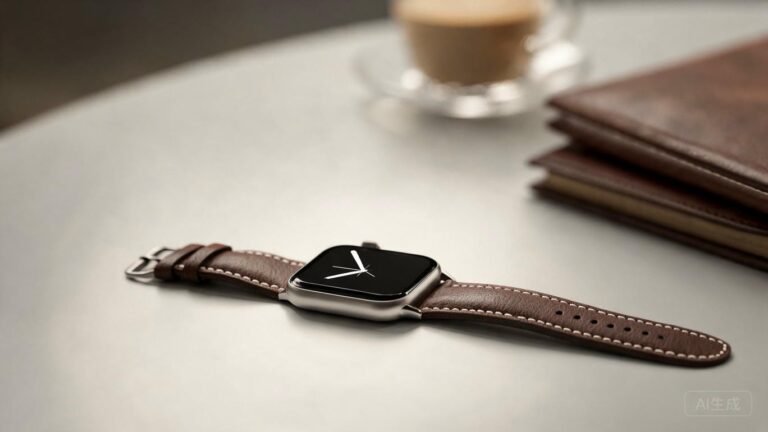
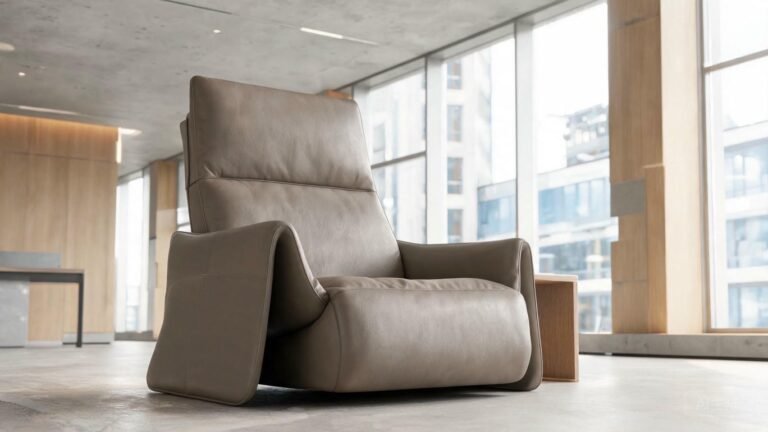
The wireless earbuds market shows no signs of slowing down, and with it, the demand for charging case covers has exploded. But choosing the right earbuds case cover material isn’t just about slapping a skin on a plastic shell. The material you select affects grip, scratch protection, branding potential, and — crucially — whether the case still fits in a pocket after the cover is applied. For B2B buyers sourcing TWS case material, the options range from thin silicone films to textured leather wraps, each with distinct manufacturing and marketing implications.
What Makes a Good Earbuds Case Skin Material?
Earbuds cases are small, handled frequently, and carried in pockets alongside keys and coins. That means the cover material needs to do several things at once: provide enough grip to prevent drops, resist scratching from sharp objects, maintain a slim profile, and hold up to the oils and sweat from constant handling. It’s a surprisingly demanding set of requirements for such a small product.
In our experience developing materials for 3C accessories, the biggest mistake we see is choosing a material based purely on initial appearance. A cover that looks great in a product photo but develops a greasy film after two weeks of use will generate negative reviews faster than any functional flaw. The surface chemistry of the material — how it interacts with skin oils over time — should be your first evaluation criterion, not your last.

Dark gray leather texture — ideal for minimalist earbuds case skin designs
Comparing the Three Main Material Categories
The earbuds case cover market is dominated by three material types. Understanding their performance differences helps you position your product correctly and avoid costly material mismatches.
| Property | Silicone Leather | TPU Film | Hard Plastic Shell |
|---|---|---|---|
| Profile Thickness | 0.4–0.8mm | 0.2–0.3mm | 1.0–2.0mm |
| Grip Quality | Excellent | Moderate | Poor (slippery) |
| Scratch Resistance | High | Low (self-healing only) | High (but visible scratches) |
| Branding Options | Embossing, laser engraving | Print only | Limited (in-mold) |
| Oil/Sweat Resistance | Excellent | Moderate (clouds over time) | Good |
| Pocket Fit Impact | Minimal | Negligible | Significant |
Silicone leather hits a compelling balance point. It’s thin enough to maintain pocket-friendly dimensions, textured enough to provide genuine grip, and stable enough to resist the skin oils that degrade TPU over time. For brands that want to learn more about how silicone coatings compare to traditional synthetics, our 3C electronics silicone leather overview covers the broader category.

Metallic sheen finishes — popular for premium TWS case cover branding
Custom Branding and Color Strategies
For many B2B buyers, the charging case cover isn’t just a protective layer — it’s a branding canvas. This is where material choice directly impacts marketing potential. TPU films limit you to surface printing, which wears off at contact points. Hard shells restrict you to in-mold decoration that’s expensive to customize in small batches. Silicone leather, by contrast, accepts multiple decoration methods that create lasting, tactile brand elements.
- Embossed logos: A recessed or raised logo pressed into the silicone surface creates a tactile brand mark that doesn’t wear off. This is the same technique used on premium silicone leather phone cases.
- Laser engraving: Precise engraving removes the top layer to reveal a contrasting base color — ideal for serial numbers, QR codes, or decorative patterns.
- Custom color matching: Pantone-matched colors let your case cover align precisely with brand guidelines — critical for corporate gifting or co-branded products.
- Two-tone construction: Combining different textures or colors on a single case cover creates visual differentiation that stands out in a crowded market.
One client we worked with — a corporate gifting company — needed earbuds case covers in 12 different brand colors for a client launch event. Silicone leather was the only material that could be color-matched across all 12 shades while maintaining consistent texture and finish. TPU couldn’t achieve the color depth, and hard shells would have required 12 separate injection molds. The silicone leather covers were die-cut from color-matched sheets, keeping tooling costs minimal.

Color fastness testing — ensuring brand colors stay vibrant on small visible surfaces
Manufacturing and Sourcing Considerations
When you’re sourcing earbuds case cover material at scale, several production factors come into play that aren’t immediately obvious from looking at samples:
Adhesive compatibility: The cover material must bond reliably to the case substrate — typically ABS or polycarbonate. Silicone leather’s surface accepts a range of acrylic and polyurethane adhesives without special primers, which simplifies your assembly process. TPU films often require corona treatment or primer coating to achieve adequate bond strength.
Cutting precision: Earbuds cases have complex curves and tight tolerances. The material must cut cleanly without edge deformation. Silicone leather at 0.5mm thickness die-cuts with sharp, consistent edges — a critical factor when the cover wraps around a curved surface where any imperfection is visible.
Regulatory compliance: If your earbuds ship to the EU or US, the cover material must meet REACH and RoHS requirements. Silicone leather’s VOC-free composition simplifies compliance documentation, while some TPU formulations contain plasticizers that require additional testing.
Cost perspective: Silicone leather earbuds case covers typically cost $0.15–0.30 more per unit than TPU film alternatives. For products retailing above $30, this premium is easily absorbed — and the improved grip, branding options, and durability create perceived value that supports a higher retail price.
Making Your Material Decision
The earbuds case cover material you choose should align with your product’s price point, target audience, and brand identity. For ultra-budget products, TPU film remains a viable entry-level option. But for any product positioned above the commodity tier — where branding, grip, and user experience matter — silicone leather offers a clear value proposition that pays for itself through differentiation and reduced negative reviews.
If sustainability is part of your brand story, silicone leather’s eco-friendly composition gives you a credible differentiator in a market where most accessories are still petroleum-based plastics. And because the same material expertise applies across the 3C accessories category, you can standardize on one material supplier for earbuds covers, phone cases, and other small electronics accessories.
About TOPSUN
TOPSUN manufactures organic silicone leather for B2B clients across the 3C electronics ecosystem — from earbuds case covers to phone cases, headphone pads, and wearable straps. Our materials are engineered for thin-gauge applications where precision cutting, surface stability, and branding flexibility matter.
Relevant certifications: REACH compliant, RoHS compliant, ISO 9001 certified. Custom thickness (0.4–2.0mm), color matching, and embossing available for earbuds case applications.