Phone cases used to be an afterthought — a thin piece of plastic you snapped on and forgot about. Not anymore. Today’s consumers treat their smartphone cover as a fashion statement, a sustainability choice, and a serious investment in device protection all at once. For brands sourcing phone case silicone leather, this shift creates both opportunity and a sourcing challenge: the material needs to look luxurious, survive daily drops, and meet growing environmental expectations. That is a tall order for traditional PU or PVC.
In our experience working with 3C accessory manufacturers, silicone-based leather consistently outperforms conventional synthetics on the metrics that matter most to end users — grip, durability, and cleanability — while delivering the premium hand-feel that justifies a higher retail price point. Let’s break down why.
What Makes Silicone Leather Ideal for Phone Case Manufacturing
Most phone cases on the market use TPU, silicone rubber, or PU-coated fabrics. Each has trade-offs. TPU is durable but feels cheap and yellows over time. Silicone rubber offers great grip but attracts dust and lacks the refined texture buyers associate with premium accessories. PU leather looks good initially but tends to crack, peel, and degrade after 6–12 months of pocket friction.
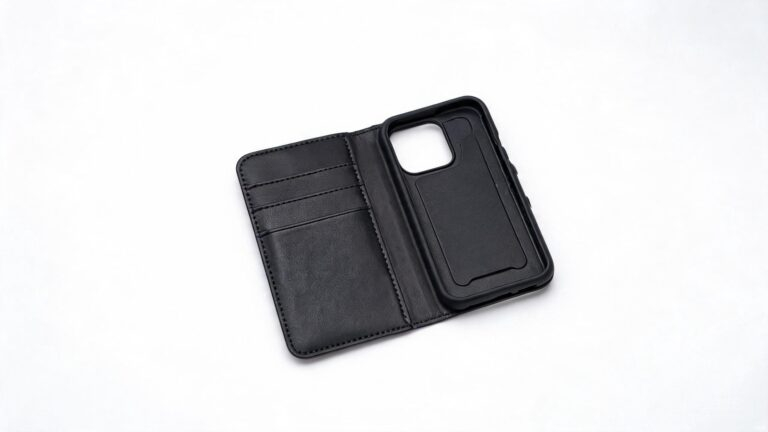
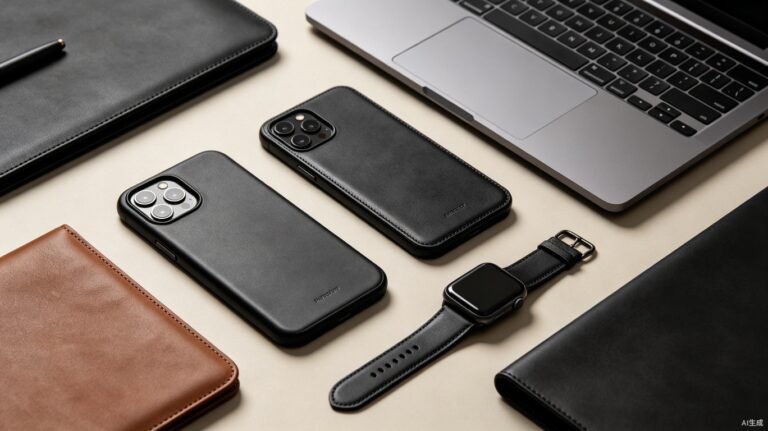
Phone case silicone leather bridges this gap. It is a silicone-coated fabric that combines the soft, skin-friendly touch of liquid silicone with the structural integrity of a textile backing. The result is a smartphone cover leather that feels substantial in the hand, resists fingerprint smudges, and maintains its surface integrity far longer than PU alternatives. For brands targeting the mid-to-premium segment, this material checks boxes that competing options simply cannot.
It is also inherently odorless and free of plasticizers — a meaningful advantage when you consider that phone cases are held against the face during calls and handled constantly throughout the day. If you are exploring materials for 3C electronics accessories more broadly, these properties carry over to tablet sleeves, earbud cases, and laptop covers as well.

Key insight: In accelerated abrasion testing, silicone leather surfaces showed minimal visible wear after 10,000+ Martindale cycles — a threshold where standard PU coatings typically begin to flake. For a product that lives in pockets and bags, this translates directly to longer shelf appeal and fewer warranty returns.
Drop Protection and Scratch Resistance: Numbers That Matter
A luxury phone case is worthless if it cannot protect the device inside. Here is where silicone chemistry does heavy lifting. Silicone elastomers have naturally high energy absorption and shock-dampening characteristics. When applied as a leather coating over a structured fabric base, the material disperses impact energy across a wider surface area compared to rigid plastics.
But protection is not just about impact. Daily life subjects phone cases to keys, coins, table edges, and abrasive surfaces. The scratch resistance of a premium phone case material directly affects how long the product looks new on a store shelf — and how likely a customer is to repurchase or recommend the brand.

The comparison below summarizes how common phone case materials stack up on the properties buyers actually notice:
| Property | Silicone Leather | PU Leather | TPU / Silicone Rubber |
|---|---|---|---|
| Surface feel | Soft, premium, dry-touch | Smooth but can feel sticky | Rubbery, attracts lint |
| Scratch resistance | High — self-healing micro-scratches | Moderate — visible scuffs develop | Low to moderate |
| Yellowing / aging | Resistant to UV yellowing | Prone to cracking and peeling | Yellows within months |
| Cleanability | Wipe-clean, stain-proof | Stains penetrate over time | Difficult to deep-clean |
| Plasticizer / solvent content | None | Contains DMF, plasticizers | May contain residual solvents |
Luxury Aesthetics Without Compromising Sustainability
Here is the reality of the modern accessory market: consumers increasingly associate “premium” with “responsible.” A luxury phone case that is beautiful but made with solvent-heavy PU no longer aligns with what millennial and Gen Z buyers expect. Brands like Apple and Samsung have set the tone by emphasizing recycled and low-impact materials in their own accessory lines.
Phone case silicone leather answers this on two levels. First, the manufacturing process is solvent-free — no DMF, no plasticizers, no VOC emissions during production. Second, the material is fully recyclable at end of life, unlike PVC-based alternatives that release chlorine compounds when incinerated. This makes it easier for your brand to substantiate environmental claims without greenwashing risk. The European Chemicals Agency’s REACH framework increasingly restricts the plasticizers used in conventional PU, making solvent-free alternatives a forward-looking procurement choice.

For brands already marketing eco-conscious product lines, silicone leather pairs naturally with sustainability narratives. It is the same material logic driving the shift toward silicone leather as an eco-friendly faux leather across furniture, automotive, and fashion. You can read more about how silicone chemistry compares to PU and PVC in our detailed material comparison guide.
Custom Phone Case Material: What OEM Buyers Should Specify
If you are sourcing custom phone case material for an OEM production run, the specifications you define early will determine everything from retail pricing to customer satisfaction. Here are the parameters that matter most:
- Total thickness: Phone cases typically require 0.6–1.2 mm. Thinner materials (0.6–0.8 mm) suit slim-fit cases; thicker constructions add cushioning for rugged designs.
- Backing fabric: A tight-woven polyester or nylon backing improves dimensional stability during lamination and die-cutting. For premium tactile feel, consider a brushed microfiber backing.
- Texture and embossing: Custom embossing patterns — from fine pebble grain to smooth Nappa — can be developed to match your brand’s visual identity. Explore our custom texture design capabilities.
- Color matching: Silicone pigments offer excellent UV stability, meaning your Pantone-matched color stays true far longer than dye-based PU systems.
- Compliance: Specify REACH, RoHS, and PAHs compliance upfront. If the case market includes children’s products, FDA-grade silicone leather provides an additional safety margin.
One thing we have seen firsthand: brands that specify these parameters in detail during the sampling phase avoid 80% of the production issues that typically arise later. A vague material spec leads to inconsistent batches, and inconsistent batches lead to returns.
Frequently Asked Questions
Is silicone leather more expensive than PU for phone cases?
On a per-meter basis, yes — silicone leather carries a higher material cost than standard PU. However, the total cost of ownership often favors silicone: lower defect rates, fewer warranty claims, and the ability to position the product at a premium retail price. Most brands find that the margin improvement more than offsets the raw material premium.
Can silicone leather phone cases be recycled?
Yes. Unlike PVC, which releases hazardous chlorine compounds when incinerated, silicone leather can be processed through mechanical recycling streams. The silicone coating and fabric backing can be separated and repurposed, making it a stronger fit for brands with take-back or circularity programs.
What is the minimum order quantity for custom phone case material?
MOQ varies by customization level. Standard colors and textures are available at lower minimums, while fully custom embossing patterns and color development typically require a larger commitment. Contact our team for a quote tailored to your production volume — see our guide on silicone leather for 3C electronics for more context on typical order sizes.
The Bottom Line for Phone Case Brands
The phone case market is crowded, and differentiation increasingly comes down to material quality rather than gimmick features. Phone case silicone leather gives brands a defensible position: it looks and feels premium, protects devices better than aging-prone PU, and aligns with the sustainability expectations that younger consumers now bring to every purchase decision. For sourcing teams evaluating their next accessory material, it is worth requesting physical samples and running your own abrasion and drop tests side by side with your current specification. The difference is often visible within the first hour of handling.
About TOPSUN
TOPSUN is a specialized silicone leather manufacturer serving B2B clients across consumer electronics, automotive, furniture, and fashion. Our phone case silicone leather is produced in a solvent-free coating process and is available in custom thicknesses, textures, and Pantone-matched colors.
Relevant compliance: REACH · RoHS · PAHs · FDA-grade silicone available · ISO 9001 production system