Choosing the right sofa upholstery material is one of the most consequential decisions in furniture manufacturing. It directly impacts how the piece feels, how long it lasts, how easy it is to maintain, and ultimately how satisfied the end customer will be. Yet many procurement teams still default to familiar options — standard polyester fabric, PU leather, or vinyl — without considering how newer materials like silicone leather stack up across every dimension that matters.
This guide compares the most common sofa upholstery materials on four criteria: durability, comfort, cleanability, and visual appeal. By the end, you will have a clear framework for making material decisions that hold up over years of real-world use.
1. Durability: What the Numbers Actually Mean
For commercial and high-traffic residential sofas, durability is non-negotiable. The standard industry metric is the Martindale abrasion test (ASTM D4966), which measures how many rub cycles a fabric can endure before showing visible wear [1]. Here is how the common materials compare:
- Standard polyester fabric — 15,000–25,000 cycles. Fine for light residential use. In commercial settings like hotel lobbies or restaurant waiting areas, expect visible pilling and fiber breakdown within 12–18 months.
- PU leather — 30,000–80,000 cycles. Better than fabric for abrasion, but PU’s ester-based polymer chain is vulnerable to hydrolysis. In humid climates, the surface can start peeling after 2–3 years even if the abrasion numbers look good on paper.
- PVC vinyl — 50,000–100,000 cycles. The surface resists abrasion well, but UV exposure causes the plasticizers to migrate, creating a sticky film and eventual surface cracking.
- Silicone leather — 200,000+ cycles. The silicone polymer coating maintains its structural integrity under continuous friction, UV exposure, and temperature cycling. In our factory testing, silicone leather samples show less than 5% surface wear change after 200,000 cycles.

Key insight: Abrasion resistance is only one durability factor. A material with great Martindale numbers but poor UV or hydrolysis resistance will still need replacement within a few years. Always look at the full performance profile, not just one test result.
2. Sofa Upholstery Material Comfort: Breathability, Temperature, and Touch
Comfort is subjective, but there are measurable differences in how upholstery materials perform during extended sitting sessions.
Natural fabrics like cotton and linen breathe well but stain easily and wrinkle. PU leather feels soft initially but can get sticky in warm weather because the polymer surface does not allow air circulation. PVC vinyl is the worst offender — it traps heat and moisture, making it uncomfortable for prolonged contact.
Silicone leather occupies a sweet spot. The surface is smooth and soft to the touch — closer to genuine leather than vinyl — and unlike PU, it does not get sticky with body heat. While it is not as breathable as open-weave natural fabric, it performs noticeably better than PU or PVC in temperature regulation. For sofa and lounge seating where people sit for 2+ hours at a stretch, this difference is meaningful.
3. Cleanability and Maintenance in Real Life
Here is where the gap between materials becomes dramatic. A fabric sofa in a family home or hotel lobby is a stain magnet. Coffee, wine, pet accidents, food spills — standard fabric absorbs liquids within seconds. Even “stain-resistant” treated fabrics will show discoloration over time.

PU leather is easier to wipe clean than fabric, but it has its own vulnerabilities. Oil-based stains can penetrate the surface. Alcohol-based cleaners will dull the finish. Bleach-based disinfectants accelerate surface degradation.
Silicone leather is the easiest to maintain of the synthetic options. The non-porous surface repels most liquids. A simple wipe with mild soap and water handles 90% of everyday messes. For tougher stains — ink, coffee, food oils — the surface can be cleaned with diluted bleach or alcohol without damaging the finish. This is a game-changer for hospitality and commercial applications where deep cleaning is a regular requirement.
4. Sofa Upholstery Material Visual Appeal and Design Flexibility
Aesthetics matter. The upholstery material sets the visual tone of the entire piece. Fabric offers the widest range of patterns and weaves but is limited in its ability to replicate the look of leather. PU and PVC can be embossed with grain patterns, but the surface often has a plastic sheen that looks artificial under natural light.
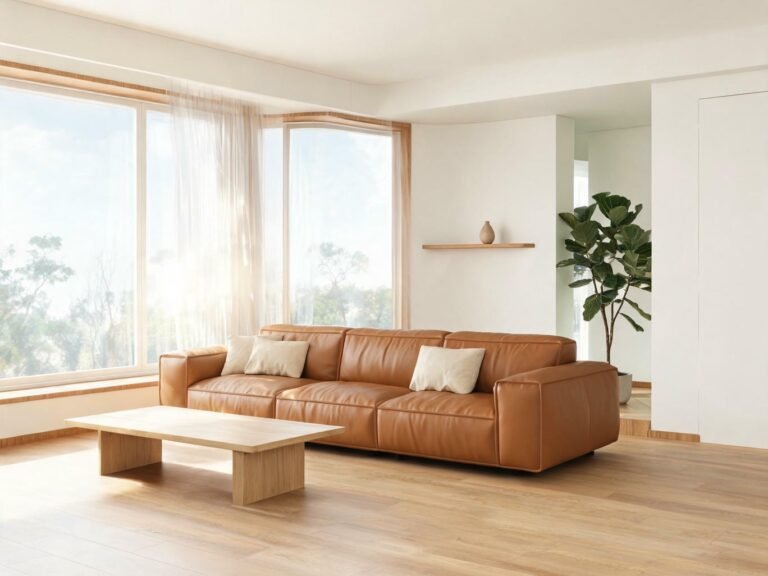
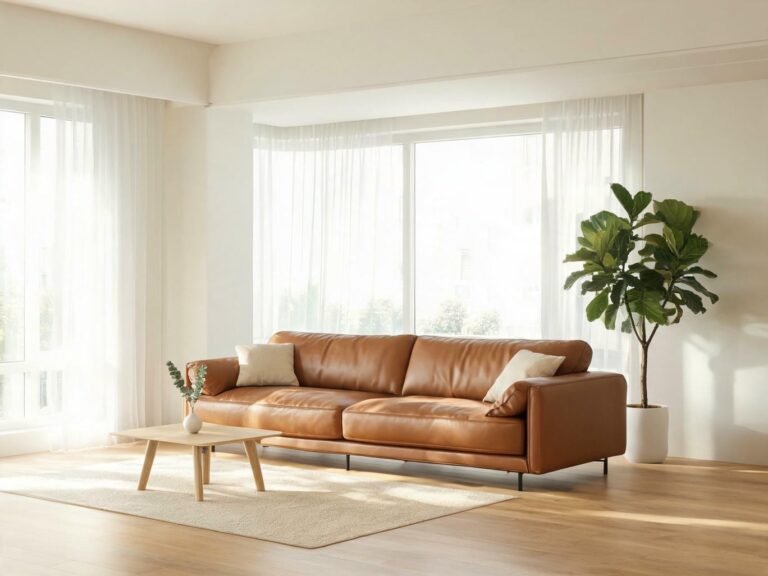
Silicone leather delivers a more natural leather-like appearance. The surface has a subtle matte-to-satin finish that does not look synthetic. It accepts embossing beautifully — lychee grain, smooth, suede-touch, and custom patterns are all achievable. For furniture manufacturers targeting mid-to-high-end markets, this visual quality is a significant selling point.

See how silicone leather performs in luxury furniture applications
Sofa Upholstery Material Comparison at a Glance
| Factor | Fabric | PU Leather | PVC Vinyl | Silicone Leather |
|---|---|---|---|---|
| Abrasion (Martindale) | 15K–25K | 30K–80K | 50K–100K | 200K+ |
| Typical Lifespan | 2–4 years | 3–5 years | 3–5 years | 10–15 years |
| Stain Resistance | Poor | Moderate | Good | Excellent |
| Chemical Cleaning | Not recommended | Risk of damage | Moderate | Bleach-safe |
| Temperature Feel | Neutral | Can get sticky | Traps heat | Comfortable |
| Visual Quality | Natural texture | Moderate sheen | Plastic appearance | Leather-like |
Request Sofa Upholstery Swatches
Frequently Asked Questions
Is silicone leather more expensive than PU leather for sofas?
Yes, the per-meter cost is typically 20–40% higher than standard PU leather. But when you factor in lifespan — 10–15 years for silicone versus 3–5 years for PU — the total cost of ownership often favors silicone. For furniture manufacturers selling into commercial or high-end residential markets, the durability premium is usually justified by reduced warranty claims and replacement costs.
Can silicone leather be used on reclining or modular sectional sofas?
Absolutely. Silicone leather maintains flexibility across extreme temperature ranges (-40°C to 250°C) and does not crack at stress points — a common failure mode for PU on reclining mechanisms and modular joints. For custom color and texture matching on modular designs, we can produce consistent batches across large orders.
How does silicone leather handle pet scratches?
Better than fabric and most PU options. The dense silicone surface resists claw penetration better than woven fabric. While no synthetic leather is completely scratch-proof, silicone leather scores well on scratch resistance tests and small surface marks can often be buffed out. This makes it a popular choice for pet-friendly furniture lines.
Making the Right Choice for Your Sofa Line
There is no single “best” sofa upholstery material for every application. Fabric works for budget residential lines where frequent replacement is acceptable. PU leather serves the mid-market segment well for short-cycle products. Vinyl has its place in institutional settings where cost is the primary driver.
But if your product line targets customers who value longevity, easy maintenance, and a premium look — whether that is high-end residential buyers, hospitality operators, or commercial furniture specifiers — silicone leather deserves serious consideration. The upfront cost difference is real, but so is the performance gap.
If you are evaluating materials for an upcoming sofa collection, we would be happy to send physical swatches and detailed test data so you can compare side by side.
About TOPSUN
TOPSUN is a silicone leather manufacturer serving furniture brands, sofa manufacturers, and interior designers worldwide. Our solvent-free coating process produces materials with 200,000+ Martindale abrasion cycles, full OEM/ODM capability, and custom color and texture matching.
Relevant standards: REACH compliant, RoHS compliant, OEKO-TEX Standard 100, FDA 21 CFR 177.2600.