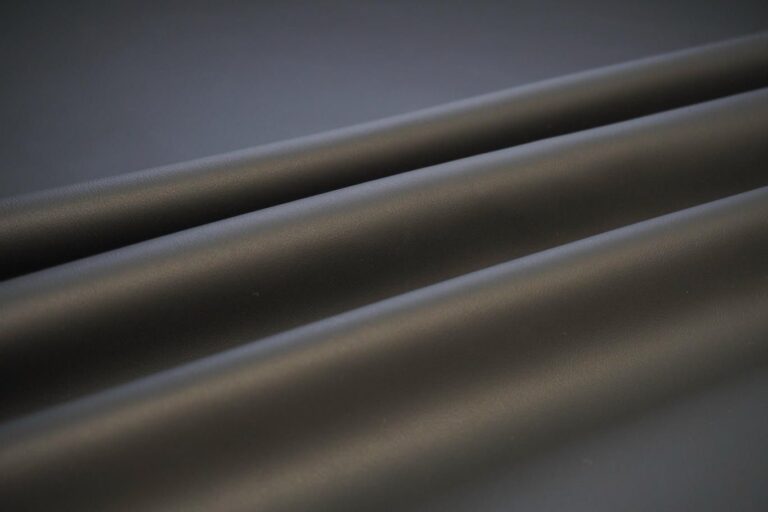
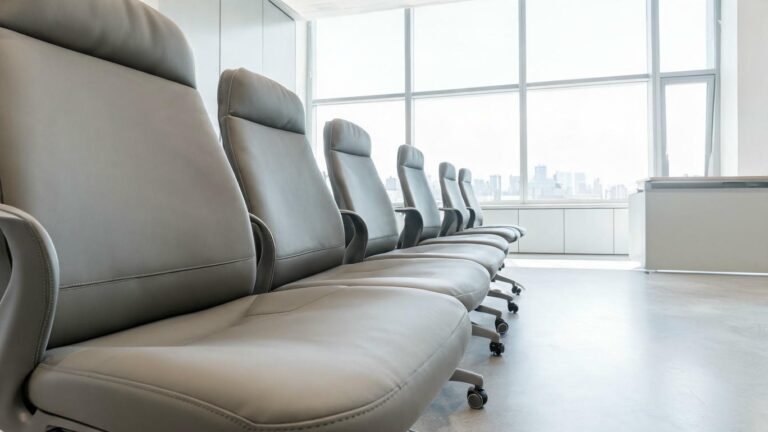
Imagine walking into a contract furniture showroom. The sofa catches your eye — leather on the seats, fabric on the backrests, a curated blend of texture and tone. Then the spec sheet arrives: PU leather rated for 30,000 Martindale cycles on seating, polyester fabric rated for 70,000 rubs on the frame. Within 18 months, the leather has cracked and the fabric still looks new. The designer’s vision has become a maintenance nightmare. A sofa with leather and fabric sounds like getting the best of both worlds. In practice, the two materials age at different speeds, clean with different protocols, and fail at different seams.
Request Free Mixed-Material Swatches
Why Mix Leather and Fabric on One Sofa?
The mixed-material trend in furniture sofa applications isn’t just aesthetic. Designers pair leather seating surfaces with fabric backrests to balance cleanability with comfort. Leather resists spills on high-contact zones. Fabric adds warmth and acoustic softness where bodies lean back. The approach has real merit — when material selection matches the wear profile of each zone.

Material selection for mixed-upholstery sofas starts with matching each zone’s wear profile to the right substrate.
The problem is that most spec sheets treat leather and fabric as equivalent cost-line items. They’re not. Leather on a seat cushion faces 40+ hours of weekly contact stress. Fabric on a backrest sees fraction of that load. Spec the same leather for both zones and you’re overpaying for the backrest. Spec PU leather for the seat and you’ll be replacing cushions while the fabric still looks pristine.
The 5 High-Wear Zones on a Mixed-Material Sofa
Not every square inch of a sofa experiences equal wear. In our furniture upholstery testing, we’ve found that five specific zones drive 80% of premature failure claims. Understanding which material belongs where is the difference between a sofa that lasts 3 years and one that lasts 10.
| Zone | Wear Level | Recommended Material | Martindale Target |
|---|---|---|---|
| Seat cushion top | Extreme | Silicone leather | 200K+ cycles |
| Armrest top | High | Silicone leather | 200K+ cycles |
| Backrest front | Moderate | Performance fabric | 50K–100K rubs |
| Back/sides (exterior) | Low | Fabric or leather | 30K+ sufficient |
| Cushion piping/welting | High (friction) | Silicone leather | 200K+ cycles |
We recommend silicone leather for seat cushions and armrests specifically because its 200,000+ Martindale rating handles the friction load that cracks PU leather within 18 months. The piping — that narrow corded edge where two materials meet — is the most overlooked failure point. It sees constant friction from clothing, belts, and bag straps. Don’t spec PU there.
Comprehensive feature overview of silicone leather in sofa applications — abrasion, stain resistance, and cleanability.
Seam Durability: Where Leather Meets Fabric
The seam where leather meets fabric is where most mixed-material sofas fail first. Different elongation at break, different thermal expansion, different moisture absorption. When the fabric backing absorbs humidity and stretches 2–3%, the leather side holds its shape — and the seam tape takes the stress. After 5,000–8,000 hours of seasonal cycling, thread starts popping.

Mixed-material sofas pair leather durability on seating surfaces with fabric comfort on backrests — but seam engineering determines longevity.
Here’s why this matters: the ASTM D5034 standard for textile seam breaking strength doesn’t account for dissimilar material pairings. Most furniture QC teams test seam strength on fabric-to-fabric or leather-to-leather — not the hybrid junction. That means your spec sheet may show passing grades while the actual mixed seam is untested.
Engineering tip: Specify a 12mm intermediate tape band of silicone-coated fabric at every leather-to-fabric junction. Silicone’s 250–300% elongation at break absorbs the differential movement, preventing seam failure. This adds roughly $3–5 per linear meter to material cost — far less than reupholstering a sofa at 18 months.
View Cleaning & Maintenance Guide
Maintenance Reality: Two Materials, Two Protocols
A mixed-material sofa requires two cleaning protocols applied to the same piece of furniture. Leather needs wipe-down with pH-neutral cleaner. Fabric needs vacuuming, spot treatment, and periodic deep cleaning. In contract settings — hotels, lobbies, assisted living — housekeeping staff rarely have time to switch protocols mid-sofa. They use one cleaner on everything. That’s when fabric gets solvent-damaged or leather gets over-wetted.
This is why we recommend silicone leather for the majority of high-wear surfaces on a leather and fabric sofa. Silicone is bleach-safe, alcohol-compatible, and cleans with water alone — meaning housekeeping can use their standard disinfectant on every surface without worrying about material damage. For the sofa material checklist you submit to facilities teams, this single-property advantage can cut cleaning labor by 40%.

Warm-tone leather swatches like these are commonly paired with earth-tone fabrics in mixed-material sofa designs.
Before You Sign: Mixed-Material Sofa Checklist
- Zone-map the sofa: Identify all 5 high-wear zones and spec materials per zone, not globally.
- Verify Martindale ratings: Seat and armrest materials must hit 200K+ cycles. Don’t accept PU leather at 30K for seating surfaces.
- Request seam test data: Ask for breaking strength tests on the actual leather-to-fabric junction, not same-material seams.
- Specify intermediate tape: Add silicone-coated fabric tape at every dissimilar-material seam. Cost: $3–5/m. Savings: one fewer reupholstery cycle.
- Align cleaning protocols: Choose materials that share compatible cleaning agents — silicone leather and solution-dyed polyester both handle bleach and alcohol.