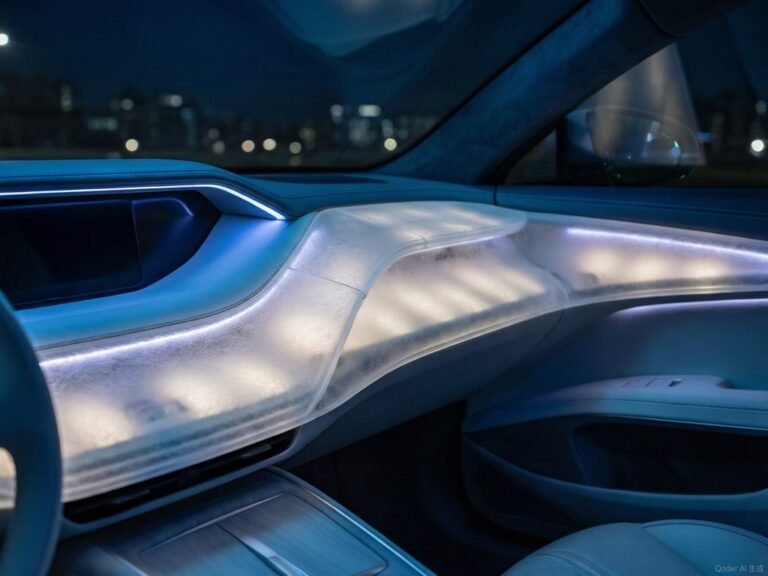
“Smart leather” sounds like something from a concept car keynote — but it’s already in production. Heated seats with integrated carbon fiber elements are standard equipment in mid-range vehicles. Seats that detect passenger presence and adjust temperature accordingly are shipping in premium models from multiple OEMs. The integration of electronics into leather and leather-alternative surfaces is one of the fastest-evolving areas in automotive interior design, and it’s beginning to spill over into furniture, healthcare, and consumer electronics.
Request Smart-Capable Material Samples
What Exactly Is “Smart” Leather?
The term covers a spectrum of capabilities. At its most basic, it refers to leather or synthetic leather with embedded conductive elements — usually for heating. At the advanced end, it encompasses materials integrated with sensors, connectivity modules, and even haptic feedback systems. Here’s the current landscape:
- Heated surfaces. Carbon fiber or conductive wire elements woven or laminated beneath the leather layer. The most mature and commercially widespread application.
- Ventilated/cooled surfaces. Perforated leather combined with active air circulation systems, often integrated with heating for dual-zone climate control.
- Occupant sensing. Pressure and temperature sensors embedded in the seat surface to detect presence, weight distribution, and body temperature — feeding data to the vehicle’s climate and safety systems.
- Haptic feedback. Vibrational elements beneath the surface that provide tactile alerts or immersive experiences in gaming and entertainment seating.
- Health monitoring. Emerging research into integrating biometric sensors (heart rate, respiration) into seat surfaces for driver fatigue detection and passenger wellness monitoring.

The Automotive Smart Cabin Is Driving Demand
The shift toward electric vehicles has accelerated smart interior development. EVs don’t have an engine generating waste heat, so cabin comfort depends entirely on active thermal management — making seat heating and cooling more important than ever. Companies like Gentex Corporation and ZF Friedrichshafen are investing heavily in integrated seat comfort systems that combine heating, ventilation, and massage into single modular platforms.
The global automotive interior market is projected to reach $13.8 billion by 2035, growing at 4.38% annually. A significant portion of this growth is in electronic-integrated surfaces rather than passive trim materials.
Why it matters for material selection: When electronics are embedded beneath the leather surface, the material must withstand elevated temperatures, repeated thermal cycling, and electrical proximity without degrading. This eliminates many standard PU and PVC materials from consideration.
Material Challenges in Smart Leather Applications
Integrating electronics into a leather surface isn’t as simple as sandwiching a heating pad between foam and covering. The material itself becomes part of the thermal and electrical system. Key challenges include:
Thermal stability. Heated seats typically operate at 35-42°C surface temperature, with the heating element itself reaching 60-80°C. The leather material must maintain its appearance and physical properties through thousands of heating-cooling cycles. PU materials can soften, discolor, or release VOCs at these temperatures over time.
Perforation quality. Ventilated and some sensor-integrated systems require precisely perforated leather. The material must perforate cleanly without fraying, and the perforation pattern must align with the underlying functional layer. Silicone leather handles this well due to its tear resistance, as demonstrated in our heated car seat leather analysis.
Thermal conductivity. The material should allow heat to pass through efficiently. Thicker or less conductive materials require higher element temperatures to achieve the same surface warmth, reducing energy efficiency — a real concern in EVs where battery range is paramount.

Beyond Automotive: Where Smart Leather Is Heading
While automotive leads adoption, other sectors are exploring similar integrations:
- Healthcare. Patient monitoring surfaces that track vital signs through pressure and temperature sensors embedded in medical-grade upholstery. The material must be biocompatible and withstand hospital-grade disinfection.
- Gaming and home theater. Haptic-enabled seating that synchronizes vibration with on-screen content. The leather must be durable enough for the vibration frequency without delaminating.
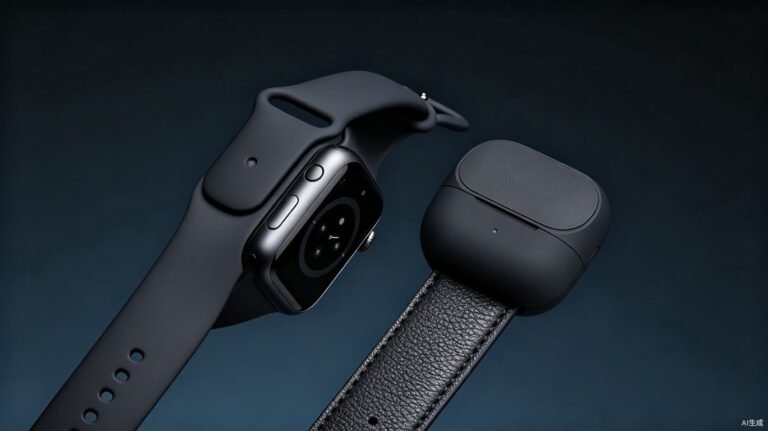
- Wearables. Our wearable tech strap material guide explores how smart wristbands integrate sensors through leather or synthetic leather surfaces.
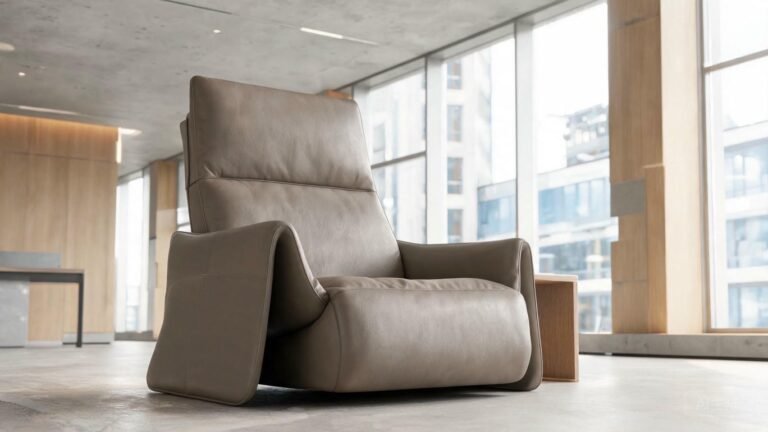
- Smart furniture. Office chairs with posture-sensing capabilities and temperature-regulating surfaces for premium commercial environments.
Why Silicone Leather Is Well-Suited for Smart Integration
In our R&D work with automotive tier-1 suppliers, we’ve tested silicone leather through thermal cycling protocols that simulate over 10 years of heated seat operation. The results consistently show no surface degradation, no VOC emission, and no loss of flexibility. Here’s why:
- Wide temperature range. Silicone maintains flexibility and appearance from -40°C to over 200°C. The thermal cycling in a heated seat application is well within its comfort zone.
- Electrical insulation. Silicone is naturally dielectric, providing a safe insulating layer between the occupant and heating elements.
- No VOC emission at temperature. Unlike PU, silicone doesn’t release plasticizers or solvents when heated — critical for enclosed vehicle cabins.
- Clean perforation. The material’s tear resistance allows precise perforation patterns without edge degradation.

Frequently Asked Questions
Can silicone leather be used with heated seat systems?
Absolutely. Silicone leather’s thermal stability and electrical insulation make it well-suited for heated seat applications. It won’t degrade, discolor, or emit VOCs at typical heating element temperatures.
Is smart leather technology compatible with all leather types?
No. The material must handle heat, electrical proximity, and often perforation without failure. Standard PVC and lower-grade PU materials may soften, crack, or release chemicals. Silicone, high-performance PU, and certain microfiber leathers are the most compatible options.
What’s the cost premium for smart leather vs. standard upholstery?
The material itself is only part of the cost. The electronics, integration labor, and testing add significantly more. The leather material premium for a smart-capable grade over a standard grade is typically 15-30%, depending on thickness and performance requirements.
The Road Ahead for Smart Surfaces
Smart leather technology is still in its early chapters. The materials that succeed will be the ones that combine thermal performance, durability, and clean aesthetics without adding excessive cost or complexity. Silicone leather’s inherent thermal and chemical stability positions it as a strong candidate as this category grows — and if you’re developing a product that integrates heating, sensing, or connectivity into the surface layer, it’s worth including in your material evaluation.
Discuss Your Smart Surface Project
About TOPSUN
TOPSUN manufactures silicone leather materials engineered for demanding applications including heated automotive seats, smart surfaces, and electronics-integrated upholstery. Our R&D team works with OEMs to develop custom material specifications for smart leather applications.
Relevant certifications: REACH, FDA, ISO 10993, EN 13773 Class 4, FAR 25.853. Wide operating temperature range (-40°C to 200°C). Certificates issued by SGS and Intertek.